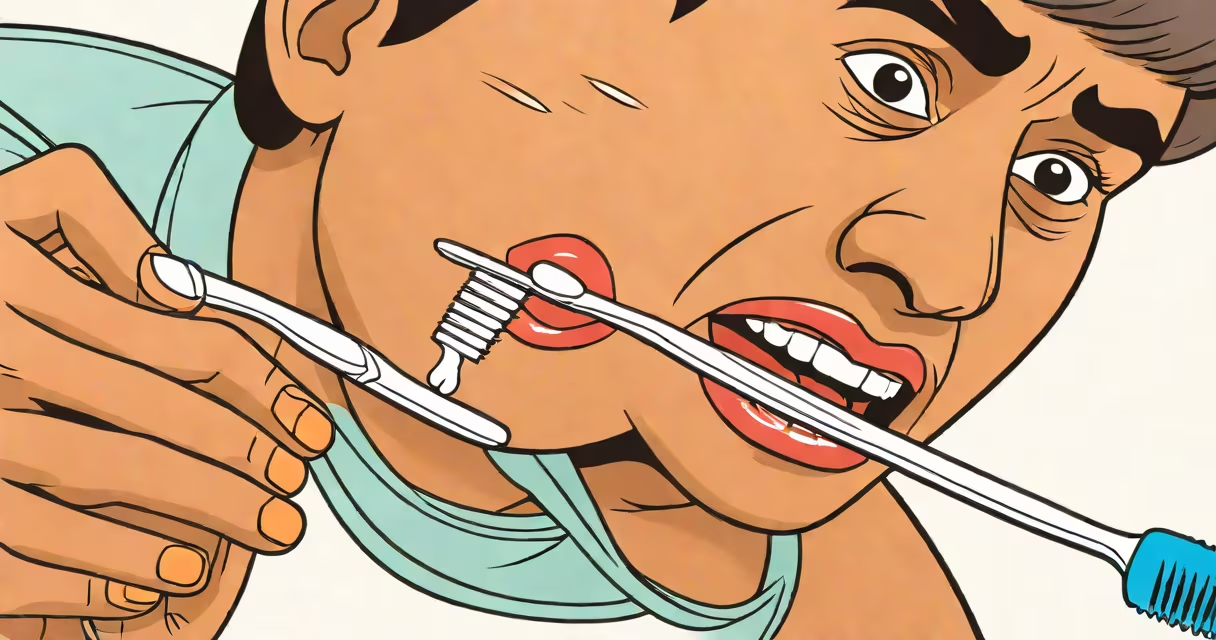
Sensitive teeth pain occurs when the dentin layer beneath the enamel is exposed, causing sharp, sudden discomfort in response to hot, cold, sweet, or acidic stimuli. Immediate actions include using desensitizing toothpaste, avoiding trigger foods, and rinsing with salt water. Persistent pain requires professional evaluation.
Tooth sensitivity arises when the protective enamel wears down or gum recession exposes the dentin. Dentin contains microscopic tubules that lead to the nerve center. When these tubules are exposed, external stimuli travel through them, triggering nerve signals interpreted as pain. This process is not psychological-it's a direct neural response to physical exposure.
For example, drinking ice water causes a jolt because the fluid moves through the dentinal tubules, stimulating nerves. The sensation is localized, often affecting one or two teeth rather than the entire mouth. It typically lasts seconds, but repeated exposure can worsen sensitivity over time.
According to the American Dental Association (ADA), nearly half of adults report experiencing tooth sensitivity at some point. The condition is not a sign of decay but a symptom of underlying structural compromise in the tooth.
Several factors contribute to enamel erosion or gum recession:
A 2021 study published in the Journal of Clinical Dentistry found that 68% of patients with sensitive teeth had a history of bruxism (teeth grinding), which contributes to enamel wear. This highlights that sensitivity isn't always diet-related-it can stem from mechanical stress.
Start with over-the-counter desensitizing toothpaste containing potassium nitrate or stannous fluoride. These ingredients block nerve signals in the dentin tubules. Use consistently for 2-4 weeks to see results. Avoid whitening toothpastes during this period-they may worsen sensitivity.
Rinse with warm salt water (1/2 teaspoon in 8 oz water) to reduce inflammation and soothe irritated gums. Limit consumption of acidic foods and beverages. If cold drinks cause pain, sip through a straw to bypass the front teeth.
Apply a small amount of clove oil to the affected area using a cotton swab. Clove oil contains eugenol, a natural analgesic. A 2019 study in the Journal of Oral Biology and Craniofacial Research confirmed its effectiveness in reducing dental pain in clinical settings.
If sensitivity persists beyond four weeks despite home treatment, consult a dentist. Chronic pain may indicate deeper issues such as cracked teeth, exposed roots, or advanced decay. A dentist can apply fluoride varnish, sealants, or perform bonding to cover exposed areas.
For severe cases, a procedure called a gingival graft may be recommended to restore lost gum tissue. In rare instances, root canal therapy is needed if the pulp is inflamed. The ADA advises against delaying care-untreated sensitivity can progress to irreversible nerve damage.
One patient I treated reported persistent pain after switching to a new toothpaste. Upon examination, we found a small cavity under a filling that was not visible on X-ray. After removal and replacement, sensitivity resolved within days. This illustrates that self-diagnosis can miss hidden causes.
Many assume sensitivity means they have a cavity. While cavities can cause pain, they usually produce constant ache rather than sharp, brief reactions. Sensitivity is not a sign of infection unless accompanied by swelling or pus.
Another myth is that brushing harder removes plaque faster. Aggressive brushing accelerates enamel loss and gum recession. The ADA recommends using a soft-bristled brush and gentle circular motions.
Some believe that mouthwash eliminates sensitivity. Alcohol-based rinses can dry out tissues and worsen symptoms. Opt for alcohol-free formulations labeled "for sensitive teeth."
| Treatment | Effectiveness | Time to relief | Best for |
|---|---|---|---|
| Desensitizing toothpaste | High (70% success rate in trials) | 2-4 weeks | Everyday triggers, mild sensitivity |
| Fluoride varnish (dentist-applied) | Very high (reduces pain in 90% of cases) | 1-3 days | Severe or persistent sensitivity |
| Saline rinse | Moderate (temporary soothing) | Immediate | Emergency relief, inflammation |
| Clove oil application | Moderate (natural analgesic) | 10-15 minutes | Short-term pain reduction |
Prevent recurrence by maintaining daily brushing with a soft brush, flossing, and limiting sugary or acidic intake. Use a night guard if you grind your teeth. Schedule biannual dental cleanings to monitor enamel health.
Understanding what to do for sensitive teeth pain begins with recognizing the difference between temporary discomfort and a warning sign. Immediate steps can ease suffering, but long-term resolution depends on identifying and addressing the root cause.