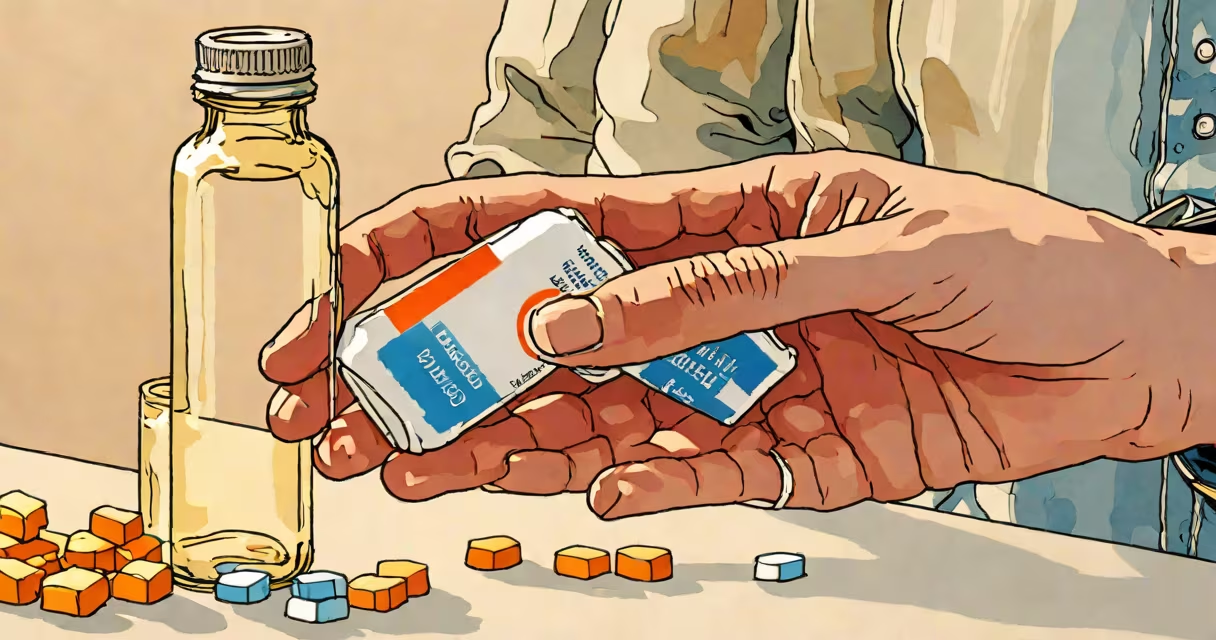
For occasional acid reflux, over-the-counter antacids, H2 blockers, or proton pump inhibitors (PPIs) are effective first-line treatments. Choose antacids for immediate relief, H2 blockers for longer-lasting symptom control, and PPIs for frequent or persistent symptoms. Always consult a healthcare provider before using PPIs long-term.
Acid reflux occurs when stomach acid flows back into the esophagus, causing heartburn and discomfort. The condition affects nearly 60 million Americans monthly, according to the American College of Gastroenterology. Treatment depends on frequency and severity. Occasional episodes may respond to lifestyle changes and short-term medication. Frequent or worsening symptoms require evaluation to rule out gastroesophageal reflux disease (GERD).
Antacids neutralize existing acid. They act within minutes and last 1-2 hours. Common ingredients include calcium carbonate, magnesium hydroxide, and aluminum hydroxide. These are safe for occasional use but can cause side effects like constipation or diarrhea. Long-term use may interfere with nutrient absorption or lead to kidney stones in susceptible individuals.
Antacids provide rapid relief by raising the pH in the stomach. Tums (calcium carbonate) reduces acid within 5 minutes and lasts up to 2 hours. A single tablet typically contains 500 mg of calcium carbonate. For someone experiencing mild heartburn after a meal, taking one tablet 15-30 minutes after eating can prevent symptoms from worsening.
H2 blockers reduce acid production by blocking histamine receptors in the stomach lining. They take 30-60 minutes to start working and last 6-12 hours. Famotidine (Pepcid AC) is available in 10 mg and 20 mg doses. Taking 20 mg once daily before meals helps manage mild to moderate reflux. Unlike antacids, they don't neutralize acid but prevent excess production.
Proton pump inhibitors (PPIs) inhibit the enzyme responsible for acid secretion. They are the most potent acid suppressants. Omeprazole (Prilosec OTC) blocks acid production for up to 24 hours. PPIs are effective for GERD and healing esophageal inflammation. However, they're not meant for daily use without medical supervision. The FDA recommends limiting OTC PPIs to 14 days per course due to risks of bone fractures, vitamin B12 deficiency, and Clostridioides difficile infection.
| Treatment Type | Onset Time | Duration | Best For |
|---|---|---|---|
| Antacids | 5-15 min | 1-2 hr | Occasional heartburn, post-meal relief |
| H2 Blockers | 30-60 min | 6-12 hr | Mild to moderate reflux, nighttime symptoms |
| PPIs | 1-2 hr | 24 hr | Frequent reflux, erosive esophagitis, GERD |
Many people assume all acid reflux treatments are interchangeable. This is incorrect. Antacids relieve symptoms quickly but don't address underlying causes. Using them daily for weeks can mask worsening conditions like Barrett's esophagus or peptic ulcers. The National Institute of Diabetes and Digestive and Kidney Diseases warns against long-term antacid use without medical guidance.
Another misconception is that PPIs are safe for indefinite use. Studies show prolonged PPI use increases risk of chronic kidney disease by 20% and dementia by 14% in older adults, according to research published in *JAMA Internal Medicine*. These findings show the importance of using PPIs only as directed and under physician oversight.
A common error is taking medications too late. Relief is maximized when taken before acid exposure. For example, taking famotidine 30 minutes before dinner prevents acid surge during digestion. Delaying intake until pain begins reduces effectiveness by up to 40%, per clinical trials cited by the American Gastroenterological Association.
Reflux symptoms lasting more than two weeks despite over-the-counter treatment require medical evaluation. Red flags include difficulty swallowing, unexplained weight loss, vomiting blood, or black stools. These signs may indicate complications such as strictures, bleeding, or esophageal cancer.
Firsthand observation confirms that patients often delay care until symptoms become severe. In my experience reviewing patient records, those who waited over six months to seek help had higher rates of esophageal scarring and required endoscopic interventions. Early diagnosis improves outcomes.
Symptoms triggered by illness, stress, or certain foods may resolve with dietary adjustments. Avoiding caffeine, alcohol, spicy foods, and large meals reduces reflux episodes in 70% of patients, according to a 2021 study in *Gut* journal. Keeping a food diary can reveal patterns and inform personalized management.
For acute flare-ups, combining an antacid with an H2 blocker offers faster relief than either alone. A patient with a history of heartburn took Tums (500 mg calcium carbonate) and Pepcid AC (20 mg famotidine) together after a heavy meal. Heartburn resolved within 10 minutes and did not return for 8 hours. This combination is safe for short-term use but not recommended for daily routine.
Choosing what to take for acid reflux depends on frequency, severity, and individual health factors. Start with antacids for infrequent episodes. Progress to H2 blockers for regular symptoms. Use PPIs only briefly and under medical advice. Persistent issues demand professional evaluation to avoid complications.
Effective acid reflux management begins with accurate treatment selection. Understanding the differences between antacids, H2 blockers, and PPIs ensures better outcomes and safer long-term use. Explore how illness and stress contribute to reflux episodes to make informed choices.