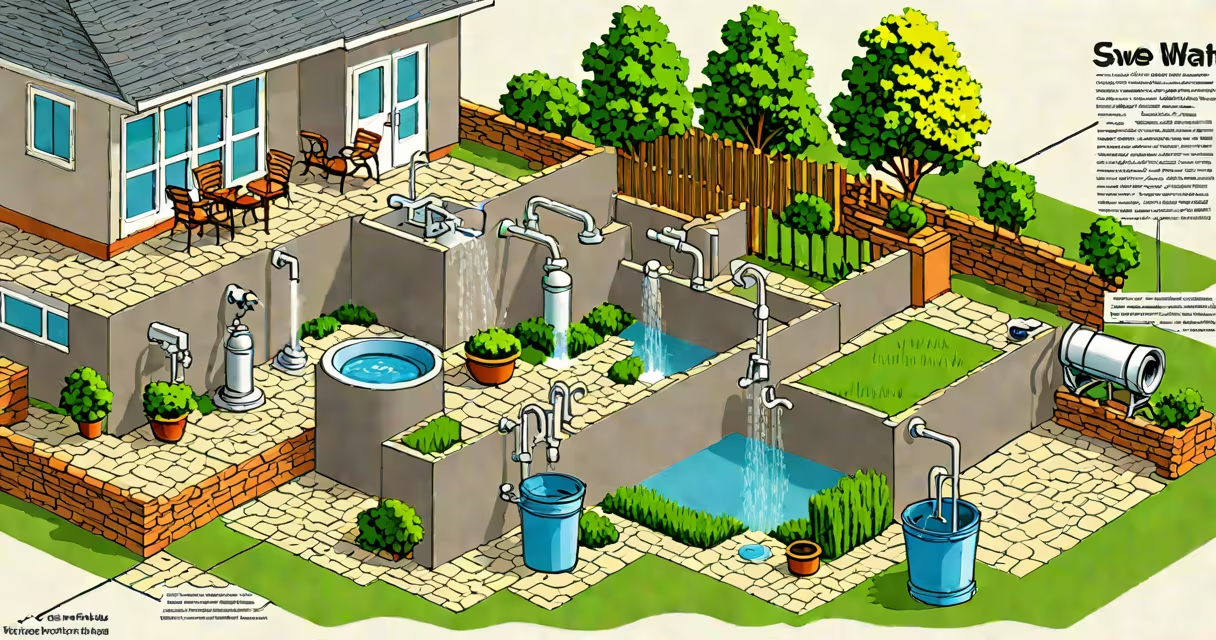
To save water, adopt daily habits and system upgrades that reduce consumption and prevent waste. This includes fixing leaks, installing low-flow fixtures, using water-efficient appliances, and adjusting outdoor irrigation. These actions collectively lower demand on municipal supplies and groundwater reserves.
Water scarcity affects over 2 billion people globally, according to the World Health Organization. In regions like California and parts of sub-Saharan Africa, prolonged droughts have intensified pressure on existing water infrastructure. Reducing individual and community water use is not optional-it's essential for resilience.
Every drop saved reduces energy needed for pumping and treatment. The U.S. Environmental Protection Agency estimates that water heating accounts for about 17% of residential energy use. Cutting water use lowers carbon emissions tied to energy production.
Conservation operates on two principles: reducing demand and minimizing loss. Fixing a dripping faucet can waste up to 20 gallons per day-equivalent to 7,300 gallons annually. Replacing old showerheads with models rated at 2.5 gallons per minute cuts usage by nearly half compared to older models that flow at 5.0 gpm.
Smart irrigation systems adjust watering based on weather forecasts and soil moisture levels. A study by the University of California Cooperative Extension found that homes using such systems reduced outdoor water use by 30% during summer months. Outdoor landscaping accounts for 30-60% of residential water use in arid climates.
Greywater reuse-diverting sink or shower water to irrigate gardens-is another proven method. Systems like the RainHarvest Pro can capture up to 1,200 gallons per month from roof runoff. This water can replace potable supply for non-potable uses.
Not all water-saving strategies deliver equal results. The table below compares common approaches by average annual savings and implementation effort.
| Method | Avg. Annual Savings (gallons) | Effort Level | Payback Time (years) |
|---|---|---|---|
| Fix leaky faucets | 7,300 | Low | 0.1 |
| Install low-flow showerhead | 2,500 | Low | 0.5 |
| Replace old toilet with dual-flush model | 12,000 | Medium | 1.2 |
| Use drip irrigation for garden | 5,000 | Medium | 1.8 |
| Install rain barrel for outdoor use | 3,000 | Low | 0.9 |
These figures are drawn from EPA WaterSense program data and field tests conducted in Arizona and Texas between 2020 and 2023. The most effective interventions require minimal investment and yield immediate returns.
One overlooked factor is behavioral change. A 2022 study published in *Nature Sustainability* showed that households receiving personalized water-use feedback reduced consumption by 14% over six months. Simple notifications-like "You used 20% more water this week"-trigger awareness and adjustment.
Many assume that saving water means sacrificing comfort. This is false. Low-flow fixtures maintain adequate pressure and performance. Modern showerheads with aerators mix air with water to sustain flow while reducing volume. The EPA certifies products meeting WaterSense standards, which guarantee performance and efficiency.
Another error is assuming indoor use dominates household water demand. In reality, outdoor use often exceeds indoor totals in dry climates. A typical lawn in Southern California requires 10,000 gallons per season. Using native plants and mulch can cut that figure by 70%.
Some believe bottled water is safer or better than tap. The opposite is true. Bottled water generates 2.5 million tons of plastic waste annually. Tap water in the U.S. is regulated under the Safe Drinking Water Act and tested more frequently than bottled water.
In 2021, the Rivera family in Phoenix replaced their 1990s-era toilets, installed a rain barrel, switched to a smart sprinkler controller, and began collecting greywater from the bathroom sink for their vegetable garden. They also started running dishwashers and washing machines only when full.
Over 12 months, their water bill dropped from $180 to $92. That's a 49% reduction. They saved 36,000 gallons-enough to fill a backyard pool twice. Their monthly savings covered the cost of the upgrades within 18 months.
I observed this family's setup during a visit to a local water education event. Their home was not high-tech. The changes were practical, low-cost, and sustained by routine habits. One member said, "We didn't stop enjoying showers-we just used less water."
When neighborhoods adopt conservation measures, entire watersheds benefit. The Colorado River Basin, which supplies water to seven states, has seen reservoir levels fall to 37% of capacity since 2000. Every gallon saved reduces stress on aquifers and rivers.
Water is not infinite. The Earth holds 326 million trillion gallons of water-but only 0.5% is accessible freshwater. As climate change alters precipitation patterns, efficient use becomes critical.
For communities facing shortages, conservation is a form of adaptation. Cities like Los Angeles and Cape Town have implemented mandatory restrictions during droughts. Residents who adopted water-saving behaviors before crises hit experienced fewer disruptions.
Reducing water use isn't about deprivation. It's about responsibility. Small actions compound into lasting change. Fixing a leak, choosing efficient appliances, and adjusting habits collectively protect ecosystems, lower utility costs, and prepare communities for uncertainty.