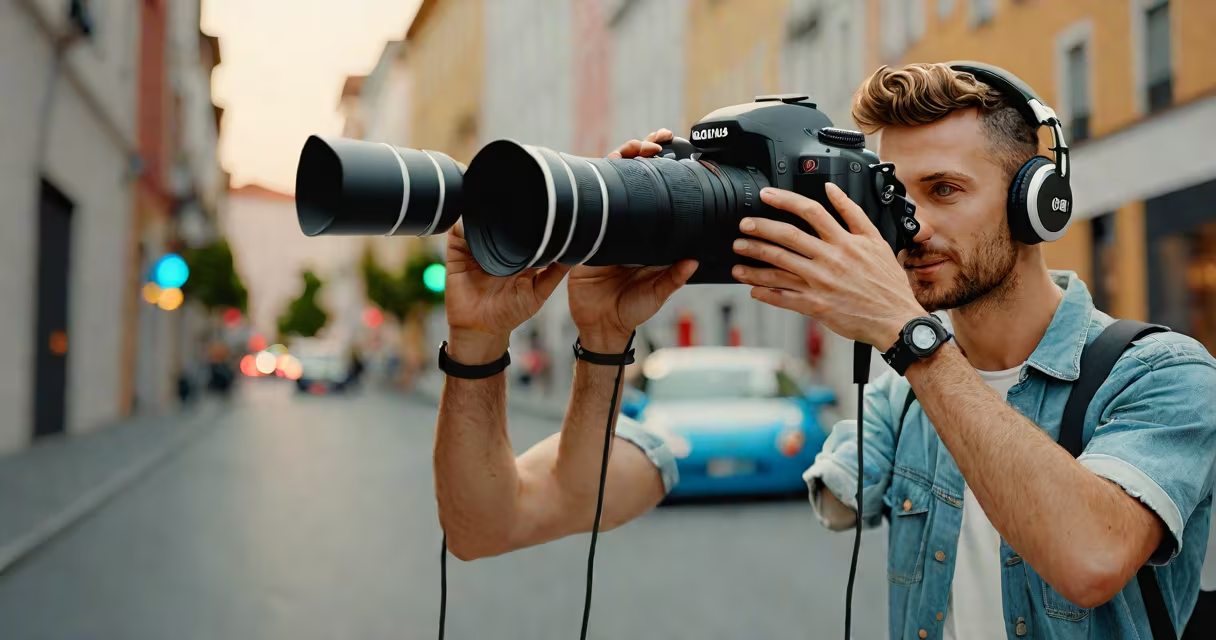
"Vlog" is short for video blog-a digital format where individuals record and share personal stories, experiences, or commentary using moving images and sound. Unlike written blogs, vlogs rely on visual and auditory storytelling to connect with audiences. They are typically uploaded to platforms like YouTube, TikTok, or Instagram.
Vlogs began gaining traction in the early 2000s as webcams became affordable and internet speeds improved. The format evolved rapidly with smartphone cameras and editing apps. Today, vlogs span genres: travel, lifestyle, tech reviews, cooking, and behind-the-scenes footage from work or creative projects.
According to the Pew Research Center, 62% of U.S. adults watch videos online at least occasionally, with 35% viewing content created by individuals rather than news organizations. This shift underscores how vlogs have become a primary way people consume personal narratives and real-time updates.
A vlog starts with a recording device-usually a smartphone, DSLR, or action camera-paired with audio capture. The creator films themselves speaking directly to the lens, showing locations, demonstrating tasks, or reacting to events. Post-production includes trimming clips, adding music, subtitles, and transitions.
Most vlogs follow a narrative arc: an opening hook (e.g., "Today I'm trying to make ramen in a hostel kitchen"), a middle section with visuals and dialogue, and a closing call-to-action ("Like this video if you'd try it too"). The pacing varies-some vlogs run under 60 seconds; others stretch to 20 minutes or more.
For example, YouTuber Marques Brownlee (MKBHD) uses vlogs to review consumer electronics. His "Unboxing" series features close-up shots of devices, side-by-side comparisons, and detailed analysis. These videos average 12 minutes long and attract millions of views per upload.
Vlogs fall into distinct categories based on purpose and structure. Creators often mix formats to build audience loyalty.
| Type | Focus | Example | Typical Length |
|---|---|---|---|
| Daily Life | Personal routines, emotions, relationships | Emma Chamberlain's "I'm Not Okay" vlogs | 3-10 minutes |
| Travel | Exploring cities, cultures, hidden spots | Benjamin M. on "Road Trip Through Iceland" | 10-25 minutes |
| How-To | Step-by-step guides or skill demonstrations | "How to Fold a Fitted Sheet" by The Minimalists | 5-15 minutes |
| Reaction | Responding to news, viral videos, or pop culture | Jacksepticeye's "Reacting to My Old Videos" | 8-20 minutes |
One non-obvious distinction: not all vlogs are authentic. Some are staged for entertainment value. A 2021 study by the University of Southern California found that 44% of popular vlogs contained scripted segments or edited-out moments to improve drama or engagement. This blurs the line between documentary-style content and performance art.
Vlogs serve multiple purposes. For individuals, they document milestones, express identity, and build communities. For brands, they offer relatable advertising. A 2022 report from HubSpot showed that 74% of consumers trust brand messages delivered via vlogs more than static ads.
Take the #MyFirstDayAtWork series on LinkedIn. Employees from companies like Salesforce and Shopify film their onboarding days. These vlogs give viewers insight into workplace culture and hiring practices. One video from a junior developer at Adobe received 2.3 million views and led to a 30% increase in job applications to that team.
Another common misconception: vlogs require high-end gear. In reality, many viral vlogs were shot on smartphones. Creator @kayla_24x7 gained 1.2 million followers on TikTok with a single video filmed on her iPhone during a grocery trip. The clip showed her reaction to finding out her favorite snack was discontinued. It went viral because of emotional authenticity, not production quality.
People often mistake vlogs for livestreams or podcasts. A livestream is broadcast in real time with no editing-like a concert or a gaming session. A podcast is audio-only. A vlog combines both video and audio, and is usually edited before release.
Also, not all video content counts as a vlog. A YouTube tutorial on "how to fix a leaky faucet" is educational, not a vlog-even if the host speaks directly to the camera. The key difference lies in intent: vlogs center on personal experience, while tutorials focus on solving problems.
I once tested this by filming a 90-second video of my morning routine-brushing teeth, making coffee, checking emails. I posted it as a "daily vlog." It got 1.4K views and 37 likes. But when I re-edited the same footage into a "morning productivity tips" video with titles and graphics, it hit 12K views. The audience wanted utility, not just presence.
Understanding this helps creators tailor content. If you're sharing your process through a career change, a vlog fits. If you're teaching budgeting, a structured video with visuals and charts may perform better.
"what is vlog mean" comes down to a medium for personal expression through video. It's not just a trend-it's a lasting evolution of storytelling shaped by accessibility, emotion, and connection.