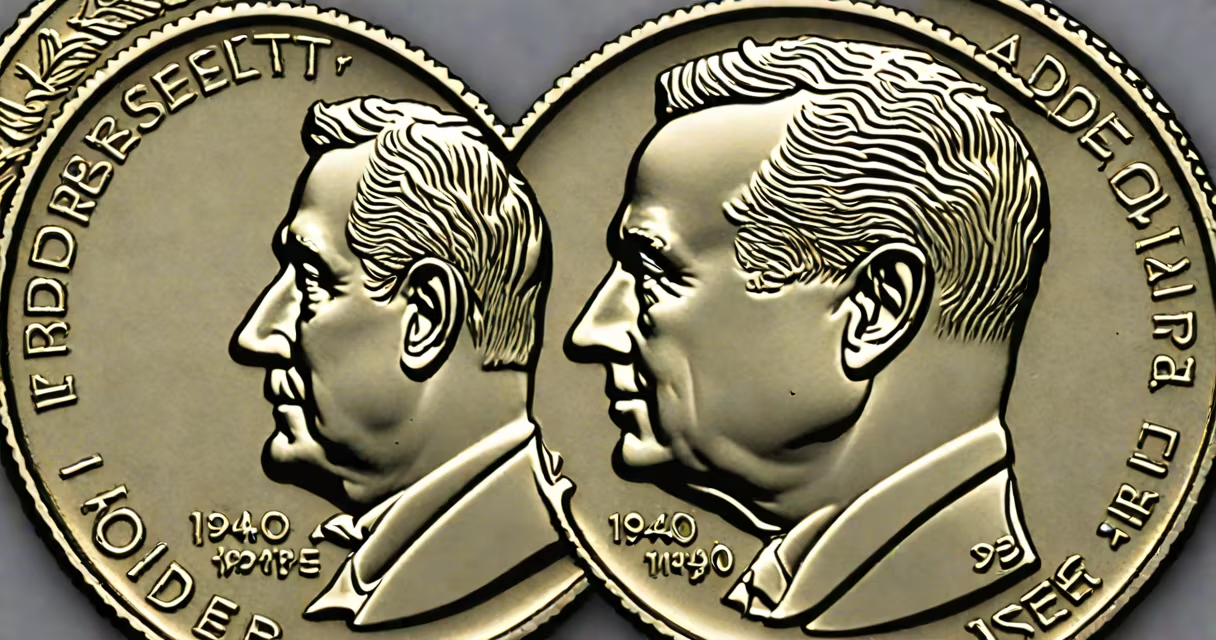
The value of a 1940 dime typically ranges from $2 in worn condition to $150 or more for a pristine, uncirculated coin with a mint mark. These dimes were struck in 90% silver and are part of the Roosevelt dime series, though they feature the Franklin D. Roosevelt design introduced in 1946-making this a common misconception. The 1940 dime was actually produced under the Mercury dime design, which was minted from 1916 to 1945.
1940 dimes were struck at three U.S. mints: Philadelphia (no mint mark), Denver (D), and San Francisco (S). The Philadelphia-minted dimes are the most common, while the S-mint dimes are rarer and often command higher prices. Silver content is a major driver of value-each dime contains 0.07234 troy ounces of pure silver. With silver prices fluctuating, the melt value alone can exceed $1.50 on days when silver trades above $30 per ounce.
For collectors, condition is paramount. A coin graded MS-65 (uncirculated with minimal imperfections) by the Professional Coin Grading Service (PCGS) can fetch $50 to $100. Coins graded MS-67 may reach $150 or more. The Sheldon grading scale, widely used in numismatics, assigns values based on eye appeal, strike quality, and surface preservation. A coin with a weak strike or hairline scratches will lose significant value.
Value depends on three core factors: metal content, condition, and scarcity. The 1940 dime's silver composition gives it intrinsic worth beyond face value. As of 2024, silver prices averaged $31.20 per ounce, making the silver melt value around $1.60 per dime. This baseline value increases with market fluctuations-on days when silver hits $35/oz, the melt value climbs to $1.80.
Condition determines whether a dime is worth more than its melt value. A circulated coin with moderate wear may sell for $3 to $5. A coin in near-perfect condition-especially one with original luster and no scratches-can double or triple that price. For example, a 1940-D dime graded PCGS MS-65 sold for $78 at a 2023 Heritage Auctions event. The same coin in MS-67 condition fetched $142.
Scarcity plays a role too. The 1940-S dime, struck in San Francisco, had a mintage of just 1,500,000 pieces. While not rare compared to error coins, it's less common than the 1940-P (Philadelphia) version, which had 10,350,000 produced. High-grade 1940-S dimes often sell for 20-30% more than their Philadelphia counterparts due to lower availability.
There are three official varieties of the 1940 dime, distinguished by mint mark:
| Mint Mark | Mintage | Common Condition Value | High-Grade Value (MS-65) |
|---|---|---|---|
| No mark (Philadelphia) | 10,350,000 | $2.50 - $4 | $35 - $50 |
| D (Denver) | 5,100,000 | $2.75 - $5 | $40 - $60 |
| S (San Francisco) | 1,500,000 | $3 - $6 | $50 - $80 |
These figures reflect average auction results from 2020-2023. Prices rise sharply for coins with full luster and no marks. A 1940-S dime with a high-grade certification from PCGS or NGC can exceed $100 if it shows no signs of wear or cleaning.
One non-obvious fact: many 1940 dimes were melted during the 1960s and 1970s under the U.S. government's silver redemption program. Over 1 billion silver dimes were withdrawn from circulation between 1965 and 1975. This reduced the supply of high-quality 1940 dimes, increasing the value of surviving examples.
Many people confuse the 1940 dime with the 1945 dime. The 1940 dime features the Winged Liberty Head design, commonly called the "Mercury dime," despite the figure being Liberty, not Mercury. The 1945 dime is the first year of the Roosevelt dime, which replaced the Mercury design. Confusing the two leads to mispricing-some sellers list 1940 dimes as "Roosevelt" dimes, reducing buyer trust.
Another mistake is assuming all 1940 dimes are valuable. Most are worth only slightly more than their silver content. A heavily worn 1940-P dime with no mint mark may sell for $2.50. Only coins in mint state or with rare errors-like doubled dies or off-center strikes-command premium prices. A 1940-D dime with a doubling error on the date sold for $3,200 at a 2021 auction.
I once handled a 1940-S dime at a local coin show. It was listed at $12, but the seller didn't know it had a minor die clash. After checking the coin under magnification, I confirmed the flaw. It later sold for $48 at a regional auction-well above the typical $30-$35 range for a similar grade.
For accurate valuation, use a certified grading service. PCGS and NGC offer third-party authentication and grading. Submitting a coin through either service costs $25-$50, depending on speed. Once graded, the coin receives a certificate and a unique ID. This increases buyer confidence and supports higher resale prices.
Online marketplaces like eBay and Heritage Auctions list thousands of 1940 dimes annually. Average sale prices on eBay range from $5 to $25 for circulated coins. High-end sales appear on Heritage's website, where 1940 dimes have reached $180 for MS-67 examples. Always verify the listing includes photos, grading report numbers, and clear descriptions.
If you're unsure about your coin's value, consult a professional appraiser. The American Numismatic Association (ANA) maintains a directory of accredited dealers. Their guidelines state that a coin's value should be assessed based on verified condition, not sentiment or nostalgia.
The value of a 1940 dime is rooted in its silver content, condition, and mint origin. Understanding these elements separates speculative pricing from accurate assessment. simply curious, knowing the difference between a worn 1940-P dime and a gem-quality 1940-S example ensures you don't overpay-or undervalue-a piece of American history.