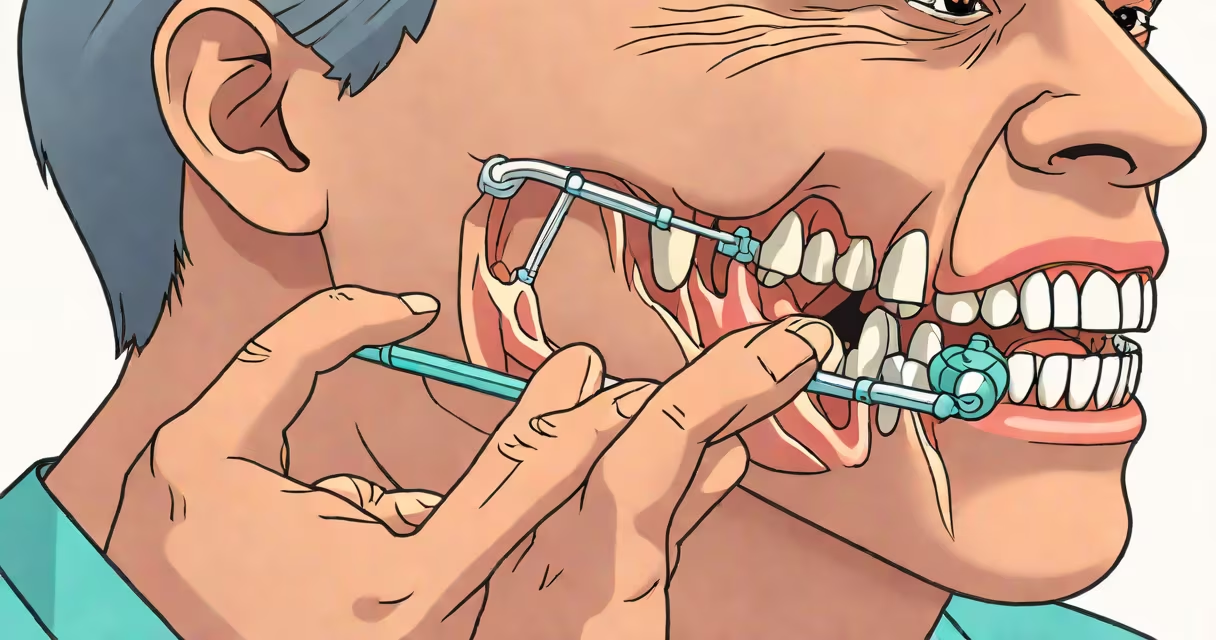
Lockjaw, medically known as trismus, is a condition characterized by involuntary contraction of the jaw muscles that prevents the mouth from opening fully. It results from nerve irritation or muscle spasm, most commonly due to tetanus infection caused by Clostridium tetani bacteria.
Trismus occurs when the masseter, temporalis, and other facial muscles tighten uncontrollably. This can make eating, speaking, and oral hygiene difficult. While often associated with tetanus, lockjaw can also stem from trauma, infection, or complications following dental surgery.
The term "lockjaw" is widely used in popular culture to describe tetanus, but it is not exclusive to that disease. Any condition disrupting motor control in the jaw area may cause similar symptoms. The core issue is sustained muscle contraction, not the jaw itself being physically locked.
When Clostridium tetani enters the body through a wound-especially a deep puncture like from a nail or rusty tool-it produces a potent neurotoxin called tetanospasmin. This toxin travels along peripheral nerves to the spinal cord and brainstem, where it interferes with neurotransmitter release.
Specifically, tetanospasmin blocks the release of inhibitory neurotransmitters such as glycine and GABA. Without inhibition, motor neurons fire continuously, causing uncontrolled muscle contractions. The jaw muscles are among the first affected because they have high neuromuscular sensitivity.
A 2021 study published in *The Lancet Infectious Diseases* found that untreated tetanus has a mortality rate of 10-20% in adults, rising to over 50% in children under five. Early recognition of jaw stiffness is critical for survival.
Not all cases of lockjaw stem from tetanus. The condition falls into several categories based on origin:
| Type | Common Cause | Onset Pattern | Key Differentiator |
|---|---|---|---|
| Tetanus-related | Clostridium tetani infection via contaminated wound | Gradual onset over 3-21 days | Progressive muscle rigidity, opisthotonus (arching of the back) |
| Dental/post-surgical | Wisdom tooth extraction, root canal, or jaw surgery | Within hours to days after procedure | Localized pain and swelling; resolves in 1-2 weeks |
| Oncologic | Oral or head/neck cancer affecting jaw muscles or nerves | Slow progression over weeks | May include weight loss, facial numbness, or difficulty swallowing |
| Infectious | Pericoronitis (infection around wisdom teeth), abscesses | Acute onset with fever and swelling | Often accompanied by pus discharge and localized tenderness |
One non-obvious distinction: tetanus-induced trismus typically begins with jaw stiffness, while dental-related trismus often presents with pain during chewing or opening the mouth.
Tetanus remains a global health concern, especially in low-income countries with limited access to vaccination. According to the World Health Organization (WHO), approximately 200,000 tetanus cases occur annually worldwide, with 50,000 deaths. Most cases happen in regions where childhood immunization coverage is below 80%.
Even in high-income nations, rare cases still emerge. A 2022 report from the CDC documented six confirmed tetanus cases in the U.S. between 2018 and 2021-mostly in adults over 60 who had not received a tetanus booster in over 10 years.
Non-tetanus trismus is more common. A 2019 study in the *Journal of Oral and Maxillofacial Surgery* found that 30% of patients undergoing third molar removal developed temporary trismus, with most recovering within 72 hours.
Many people assume lockjaw only happens from rusted nails. While a dirty wound increases risk, the actual danger comes from anaerobic conditions-low oxygen environments-where Clostridium tetani thrives. A clean surgical incision in a deep tissue pocket can also trigger infection.
Another misconception is that lockjaw always leads to death. With timely medical care, including antitoxins, antibiotics, and supportive therapy, survival rates exceed 90% in treated cases. Recovery can take weeks to months due to prolonged muscle spasms.
Some confuse trismus with temporomandibular joint (TMJ) disorder. TMJ issues involve joint dysfunction and may cause clicking or pain, but they do not produce generalized muscle rigidity or autonomic symptoms like sweating or hypertension seen in tetanus.
In 2020, a 54-year-old farmer in rural Kenya stepped on a nail while working barefoot. He cleaned the wound with ash and left it open. Five days later, he developed jaw stiffness, difficulty swallowing, and muscle spasms during loud noises.
He was brought to a clinic two days after symptoms began. Doctors diagnosed tetanus based on clinical signs and history. They administered human tetanus immune globulin (TIG), metronidazole, and benzodiazepines to control spasms. After 14 days of intensive care, he regained full jaw function and was discharged.
This case highlights that even minor injuries can lead to tetanus if the wound is deep and contaminated. The WHO recommends tetanus toxoid vaccination every 10 years, regardless of injury type.
If you suspect lockjaw, seek immediate medical evaluation. For tetanus, treatment includes antitoxins to neutralize circulating toxin, antibiotics to kill remaining bacteria, and sedatives to reduce muscle spasms. Wound debridement is essential to remove necrotic tissue.
For non-tetanus trismus, management varies. Post-dental surgery cases often improve with warm compresses, gentle jaw exercises, and anti-inflammatory medication. Infections require drainage and antibiotics. Cancer-related trismus may need radiation or physical therapy.
Prevention is key. Routine tetanus vaccination, especially after injury, stops 95% of cases. The CDC advises a booster every 10 years, or sooner after a dirty wound.