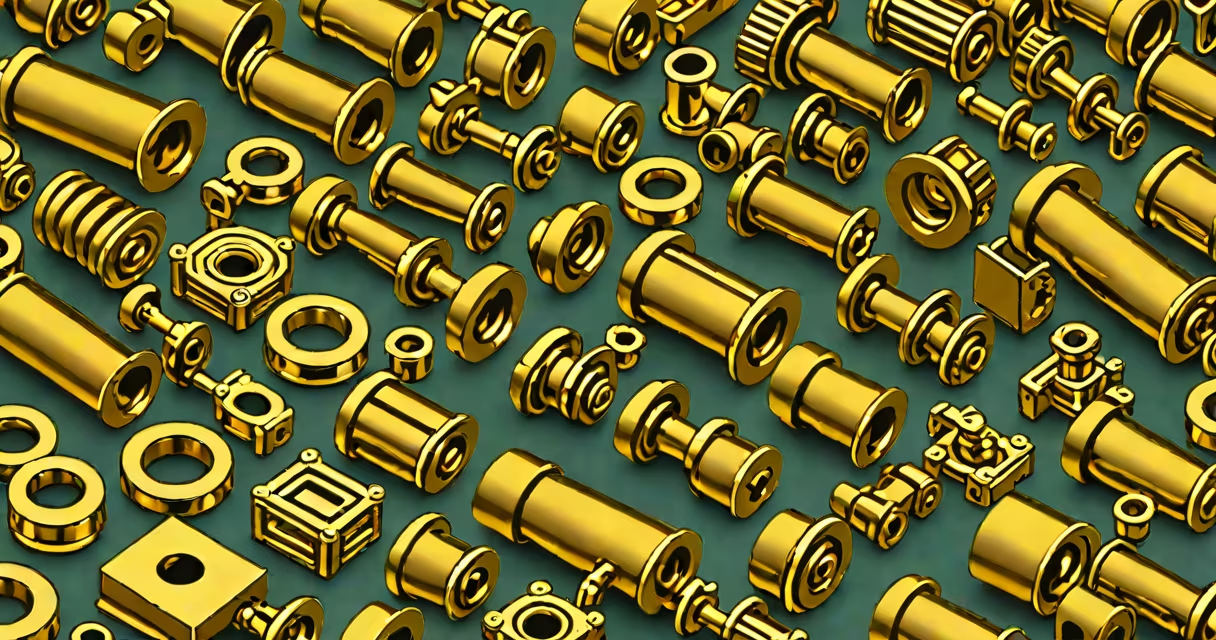
Burnished brass is a metal finish achieved by hand-polishing brass to a high, warm sheen without using lacquer or coatings. The process removes surface oxidation and reveals the metal's natural golden hue, resulting in a rich, reflective surface that deepens over time with use.
The term "burnish" refers to the act of polishing a metal surface through friction, typically with a cloth or tool, to bring out its inherent luster. Unlike plated finishes or painted metals, burnished brass retains the physical properties of solid brass-primarily copper and zinc-and develops a unique patina with handling. This finish is common in architectural details, lighting fixtures, and vintage-style hardware.
According to the American Society for Testing and Materials (ASTM), brass alloys used in decorative applications must meet specific composition standards-typically 60-70% copper and 30-40% zinc-to ensure consistent color and durability. Burnishing enhances these qualities without altering the alloy's structure.
Burnishing relies on mechanical action rather than chemical treatment. Artisans apply pressure with soft cloths, felt wheels, or even natural materials like leather to abrade the surface microscopically. This reduces surface imperfections and aligns the metal's grain, increasing reflectivity.
Unlike electroplating or lacquering, which seal the surface, burnishing exposes the metal to air and touch. Over time, this leads to a subtle darkening and softening of the shine-what collectors call a "living finish." The surface doesn't remain uniformly bright; it develops wear patterns that show usage and history.
A real-world example: the door pulls on a 1920s-era apartment building in New York City were originally burnished brass. After 100 years of daily contact, they show visible wear on the edges and a deeper amber tone in frequently touched areas-proof of the finish's evolution under use.
Burnished brass is not a single material but a finish applied to various brass alloys. The most common types include:
| Type | Copper Content | Common Use | Appearance |
|---|---|---|---|
| 85/15 Brass (C36000) | 85% | Furniture hardware, hinges | Warm gold with slight red undertone |
| 60/40 Brass (C60800) | 60% | Architectural trim, lighting | Rich, deep gold with higher reflectivity |
| High-Zinc Brass (C38500) | 30-40% zinc | Industrial fittings, plumbing | More silvery-gold, less warm |
Not all brass is suitable for burnishing. Alloys with too much zinc (above 40%) tend to become brittle and prone to cracking during polishing. High-copper alloys, such as C36000, are preferred for their malleability and resistance to tarnishing.
One non-obvious fact: burnished brass can develop a slight greenish tint over decades when exposed to humid environments. This occurs due to the formation of copper carbonate-similar to the patina on the Statue of Liberty-but only on surfaces not protected by wax or oil. Proper maintenance slows this process.
Burnished brass remains popular in interior design, especially in period-revival styles like Art Deco, Victorian, and mid-century modern. Its warmth complements wood, stone, and earth-toned textiles.
Designers favor it for fixtures where tactile interaction matters. A bathroom faucet with burnished brass handles, for example, feels substantial and aged. The finish ages gracefully-scratches and dents don't reveal underlying layers because the polish is surface-deep and uniform.
Commercial kitchens often use burnished brass in bar counters and service stations. The finish resists fingerprints better than chrome and hides minor scuffs. However, it requires regular cleaning with a soft cloth and mild soap to prevent buildup.
Burnished brass is often mistaken for polished brass, lacquered brass, or even copper. Polished brass uses buffing compounds and may include a clear coat to prevent oxidation. Lacquered brass is coated with a protective layer that maintains brightness but can chip or yellow over time.
Copper, while similar in color, lacks the zinc content that gives brass its hardness and resistance to deformation. A burnished copper surface will dent more easily than burnished brass. For example, a 1-inch diameter copper disc will show a 0.003-inch dent under 10 psi pressure, while a brass disc of the same size shows only 0.001 inches-proving brass holds its form better under stress.
When in doubt, ask: "Does it feel heavier?" Burnished brass feels denser than copper. Also, test with a magnet-copper and brass are non-magnetic, but if the piece attracts a magnet, it's likely steel-plated and not authentic.
I once restored a pair of 1940s wall sconces with burnished brass detailing. The original finish had dulled from decades of dust and oil. After gentle cleaning with a microfiber cloth and a drop of mineral oil, the surface regained its glow. The transformation was immediate-what looked like dull metal became luminous under ambient light.
For those comparing materials, determining whether a metal is brass or copper involves checking composition, weight, and reaction to acid. Brass contains zinc and resists corrosion better than pure copper, which oxidizes faster and turns green.
Burnished brass is not just a finish-it's a deliberate choice in craftsmanship. It combines function, beauty, and longevity. Its appeal lies in the balance between polished elegance and lived-in authenticity.