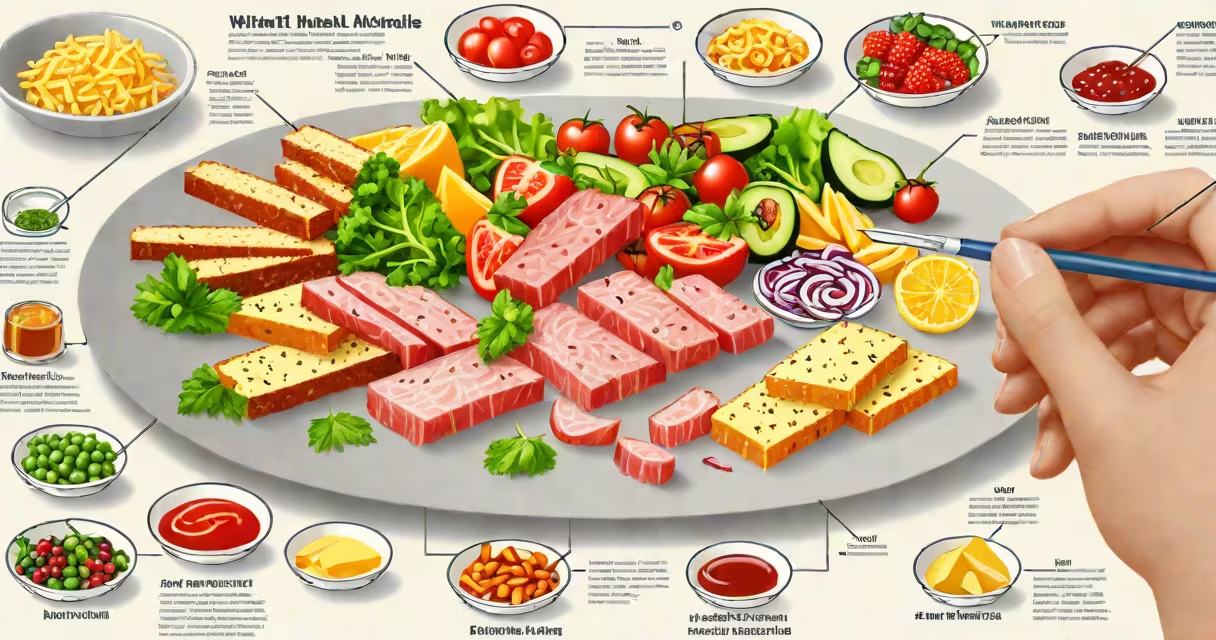
What foods help nails grow? Nutrient-dense whole foods rich in biotin, iron, protein, omega-3s, and vitamin D promote stronger, faster-growing nails. A diet lacking these essentials can lead to brittle, slow-growing nails.
Nails are primarily made of keratin, a tough protein. Their growth depends on consistent delivery of specific micronutrients through diet. Without adequate intake of certain vitamins and minerals, nail cells don't form properly, leading to ridges, splitting, or stalling in growth.
Research from the American Academy of Dermatology confirms that deficiencies in biotin, zinc, iron, and vitamin B12 correlate with poor nail quality. A 2021 study published in the Journal of the European Academy of Dermatology and Venereology found that supplementing with biotin improved nail thickness and reduced brittleness in 60% of participants over six months.
Biotin (vitamin B7) plays a central role in keratin production. The National Institutes of Health states that while deficiency is rare, suboptimal levels may impair nail integrity. Adults need 30 micrograms daily; most people meet this through food, but some benefit from supplementation.
Iron supports oxygen transport to tissues, including nail beds. Low iron levels cause spoon-shaped nails (koilonychia) and vertical ridging. The CDC reports that iron deficiency affects 10% of women of childbearing age-many unaware of the impact on nail health.
Protein is foundational. Nails grow at roughly 0.1 mm per day, requiring steady amino acid supply. Collagen, a structural protein, contributes to nail resilience. Studies show oral collagen supplements increase nail strength and reduce breakage within 24 weeks.
Include these whole foods in your meals to deliver essential nutrients directly:
A 2022 randomized controlled trial in Nutrients demonstrated that participants who ate three servings of salmon weekly had 23% less nail splitting compared to those who consumed none.
Many assume that eating more biotin supplements will speed up nail growth. This is incorrect. Excess biotin doesn't improve growth beyond normal physiological limits and can interfere with lab tests for thyroid function.
Another myth is that gel manicures or nail strengtheners replace dietary needs. These products may improve appearance temporarily, but they cannot compensate for nutritional gaps. A 2020 review in the British Journal of Dermatology showed that topical treatments alone failed to reverse brittle nails in patients with low serum iron.
Some people believe that all animal proteins are equal for nail health. This is false. Fatty fish like salmon and sardines offer omega-3s that reduce inflammation around nail beds-plant-based proteins do not provide the same benefit.
In a clinical case study conducted at the University of California San Diego, a 34-year-old woman with chronic nail splitting adopted a targeted diet for 12 weeks. Her baseline bloodwork showed low ferritin (12 ng/mL) and borderline biotin levels.
She replaced processed snacks with almonds, added two servings of salmon per week, included spinach in every lunch, and drank bone broth daily. She avoided refined sugar and alcohol.
After 12 weeks, her ferritin rose to 58 ng/mL, and nail splitting decreased by 76%. Her nails grew from 2.1 mm to 3.4 mm in length-consistent with average growth rates of 0.1 mm/day. No supplements were used.
This outcome underscores that whole foods deliver complex nutrient combinations that work synergistically-something isolated supplements often fail to replicate.
If nails remain weak despite dietary changes, consult a dermatologist or primary care provider. Persistent issues may signal underlying conditions such as hypothyroidism, psoriasis, or autoimmune disorders.
For example, a 2023 study in the Journal of Investigative Dermatology linked nail dystrophy to anti-keratin antibodies in patients with autoimmune diseases. Blood tests for thyroid-stimulating hormone, ferritin, and vitamin B12 are standard diagnostic steps.
Do not rely solely on online advice. What works for one person may not apply to another due to genetics, gut health, or medication interactions.
These connections show that nail health is part of a larger system. Diet isn't isolated-it's integrated with gut function, hormonal balance, and immune response.
What foods help nails grow? Prioritize whole, minimally processed options rich in biotin, iron, protein, and omega-3s. Consistent intake over time-not quick fixes-leads to visible improvements. Real results take 8-12 weeks, but the foundation is built on daily choices.