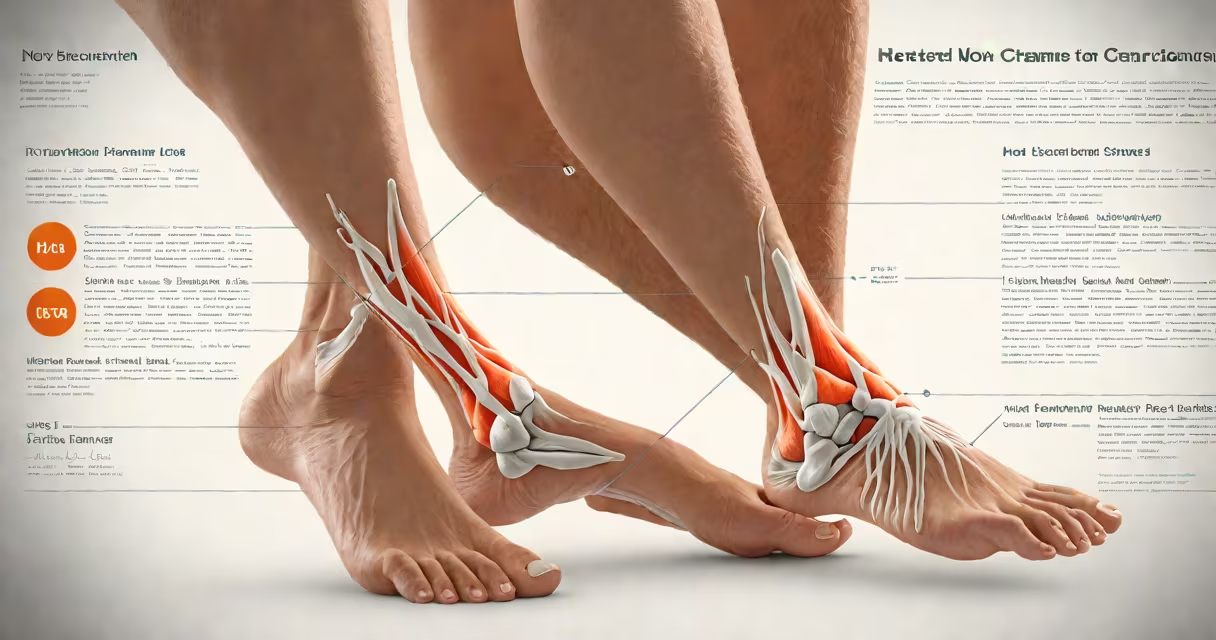
Low potassium muscle cramps result from hypokalemia-blood potassium levels below 3.5 mmol/L-disrupting neuromuscular signaling, leading to involuntary muscle contractions. These cramps often affect legs, feet, and hands, especially during rest or activity.
Potassium regulates electrical impulses in nerves and muscles. When levels fall, cells lose their ability to repolarize properly after firing, causing sustained muscle contraction. The American Heart Association notes that serum potassium below 3.5 mmol/L increases risk of arrhythmias and muscle dysfunction, including cramping.
Cramps due to low potassium typically occur in the calves, feet, or thighs. They may last seconds to minutes, feel sharp or tight, and recur during physical exertion or sleep. Unlike exercise-induced cramps, those from hypokalemia often persist despite stretching and hydration.
Normal resting membrane potential in muscle cells depends on a high intracellular potassium concentration. When potassium drops, the cell becomes hyperexcitable-neurons fire too easily, and muscles contract uncontrollably. This occurs because potassium efflux normally stabilizes the membrane; reduced potassium impairs this balance.
The kidneys regulate potassium excretion. Conditions like diuretic use, chronic kidney disease, or adrenal disorders (e.g., primary aldosteronism) increase urinary potassium loss. A 2022 study in *The Journal of Clinical Endocrinology & Metabolism* found that 18% of patients with recurrent leg cramps had subclinical hypokalemia, even within the "normal" lab range.
Some medications contribute. Loop diuretics (furosemide), thiazides, and certain antihypertensives promote potassium excretion. A patient taking furosemide for hypertension developed nocturnal calf cramps; serum potassium dropped to 3.1 mmol/L-below the threshold for safe neuromuscular function.
Low potassium muscle cramps fall into two categories: acute and chronic. Acute cases stem from sudden losses-such as vomiting, diarrhea, or excessive sweating. Chronic cases arise from ongoing conditions like kidney disease, hormonal imbalances, or poor dietary intake.
| Type | Common Causes | Typical Potassium Levels | Onset |
|---|---|---|---|
| Acute | Vomiting, diarrhea, heavy sweating, diuretics | Below 3.0 mmol/L | Hours to days |
| Chronic | CKD, primary aldosteronism, malnutrition, laxative abuse | 3.0-3.5 mmol/L | Weeks to months |
One non-obvious factor: alcohol consumption. Ethanol suppresses aldosterone, increasing renal potassium excretion. A 2021 study in *Alcoholism: Clinical and Experimental Research* showed that men consuming >3 drinks/day had a 2.6-fold higher risk of hypokalemia-related cramps compared to abstainers.
Cramps from low potassium differ from those caused by dehydration or magnesium deficiency. While all can cause muscle tightness, potassium-related cramps often involve multiple muscle groups simultaneously and may accompany fatigue, weakness, or constipation-signs of systemic electrolyte disruption.
Doctors diagnose low potassium muscle cramps through blood tests. Serum potassium below 3.5 mmol/L confirms hypokalemia. An electrocardiogram (ECG) may show U waves, flattened T waves, or arrhythmias-signs of cardiac impact from low potassium.
Cramps from low potassium are often misattributed to overuse or dehydration. But if cramps persist after rehydration and rest, or occur frequently without obvious strain, hypokalemia should be ruled out. The National Institutes of Health states that persistent cramps in individuals on diuretics warrant serum electrolyte testing.
I once observed a 67-year-old woman with daily leg cramps for six months. She drank plenty of fluids and stretched nightly. Her potassium was 3.2 mmol/L. After adjusting her diuretic dose and adding oral potassium supplements, cramps resolved within two weeks. This case highlights that cramps aren't always due to volume depletion.
Treatment begins with identifying and correcting the underlying cause. For medication-induced hypokalemia, switching to potassium-sparing diuretics or reducing dosage may help. In severe cases (<3.0 mmol/L), IV potassium replacement is required under cardiac monitoring.
Dietary potassium intake should meet the recommended daily allowance: 4,700 mg for adults. Foods rich in potassium include bananas (422 mg per medium fruit), sweet potatoes (542 mg per 100g), spinach (855 mg per 100g), and white beans (1,000 mg per 100g).
Supplements are effective but carry risks. High-dose potassium chloride can irritate the GI tract or cause hyperkalemia in people with kidney issues. Always consult a provider before supplementing. A 2020 review in *Nutrients* found that oral potassium citrate improved cramp frequency in 73% of participants with documented hypokalemia.
Not all muscle cramps stem from low potassium. Other causes include nerve compression, dehydration, and metabolic disorders. However, when cramps are frequent, bilateral, or accompanied by weakness, low potassium should be evaluated.
Low potassium muscle cramps are a sign of electrolyte imbalance affecting neuromuscular function. Diagnosis requires blood testing, not symptom guessing. Correcting the deficit through diet, medication adjustment, or supplementation resolves most cases. Ignoring recurring cramps may lead to complications like arrhythmias or muscle damage.