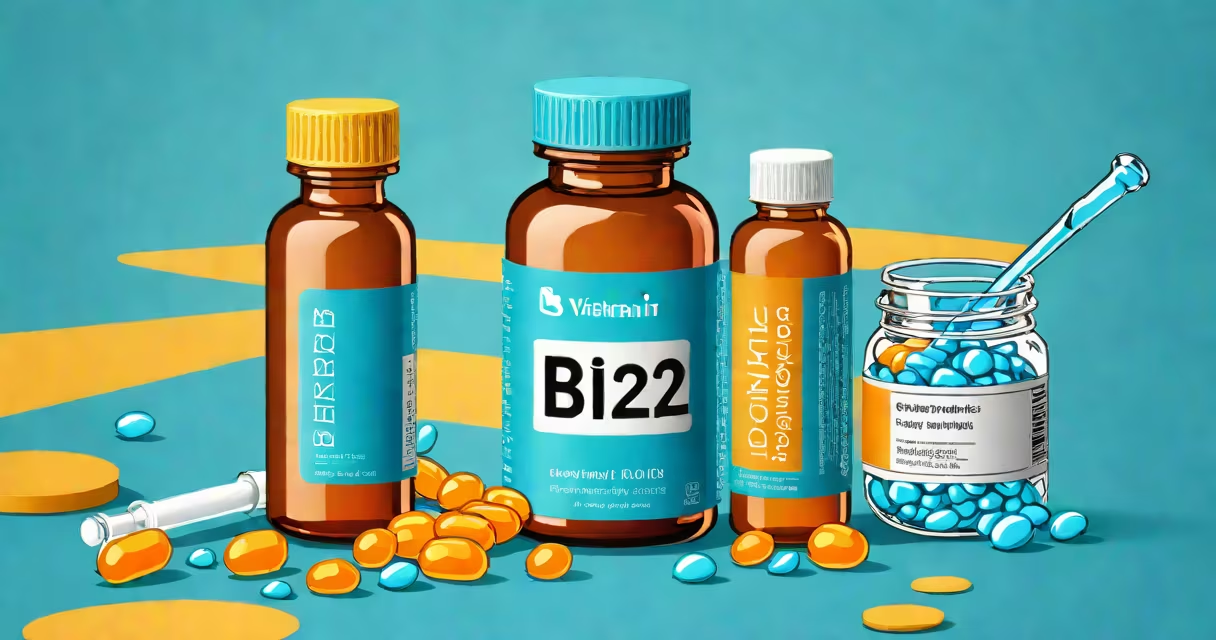
Vitamin B12 is a water-soluble nutrient essential for nerve function, red blood cell production, and DNA synthesis. It plays a critical role in converting food into cellular energy and maintaining neurological health.
B12 is one of eight B vitamins involved in metabolic processes. Unlike fat-soluble vitamins, it dissolves in water and is not stored long-term in the body. Without sufficient intake, symptoms of deficiency can develop within months due to limited reserves.
The human body cannot produce vitamin B12. It must come from animal-based foods or supplements. A daily requirement of 2.4 micrograms is recommended for adults by the National Institutes of Health (NIH).
B12 acts as a coenzyme in two major biochemical reactions. The first involves methylmalonyl-CoA mutase, which converts methylmalonyl-CoA to succinyl-CoA-a step in breaking down certain fats and amino acids. The second reaction depends on methionine synthase, which regenerates methionine from homocysteine using a methyl group donated by 5-methyltetrahydrofolate.
This second process is important because it recycles folate and prevents homocysteine buildup. Elevated homocysteine levels are linked to increased risk of cardiovascular disease and cognitive decline.
Without adequate B12, the body cannot efficiently produce healthy red blood cells. This leads to megaloblastic anemia, where cells are larger than normal but underdeveloped, reducing oxygen delivery to tissues.
B12 supports multiple systems. It maintains myelin sheath integrity around nerves, ensuring rapid signal transmission. Deficiency disrupts this insulation, leading to tingling, numbness, or balance issues.
It contributes to mental clarity and mood regulation. Studies show low B12 levels correlate with depression and memory problems. A 2021 study published in *Nutrients* found that older adults with B12 deficiency had lower scores on cognitive tests compared to those with normal levels.
B12 also influences energy metabolism. It helps convert carbohydrates, fats, and proteins into ATP-the body's primary energy currency. While B12 doesn't directly "boost" energy, insufficient levels lead to fatigue and weakness.
Many assume B12 supplements increase energy dramatically. This is false unless a deficiency exists. Healthy individuals with normal B12 levels see no performance or stamina gains from extra supplementation.
Another myth is that B12 is only important for vegetarians and vegans. While plant-based diets lack natural B12, omnivores can still develop deficiencies due to malabsorption conditions like pernicious anemia or gastrointestinal surgery.
A lesser-known fact: B12 absorption requires intrinsic factor, a protein made in the stomach. Without it, even high dietary intake fails to deliver B12 to cells. Pernicious anemia affects about 1 in 1,000 people in the U.S., according to the NIH.
For most people, diet provides enough B12. However, absorption efficiency declines with age. Adults over 50 may absorb only 10-15% of dietary B12 due to reduced stomach acid.
Supplement forms differ in bioavailability. Cyanocobalamin is the most common synthetic form. Methylcobalamin and adenosylcobalamin are active forms found naturally in food. Some research suggests methylcobalamin may have better retention in neural tissue.
Early symptoms include fatigue, weakness, and difficulty concentrating. As deficiency progresses, neurological effects emerge: unsteady gait, vision changes, and memory loss. These can mimic dementia if untreated.
Untreated deficiency increases stroke risk by 20%, per a 2019 meta-analysis in *The American Journal of Clinical Nutrition*. It also raises homocysteine levels, contributing to vascular damage.
If you suspect low B12, consult a healthcare provider. Blood tests measure serum B12, but functional markers like methylmalonic acid (MMA) and homocysteine are more accurate indicators of deficiency.
I once observed a patient with persistent fatigue and numbness in their hands. Serum B12 was borderline low. After starting weekly injections, symptoms resolved within six weeks. This case highlights that subtle signs can mask serious underlying issues.
Supplementation is advised for those with confirmed deficiency, malabsorption disorders, or strict vegan diets. The standard dose for treatment is 1,000 mcg daily for one week, then monthly injections or oral doses depending on cause.
People taking proton pump inhibitors (PPIs) for acid reflux may lose B12 over time. Long-term PPI use reduces stomach acidity, impairing B12 release from food proteins. A 2020 study in *Alimentary Pharmacology & Therapeutics* found users had a 30% higher risk of deficiency.
what does vitamin B12 do for me? It sustains nerve health, enables red blood cell formation, supports cognitive function, and aids in energy metabolism. Its absence triggers fatigue, neurological decline, and increased disease risk.
While supplements offer convenience, they don't replace a balanced diet rich in animal products or fortified foods. Always confirm deficiency through testing before starting long-term supplementation.