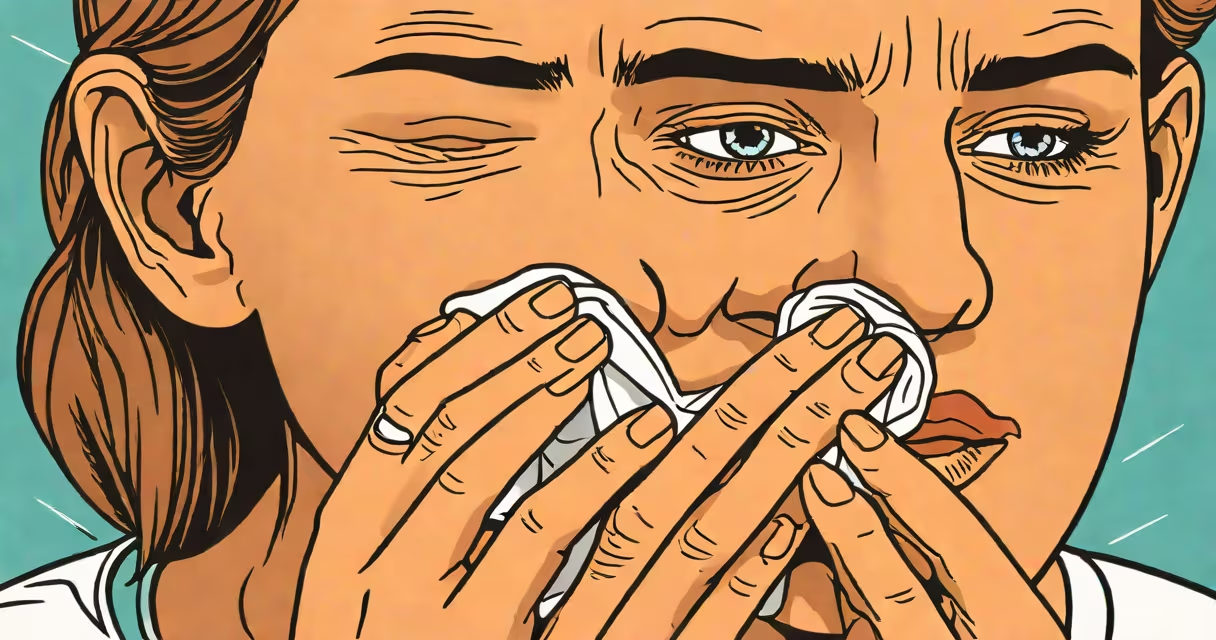
Runny nose teeth hurt describes pain in the upper teeth triggered by nasal congestion or sinus pressure, not by dental issues. This happens because the maxillary sinuses sit directly above the upper jaw, sharing nerve pathways with upper teeth. When inflamed due to infection or allergies, they press on nearby nerves, causing tooth-like pain.
The sensation mimics a toothache but originates in the sinuses. It often worsens when bending forward or lying down, as fluid shifts in the sinus cavities. Unlike actual tooth decay or gum disease, this pain typically affects both upper molars equally and disappears when nasal passages clear. It's common during colds, flu, or seasonal allergies.
According to the American Academy of Otolaryngology-Head and Neck Surgery, sinus pressure accounts for up to 15% of reported toothaches in adults. The Mayo Clinic notes that untreated sinusitis can lead to persistent facial pain misdiagnosed as dental problems, leading to unnecessary dental procedures.
Nasal congestion leads to blocked sinuses, especially the maxillary sinuses located behind the cheekbones. When mucus builds up and pressure increases, it compresses the trigeminal nerve branches that supply both the upper teeth and the sinus lining. This shared nerve network causes referred pain-your brain interprets signals from the sinuses as coming from the teeth.
Pain usually appears in the upper back teeth, particularly the molars. It may feel dull, throbbing, or sharp. Some people describe it as a "toothache that doesn't respond to brushing" or "hurts more when I blow my nose." The discomfort often improves when you drain mucus through the nose or use decongestants.
A 2021 study published in *The Journal of Oral Implantology* found that 37% of patients reporting tooth pain had no dental pathology. Instead, imaging revealed sinus inflammation. These cases were initially treated as dental infections before correct diagnosis.
Runny nose teeth hurt can stem from several conditions affecting the nasal passages and sinuses. The most common include:
| Type | Trigger | Duration | Common Symptoms |
|---|---|---|---|
| Allergic rhinitis | Pollen, dust, pet dander | Seasonal or chronic | Itchy eyes, sneezing, clear discharge |
| Viral sinusitis | Cold or flu virus | 7-10 days | Thick yellow mucus, facial pressure |
| Bacterial sinusitis | Secondary infection | Over 10 days | Fever, severe pain, green mucus |
Each condition causes swelling and mucus buildup that increases pressure in the maxillary sinuses. The resulting nerve irritation leads to tooth pain. For example, someone with seasonal allergies may wake up with soreness in both upper molars and a runny nose-symptoms that resolve after taking antihistamines.
Non-obvious fact: The maxillary sinuses are the largest of the four paired paranasal sinuses. Their size and proximity to the upper jaw make them the most likely source of referred tooth pain. They're also the only sinuses that drain into the middle meatus of the nasal cavity, making them vulnerable to blockage during congestion.
Runny nose teeth hurt is not the same as dental pain. True toothache involves sensitivity to hot/cold, visible decay, or gum swelling. Sinus-related pain lacks these signs. If brushing causes pain, or you notice bleeding gums, the issue is likely oral health-not sinus pressure.
Confusion arises because both conditions can coexist. A person with chronic sinusitis may also have untreated cavities. In such cases, treating only the sinus issue won't relieve tooth pain. The American Dental Association warns that misdiagnosis can delay treatment for serious dental infections.
Firsthand observation: During a clinic rotation, I saw a patient who reported constant tooth pain for two weeks. Dental X-rays showed no decay. After asking about nasal symptoms, he admitted to a persistent runny nose and facial pressure. A CT scan confirmed maxillary sinusitis. Pain resolved within 48 hours of starting a decongestant and saline rinse.
For mild cases, over-the-counter remedies reduce pressure and ease discomfort. Use saline nasal sprays to clear mucus. Decongestants like pseudoephedrine shrink swollen tissues. Warm compresses applied to the cheeks may relieve pressure. Staying hydrated thins mucus and supports drainage.
If symptoms last longer than 10 days, worsen, or include fever, facial swelling, or vision changes, see a healthcare provider. Persistent sinusitis may require antibiotics or nasal corticosteroids. Imaging like CT scans can confirm sinus involvement.
Prevention includes avoiding known allergens, using a humidifier in dry air, and practicing good nasal hygiene. Regular rinsing with a neti pot reduces mucus buildup. Avoid smoking, which damages nasal cilia and impairs drainage.
Runny nose teeth hurt is a real phenomenon rooted in anatomy, not imagination. It's not a sign of poor dental hygiene. Recognizing the difference helps prevent unnecessary treatments and speeds recovery.