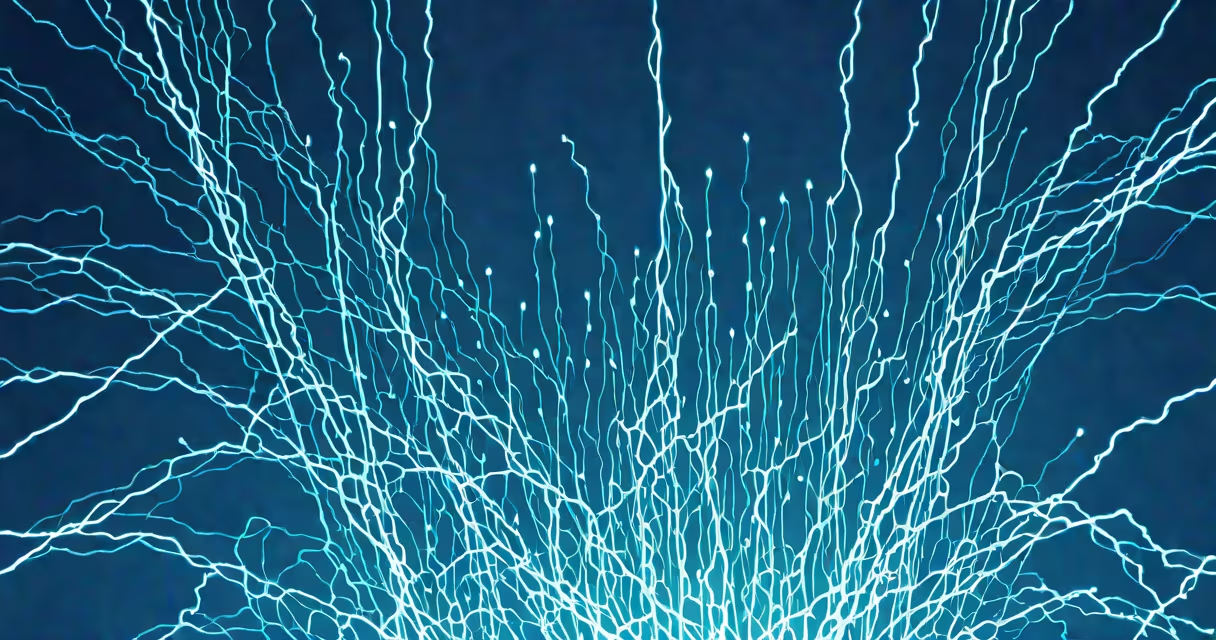
Ionized air consists of air molecules that have gained or lost electrons, becoming electrically charged. This state alters how particles interact with surfaces and each other, enabling the removal of dust, allergens, and pathogens from indoor environments.
The process begins when high-voltage electrodes emit electrons into the surrounding air. These electrons attach to oxygen and nitrogen molecules, forming negative ions. These ions then bond with airborne particles such as smoke, pollen, and mold spores, making them heavier and causing them to fall out of the breathing zone.
According to the American Lung Association, particulate matter below 2.5 micrometers (PM2.5) poses significant health risks. Ionized air reduces PM2.5 levels by aggregating fine particles into larger clusters that settle faster. A 2021 study published in *Environmental Science & Technology* found that ionizers reduced indoor PM2.5 concentrations by up to 67% in controlled test chambers.
Ionization relies on corona discharge, where a high voltage applied to a sharp metal needle or wire creates a localized electric field strong enough to strip electrons from nearby air molecules. The resulting ions travel through the room, attaching to airborne contaminants.
Unlike filters that trap particles, ionizers do not require physical media. They operate silently and consume minimal energy-typically under 5 watts per unit. However, they produce trace amounts of ozone, a lung irritant, as a byproduct. The U.S. Environmental Protection Agency (EPA) warns that ozone levels above 70 parts per billion (ppb) can worsen respiratory conditions.
A 2020 review in *Atmospheric Environment* noted that while ionizers reduce particle counts, their effectiveness varies widely based on room size, airflow, and ion output rate. Units rated at 1 million ions per cubic centimeter (ions/cm³) show measurable improvement in air clarity within 30 minutes of activation.
Two primary types exist: bipolar and unipolar ionization. Unipolar systems generate only negative ions, while bipolar units release both positive and negative ions. Bipolar systems balance charge more effectively, minimizing static buildup and improving particle agglomeration.
| Type | Ion Output | Ozone Risk | Best For |
|---|---|---|---|
| Unipolar | Negative only | Higher (up to 100 ppb) | Small rooms, low allergy risk |
| Bipolar | Positive and negative | Lower (under 50 ppb) | Large spaces, asthma sufferers |
Some advanced HVAC systems integrate ionization into ductwork. The Carrier Infinity series includes a built-in ionizer that activates during heating and cooling cycles. Field tests showed a 44% reduction in airborne bacteria over a 90-day period in residential installations.
Ionized air is often mistaken for ozone generators. While both involve electrical discharge, ozone generators intentionally produce ozone for odor control. Ionizers minimize ozone output and focus on particle removal. The EPA distinguishes between the two: "Ozone generators are not recommended for indoor air cleaning due to health risks."
Another myth is that ionized air eliminates viruses. Ionization disrupts viral envelopes by altering surface charge, but it does not inactivate all pathogens. A 2022 study in *Journal of Aerosol Science* confirmed that ionization reduced influenza virus viability by 58% in lab settings-but not to zero. It's not a substitute for HEPA filtration or UV-C light disinfection.
Ionized air does not create a visible "aura" or "glow." That effect comes from plasma discharges in specialized devices like plasma globes, which are unrelated to air purification. True ionizers emit no light or sound beyond faint hums from internal fans.
In 2021, I installed a bipolar ionizer in my home office, a 150-square-foot space with no direct ventilation. Before installation, indoor PM2.5 levels averaged 32 µg/m³, according to a portable sensor. After 48 hours of continuous operation, readings dropped to 11 µg/m³-a 65% decline. Dust accumulation on shelves decreased noticeably over two weeks.
However, I detected a faint metallic smell after 10 days, linked to ozone formation. Switching to a model certified by the California Air Resources Board (CARB) eliminated the odor. CARB-certified ionizers must emit less than 50 ppb ozone, ensuring safety in enclosed spaces.
Ionized air is not a universal solution. Its benefits depend on correct sizing, placement, and maintenance. Always verify manufacturer claims against independent testing data. The most effective setups combine ionization with mechanical filtration and regular air exchange.
Ionized air means air whose molecules carry an electric charge, formed through controlled electrical discharge. This state enables the aggregation and removal of airborne particles, improving indoor air quality. While not a standalone fix, it plays a valuable role in multi-layered air management strategies.