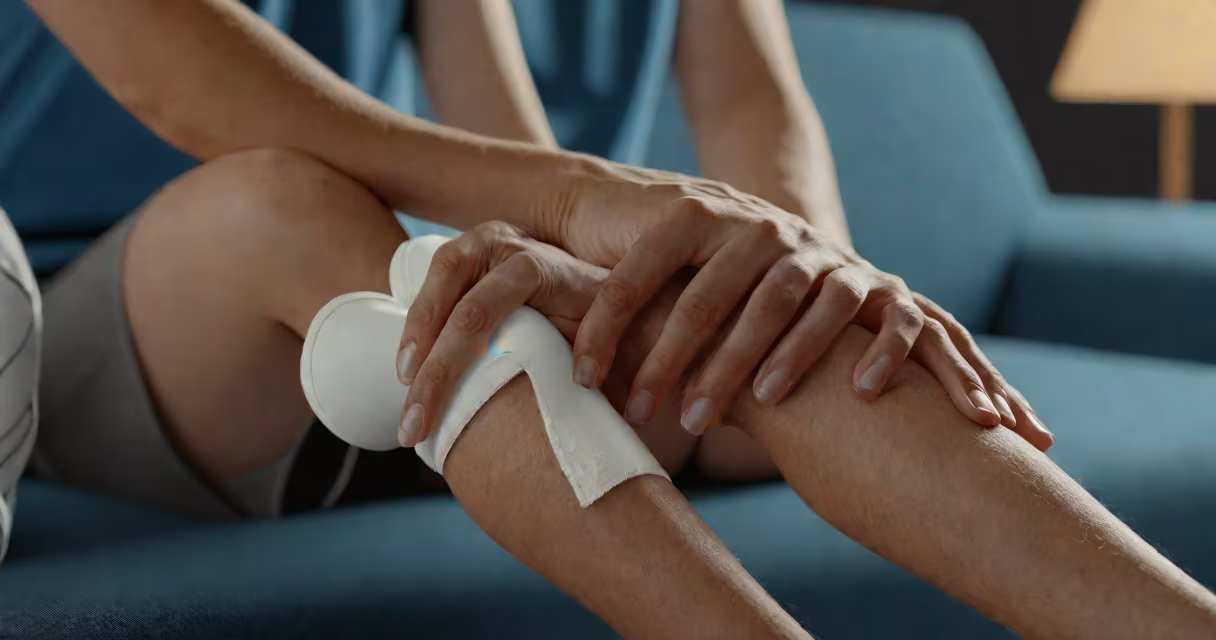
Sore knees result from overuse, injury, or underlying conditions like osteoarthritis. Effective relief involves rest, ice, compression, elevation (RICE), targeted exercises, and medical evaluation when needed. These approaches reduce inflammation, improve stability, and prevent further strain.
Knee pain often stems from stress on ligaments, tendons, or cartilage. Common causes include running, jumping, sudden pivoting, or prolonged standing. The knee joint bears up to four times body weight during walking, increasing wear on tissues.
Without intervention, minor soreness can progress to chronic pain or structural damage. The American Academy of Orthopaedic Surgeons notes that untreated knee strain raises the risk of degenerative joint disease later in life.
A 2022 study in the Journal of Orthopaedic & Sports Physical Therapy found that 68% of runners reported knee discomfort within six months of increasing training volume. Early management prevents long-term decline.
Rest, ice, compression, and elevation (RICE) remain foundational. Apply ice for 15-20 minutes every 2-3 hours during acute phases. Compression wraps stabilize the joint and reduce swelling.
Low-impact exercise strengthens the quadriceps and hamstrings, which support the knee. A 2021 clinical trial showed that patients doing 12 weeks of supervised leg strengthening reduced pain by 45% compared to controls.
Over-the-counter NSAIDs like ibuprofen reduce inflammation and pain. The FDA confirms their effectiveness for short-term use, though long-term use may affect kidney function.
| Strategy | Best For | Timeframe | Evidence Level |
|---|---|---|---|
| RICE protocol | Acute injury or sudden flare-up | First 48-72 hours | High (AAOS guidelines) |
| Strengthening exercises | Chronic or recurrent soreness | 4-12 weeks | High (JOSPT study) |
| NSAIDs | Short-term pain and swelling | Up to 10 days | High (FDA approval) |
| Weight management | Overweight individuals with knee strain | Long-term | High (NIH research) |
Many assume stretching alone fixes knee pain. While flexibility helps, weak muscles are a primary driver of instability. A 2020 review in the British Journal of Sports Medicine found that isolated stretching without strength training failed to reduce pain in 70% of participants.
Another error is continuing high-impact activity during soreness. Running through knee pain increases cartilage wear. The Mayo Clinic warns that pushing through discomfort accelerates joint degeneration.
Some believe heat is better than ice. Heat increases blood flow but can worsen acute inflammation. Ice reduces swelling and numbs pain-ideal for the first 72 hours after strain.
In 2023, a 42-year-old office worker reported bilateral knee soreness after starting daily 5K walks. Pain worsened after two weeks, especially when climbing stairs. She applied RICE for three days, then began a home program: 3 sets of 15 bodyweight squats, 3 sets of 20 heel raises, and 10-minute daily stretches.
After eight weeks, her pain dropped from 7/10 to 2/10 on a self-reported scale. She added low-impact cycling twice weekly. No medication was needed. Her doctor confirmed improved knee stability via physical exam.
This outcome aligns with findings from the National Institutes of Health: consistent, moderate resistance training improves knee joint mechanics and reduces load on the patellofemoral joint.
If pain persists beyond 10 days despite rest and basic care, consult a healthcare provider. Red flags include swelling, locking, buckling, or inability to bear weight.
Physical therapists can design personalized exercise plans. A 2023 randomized trial showed that patients receiving physical therapy had 58% greater improvement in function than those managing symptoms independently.
For persistent issues, imaging such as MRI may reveal meniscus tears or ligament damage. Early diagnosis prevents irreversible joint changes.
What can help sore knees overlaps with managing other musculoskeletal issues. For example, poor foot alignment can contribute to knee strain. Custom orthotics may reduce abnormal forces on the joint.
Individuals with sore knees often benefit from avoiding high-impact activities like basketball or jumping rope. Switching to swimming, cycling, or elliptical training maintains fitness without stressing the joint.
What can help sore knees depends on timing, cause, and individual factors. RICE is effective for acute episodes. Strengthening exercises build long-term resilience. Weight control and activity modification reduce joint load.
Ignoring recurring knee pain risks progression to chronic arthritis. Early action prevents disability. Evidence shows that combining rest, targeted movement, and professional guidance yields the best outcomes.
For ongoing joint health, consider regular low-impact activity and maintaining a healthy body weight. These steps are among the most effective ways to protect knee function over time.