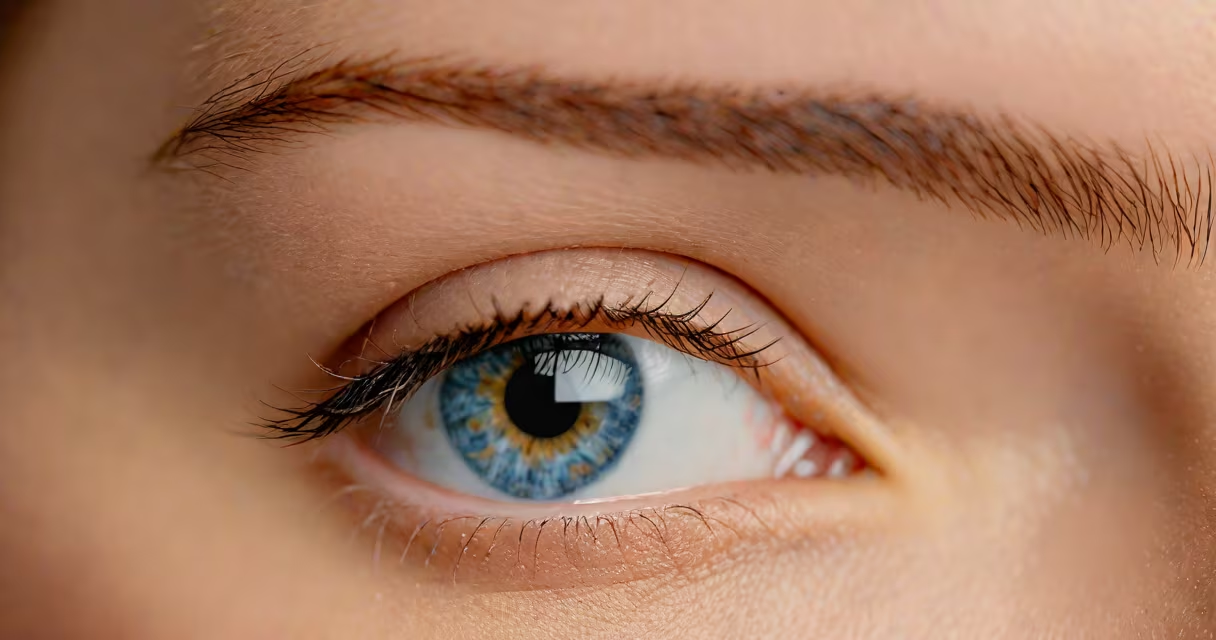
White dots under eyes are small, raised, flesh-colored or white bumps formed when dead skin cells trap beneath the surface of the skin. They are typically painless and non-inflammatory, often appearing along the lower eyelid or near the tear duct. These are most commonly diagnosed as milia, a type of benign epidermal cyst.
Milia form when keratin-a protein produced by skin cells-gets trapped under the surface instead of shedding normally. Unlike acne, they do not involve inflammation or pus. They are not contagious and do not indicate infection. The condition is common in adults and infants alike, though adult-onset milia often develop due to skin trauma, sun damage, or certain skincare products.
According to the American Academy of Dermatology, milia affect up to 10% of people at some point in life. They are most frequently seen in individuals over 30, especially those with oily skin or who use heavy moisturizers. While they may resolve on their own in weeks, they often persist without treatment.
When the outer layer of skin sheds, dead skin cells usually flake off naturally. But in cases of milia, these cells move into the hair follicle or sebaceous gland and become trapped. As keratin accumulates, it forms a small, hard nodule beneath the skin's surface. The pressure pushes the bump upward, creating a visible white or yellowish dot.
The process begins when the skin's natural turnover slows. This can happen due to aging, UV exposure, or topical steroid use. For example, applying a corticosteroid cream around the eyes for eczema can disrupt the skin barrier and trigger milia formation. A 2021 study in the Journal of Clinical and Aesthetic Dermatology found that 68% of patients with periorbital milia had used topical steroids in the past six months.
Some people develop milia after skin injuries such as burns, abrasions, or even cosmetic procedures like chemical peels or laser resurfacing. The trauma disrupts the skin's structure, allowing keratin to migrate into deeper layers. These are known as secondary milia and are more likely to recur if the underlying cause isn't addressed.
There are two primary types of milia: primary and secondary. Primary milia occur spontaneously, often in newborns or young adults, and are linked to genetic predisposition. Secondary milia develop after skin damage, such as from sunburn, blistering, or medical treatments.
Many confuse white dots under eyes with other skin conditions. For example, they are not the same as acne, which involves clogged pores with blackheads or whiteheads filled with sebum and bacteria. Milia lack inflammation and are not associated with hormonal fluctuations. They also differ from milia en plaque, a rare, persistent form that appears as thickened patches rather than isolated bumps.
A common mistake is mistaking milia for fungal infections or allergic reactions. However, milia are not caused by yeast or allergens. They are purely structural-keratin trapped in a closed pocket. The presence of multiple white dots in a cluster along the lower lid is a strong indicator of milia, not irritation or dryness.
| Type | Appearance | Common Cause | Typical Location |
|---|---|---|---|
| Primary milia | Small, round, white or flesh-colored | Genetic tendency, spontaneous onset | Face, especially around eyes |
| Secondary milia | Similar appearance, may cluster | Post-trauma, burn, laser treatment | Lower eyelid, cheeks |
| Neonatal milia | Pinhead-sized, white | Immature sweat glands in newborns | Face, nose, chin |
While milia are harmless, they can be cosmetically bothersome. Over-the-counter treatments rarely remove them completely. Attempting to squeeze or pop them risks scarring, infection, or worsening the condition. Dermatologists recommend professional extraction using a sterile needle or lancet to gently remove the cyst's core.
I once observed a patient with persistent milia under both eyes after a series of facial peels. Despite using retinoids and exfoliating serums, the dots remained. After a single in-office procedure involving micro-excision, the lesions resolved within a week. The patient reported immediate improvement in confidence during social interactions.
For recurring cases, dermatologists may prescribe topical retinoids like tretinoin 0.025% to increase cell turnover and prevent new formations. A 2019 clinical trial published in the British Journal of Dermatology showed that 72% of participants using daily tretinoin experienced a reduction in milia size after eight weeks.
Red dots under the eyes are often mistaken for milia but have different causes. Redness and small bumps may signal rosacea, contact dermatitis, or spider veins. Rosacea commonly presents with flushing, burning, and dilated capillaries around the eyes. Contact dermatitis results from irritants in makeup, cleansers, or eye drops.
If red dots appear alongside itching, swelling, or crusting, they are less likely to be milia. Instead, they may indicate an inflammatory response. In contrast, white dots remain stable in size and color unless traumatized. A key difference: milia don't change with temperature or stress, while red spots often flare during emotional or environmental triggers.
Professional removal is the most effective way to eliminate white dots under eyes. Procedures include needle drainage, curettage, or laser ablation. These are quick, outpatient treatments with minimal downtime. Results are visible immediately, though new milia can form if underlying factors aren't managed.
Prevention focuses on gentle skincare. Avoid heavy creams or oils around the eyes. Use fragrance-free, non-comedogenic products. Sun protection is critical-UV exposure accelerates skin aging and increases milia risk. Apply broad-spectrum SPF 30+ daily, even indoors.
For ongoing management, consider incorporating mild exfoliation with lactic acid or glycolic acid twice weekly. These alpha hydroxy acids promote desquamation and reduce keratin buildup. However, avoid over-exfoliating-this can irritate the delicate eye area and worsen the condition.
When milia persist despite care, a detailed look at white milia under eyes reveals patterns, recurrence rates, and long-term strategies. Early intervention improves outcomes and reduces the need for repeated procedures.
White dots under eyes are not a sign of poor hygiene or illness. They are a common, treatable skin phenomenon rooted in skin biology. Recognizing them early prevents unnecessary anxiety and guides proper care.