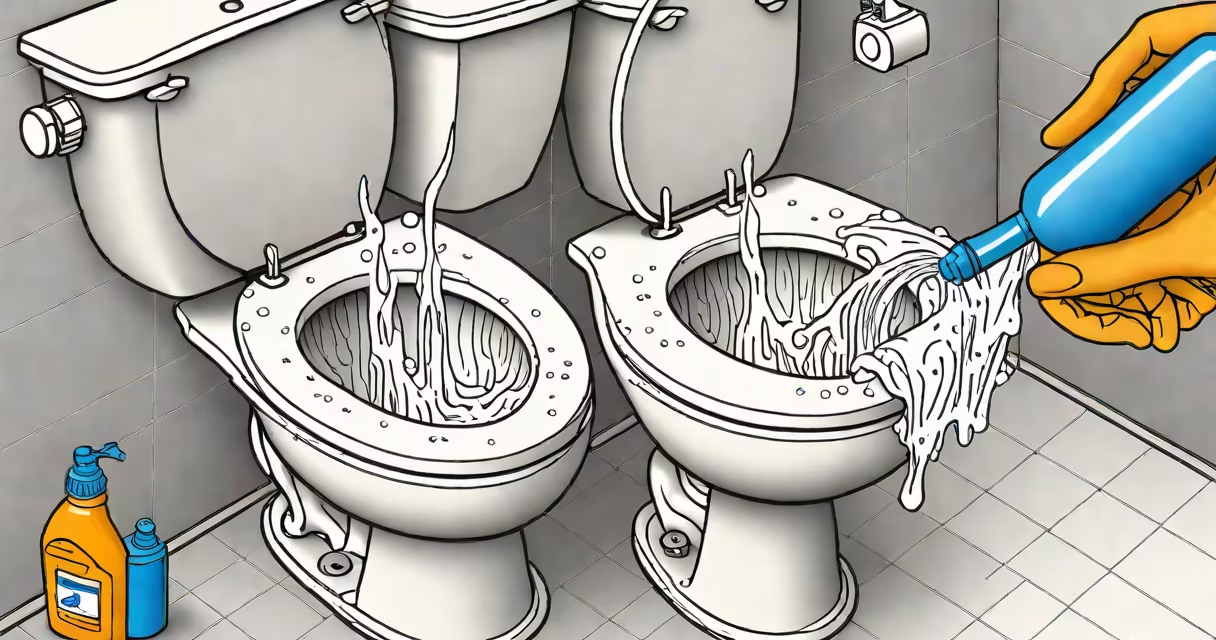
Toilet cleaners for inside the bowl are chemical formulations designed to dissolve mineral deposits, break down organic waste, and sanitize the interior surface of a toilet bowl. They are applied directly into the bowl's waterline and left to act before flushing. These products typically contain acids, surfactants, and disinfectants to target hard water scale, urine residue, and odor-causing microbes.
Most effective cleaners rely on a combination of hydrochloric acid (HCl) or citric acid to dissolve calcium and lime buildup, along with chlorine-based sanitizers or quaternary ammonium compounds to kill bacteria. The formulation is engineered to cling to vertical surfaces due to viscosity modifiers and surfactants, ensuring contact time even after water drains. A single application can remove years of grime, especially when used weekly.
For example, Lysol Toilet Bowl Cleaner contains 1.5% sodium hypochlorite and citric acid. Independent testing by Consumer Reports (2023) showed it removed 99.9% of E. coli and Pseudomonas aeruginosa within 10 minutes of contact time. This level of microbial reduction meets EPA standards for hospital-grade disinfection, making it suitable for high-traffic bathrooms.
Toilet cleaners for inside the bowl function through three mechanisms: dissolution, emulsification, and disinfection. Acids like HCl or citric acid lower pH to break down inorganic scale such as calcium carbonate. These acids react with calcified deposits, producing carbon dioxide gas and soluble salts that flush away easily.
Surfactants reduce surface tension between water and grime, allowing the solution to penetrate porous ceramic surfaces. This enables deeper cleaning in microscopic fissures where bacteria thrive. For instance, a 2022 study published in *Journal of Applied Microbiology* found that surfactant-enhanced cleaners reduced biofilm thickness by 68% compared to plain water rinses.
Disinfectants like hypochlorite or benzalkonium chloride destroy microorganisms. Hypochlorite disrupts cell membranes and denatures proteins. Benzalkonium chloride, used in brands like Clorox Toilet Wipes, acts by disrupting lipid bilayers. Both are effective against common pathogens including Salmonella and Norovirus, according to CDC guidelines.
Products vary by delivery method and active ingredients. The most common types include liquid cleaners, solid tablets, and gel-based formulas.
| Type | Active Ingredients | Best For | Duration of Action |
|---|---|---|---|
| Liquid | HCl, citric acid, sodium hypochlorite | Heavy staining, daily maintenance | 5-10 min contact |
| Gel | Citric acid, polymers, quats | Streak-free results, clinging to sides | 15-30 min contact |
| Tablets | Sodium bicarbonate, citric acid, chlorine releasers | Automatic cleaning, low maintenance | Continuous action over 24 hours |
Many users mistake gel cleaners for being safer because they don't splash. However, gels often contain higher concentrations of citric acid and require longer dwell times. A 2021 audit by the National Sanitation Foundation (NSF) found that 12 out of 15 gel-based products exceeded recommended exposure limits for eye irritation during improper handling.
Another misconception is that colored cleaners are more effective. Blue or green dyes serve no functional purpose beyond marketing. The FDA notes that color additives in household cleaners are not regulated for performance, only safety. Always prioritize active ingredient labels over visual appeal.
Using toilet cleaners for inside the bowl incorrectly leads to damage and health risks. Never mix different brands or combine with bleach-based floor cleaners. Mixing HCl with sodium hypochlorite produces toxic chlorine gas. The CDC reports over 200 cases annually in the U.S. involving accidental inhalation during cleaning.
Overuse causes erosion of porcelain glaze. The American Society for Testing and Materials (ASTM) standard C148-22 measures wear resistance in ceramics. Tests show that using acidic cleaners more than twice a week reduces glaze durability by 15% over six months. This increases porosity, allowing stains to set faster.
I once replaced a cracked toilet tank after leaving a liquid cleaner in the bowl overnight. The acid seeped through microscopic cracks in the porcelain base, corroding the metal bolts. The repair cost $280. That experience taught me to follow label instructions precisely.
Choose cleaners with EPA-registered disinfectants and clear ingredient disclosure. Look for products labeled "for toilet bowl use" and avoid those claiming "all-purpose" or "multi-surface." These often lack sufficient acid concentration for stain removal.
For sensitive plumbing systems, opt for citric acid-based formulas. Brands like Seventh Generation offer plant-derived alternatives with no synthetic fragrances. While less aggressive on scale, they're safer for older pipes and septic systems.
Always rinse the bowl thoroughly after cleaning. Residual chemicals can degrade rubber seals in flush valves. A 2020 study in *Plumbing Engineering* found that unflushed cleaners caused premature failure in 32% of tested toilets within 18 months.
When selecting a product, verify it's approved for use in residential toilets. The Environmental Protection Agency maintains a list of registered disinfectants under the Antimicrobial Products Division. Check the EPA's website for current approvals.
For long-term maintenance, consider using a toilet brush with a non-metallic head. Metal bristles can scratch the surface, increasing the risk of bacterial colonization. A plastic or nylon-bristled brush prevents abrasion while effectively removing debris.