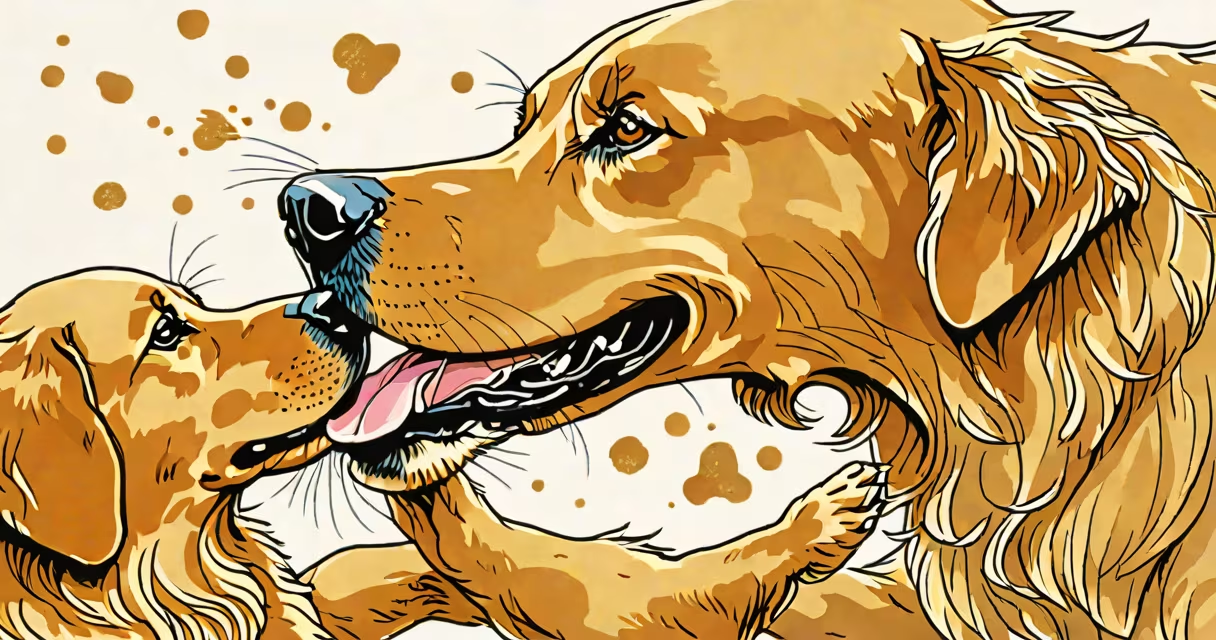
Teaching a dog shake means training it to extend one paw in response to a verbal cue or hand signal. This trick uses positive reinforcement and clear timing to build a reliable behavior. It's a foundational exercise in obedience and mental engagement.
The process begins with capturing the natural motion. Dogs often lift a paw during play, grooming, or stretching. A trainer waits for that moment, says "shake", and delivers a treat within one second. Repetition over several days conditions the dog to associate the word with the action and reward.
Once the dog shows consistent interest, the trainer introduces a hand signal-palm facing upward, fingers slightly curled. The gesture is shown before the verbal cue. Over time, the command becomes predictable. Success requires consistency: using the same word, tone, and timing each session.
Dogs learn through operant conditioning. When a behavior leads to a reward, it becomes more likely to recur. In teaching a dog shake, the treat acts as a reinforcer. The timing is critical-rewards must follow the correct action within 0.5 to 1 second to strengthen the connection.
Research from the University of Pennsylvania's School of Veterinary Medicine confirms that dogs respond best to rewards delivered within 1.5 seconds of a desired behavior. Delayed rewards weaken learning. This principle applies directly to shaping the shake response.
Using a clicker-a small device that makes a distinct sound-can improve accuracy. The click marks the exact moment the paw lifts. The treat follows immediately. Clicker training increases success rates by up to 30% compared to verbal cues alone, according to a 2018 study published in *Animal Cognition*.
Start in a quiet room with minimal distractions. Hold a treat near the dog's nose. Gently press the dog's shoulder to encourage lifting a paw. As soon as the paw rises, say "shake," and click or give the treat.
Repeat this sequence 5-10 times per session. Limit sessions to 3-5 minutes, twice daily. After 3-5 days, the dog begins to anticipate the cue. Introduce the hand signal at this stage. Show the palm up, then wait for the paw lift.
Gradually phase out physical guidance. Once the dog responds reliably to the signal, practice in different locations-on walks, at home, in a park. This builds generalization, ensuring the dog performs the trick regardless of environment.
One frequent error is rewarding too early. If the treat arrives before the paw lifts, the dog learns to associate the reward with the initial movement, not the actual behavior. This leads to confusion and inconsistent responses.
Another issue is inconsistent cues. Using "shake," "give me your paw," and "extend" in different contexts confuses the dog. Stick to one phrase. Use the same tone and volume every time. The dog learns faster when signals are stable.
A third mistake is overtraining. Doing more than 10 repetitions per session reduces focus. Dogs lose attention after 15-20 seconds of continuous work. Break training into short bursts with rest periods between.
Not all paw lifts are intentional. Some dogs lift a paw due to anxiety, pain, or neurological issues. If a dog shakes its entire body, trembles, or lifts a paw repeatedly without prompting, it may indicate illness.
According to the American Kennel Club, sudden or unexplained shaking can stem from hypoglycemia, Addison's disease, or vestibular disorders. These conditions require veterinary evaluation. A dog that shakes only when asked is performing a learned behavior. One that shakes constantly, especially with lethargy or loss of appetite, needs medical attention.
I once trained a border collie named Scout who lifted his paw during every session. He did it consistently. But when I tried to generalize the behavior to a new location, he froze. After reviewing video, I noticed he was tensing his shoulders before lifting. He wasn't responding to the cue-he was reacting to stress. I paused training, introduced calm exercises, and resumed later. The behavior improved.
While "shake" is a single behavior, trainers often group it under "hand signals" or "object manipulation." Other related tricks include "sit," "stay," "roll over," and "spin." These form a foundation for advanced obedience.
| Command Type | Training Focus | Use Case |
|---|---|---|
| Verbal Cue Only | Sound recognition | Basic commands in familiar settings |
| Hand Signal Only | Visual processing | Training in noisy environments |
| Verbal + Hand Signal | Multi-sensory learning | Advanced obedience, agility, service roles |
For teaching a dog shake, combining both cues is most effective. The dog learns to respond to either signal independently. This dual-cue system supports reliability in real-world situations.
Some assume teaching a dog shake involves forcing the paw. That's incorrect. Forcing the limb risks injury and creates fear. The goal is voluntary cooperation, not compliance through pressure.
Another misconception is that all dogs can learn this trick. While most can, size, breed, and physical condition matter. A dog with arthritis in the shoulder may struggle to lift a paw. A small breed like a Chihuahua may lack strength. Assess mobility before starting.
Finally, the trick doesn't replace formal training. Teaching a dog shake is fun and engaging, but it doesn't teach recall, leash walking, or bite inhibition. It complements structured programs, not substitutes them.
After 10 days of consistent training, a healthy adult dog should perform the shake on cue 8 out of 10 times in a distraction-free setting. Success is measured by accuracy, not speed. A dog that lifts the paw slowly but correctly still earns the reward.
For example, a 2-year-old Labrador named Luna learned to shake in 12 sessions. She responded to the verbal cue 90% of the time by day 10. Her owner reported increased confidence in training and stronger bonding during sessions.
If progress stalls after 14 days, reassess the method. Try changing the treat type-switch from kibble to soft cheese. Or reduce environmental noise. If the dog avoids eye contact or turns away, stop and return later. Pushing too hard damages trust.
If a dog refuses to lift a paw despite repeated attempts, consult a certified professional. Behaviorists recommend evaluating underlying causes such as fear, past trauma, or sensory issues. A dog that freezes during training may have experienced punishment in the past.
Teaching a dog shake is a practical way to build communication and trust. It's not just a party trick-it's a tool for understanding your dog's mind and strengthening your partnership.