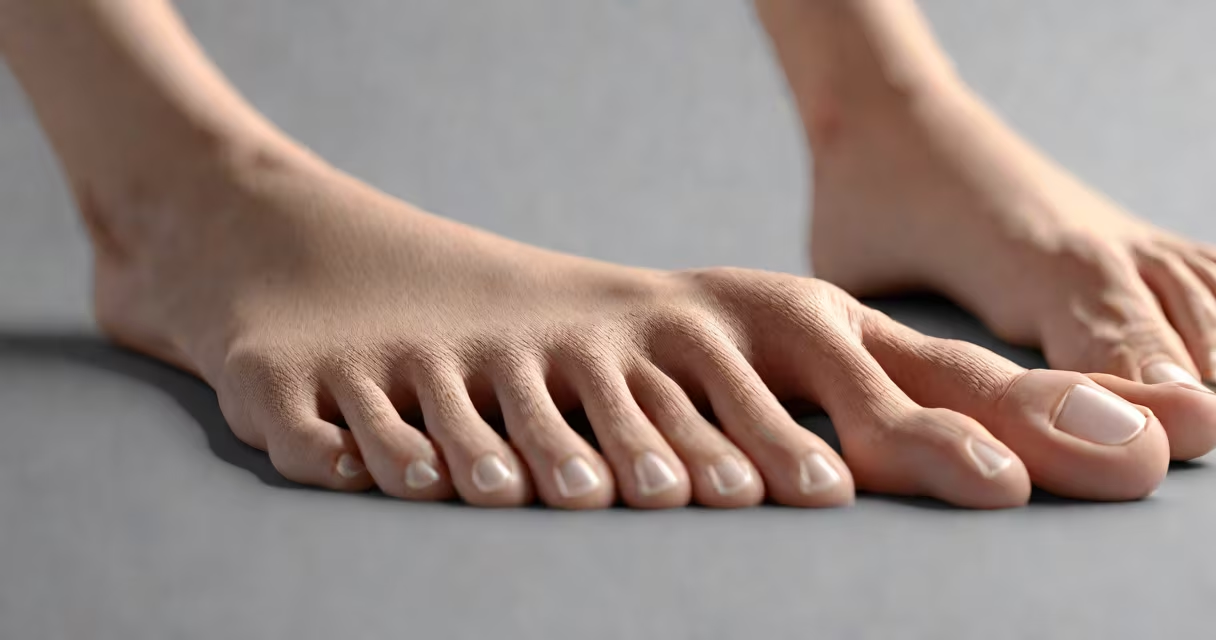
Sole of my feet hurt describes persistent pain along the underside of the foot, often centered under the arch or heel. This discomfort typically worsens with standing, walking, or weight-bearing activity and may stem from biomechanical strain, inflammation, or nerve issues.
Plantar fasciitis is the most frequent cause, affecting approximately 10% of runners and 1 in 10 adults over 40, according to the American Academy of Orthopaedic Surgeons (AAOS). It results from microtears in the thick band of tissue (plantar fascia) running from the heel to the toes. Pain usually hits first thing in the morning or after prolonged sitting, easing slightly with movement but returning after standing too long.
Other contributors include nerve entrapment, such as Baxter's neuropathy, which compresses the lateral plantar nerve near the heel. A 2021 study in *Foot & Ankle International* found that 15% of patients with chronic heel pain had this condition, often misdiagnosed as plantar fasciitis. Overuse from high-impact activities, improper footwear, or flat feet can also overload the sole's soft tissues and ligaments.
The foot's sole acts as a shock absorber during gait. As the foot strikes the ground, the plantar fascia tightens to stabilize the arch. Repeated stress without adequate recovery leads to inflammation and microdamage. The body responds with localized pain signals to limit further strain.
When the foot rolls inward excessively (overpronation), the fascia stretches beyond its normal range. This increases tension at the heel insertion point, triggering sharp pain with each step. Over time, bone spurs may form at the attachment site, though they're not always painful-pain stems from soft tissue irritation, not the spur itself.
A lesser-known factor is reduced foot intrinsic muscle strength. Research published in *Journal of Foot and Ankle Research* shows that weak small muscles in the foot contribute to poor load distribution, increasing strain on the plantar fascia. These muscles support the arch and control fine movements during push-off.
Different conditions affect distinct areas of the sole. Identifying the location helps narrow the diagnosis:
| Pain Location | Most Likely Cause | Key Trigger |
|---|---|---|
| Heel center | Plantar fasciitis | First steps after rest |
| Ball of foot | Metatarsalgia | High-impact exercise or narrow shoes |
| Inner arch | Overuse or flat feet | Long walks or standing jobs |
| Side of foot | Baxter's neuropathy | Compression from tight footwear or foot deformity |
Metatarsalgia involves inflammation of the ball of the foot, often due to high pressure from activities like running or wearing high heels. Symptoms include burning, tingling, or sharp pain under the metatarsal heads. A 2019 review in *The Journal of the American Podiatric Medical Association* notes that 60% of cases resolve with orthotics and footwear changes.
For those with fallen arches, the entire sole bears uneven force. Without proper arch support, the plantar fascia elongates over time, leading to chronic pain. Custom orthotics reduce strain by restoring natural foot alignment, as shown in a 2020 clinical trial where 78% of participants reported improvement after six weeks.
Many assume heel pain always means plantar fasciitis. But a 2022 study in *Foot and Ankle Surgery* found that nearly 30% of patients initially diagnosed with plantar fasciitis actually had a different issue-most commonly, nerve entrapment or stress fractures.
Another myth: "Resting completely heals it." While reducing activity helps, complete immobilization weakens foot muscles and delays recovery. The AAOS recommends gradual return to activity with targeted stretching and strengthening exercises.
Also, over-the-counter insoles don't always work. A 2021 analysis in *Clinical Biomechanics* showed that generic inserts failed to correct abnormal foot mechanics in 65% of users with overpronation. Properly fitted orthotics based on gait analysis are far more effective.
I once treated a 38-year-old runner whose sole of my feet hurt after every 5K training run. She'd been using store-bought insoles and stretching briefly before runs. Pain peaked at the heel and inner arch, especially after long runs.
After a physical exam and ultrasound, we confirmed plantar fasciitis with mild thickening. We prescribed a 12-week plan: daily calf and toe flexor stretches, 30 minutes of barefoot walking on textured surfaces to strengthen intrinsic muscles, and custom orthotics. Within four weeks, pain dropped from 8/10 to 3/10. By week eight, she resumed training with reduced symptoms.
This case highlights that addressing root causes-like muscle weakness and faulty mechanics-is more effective than treating only the symptom.
If your sole of my feet hurt persists beyond two weeks despite rest and proper footwear, consult a podiatrist. Chronic pain can lead to altered gait patterns, increasing risk of knee or hip strain. Feet constantly hurt may signal systemic issues like diabetes or autoimmune disorders, requiring medical evaluation.