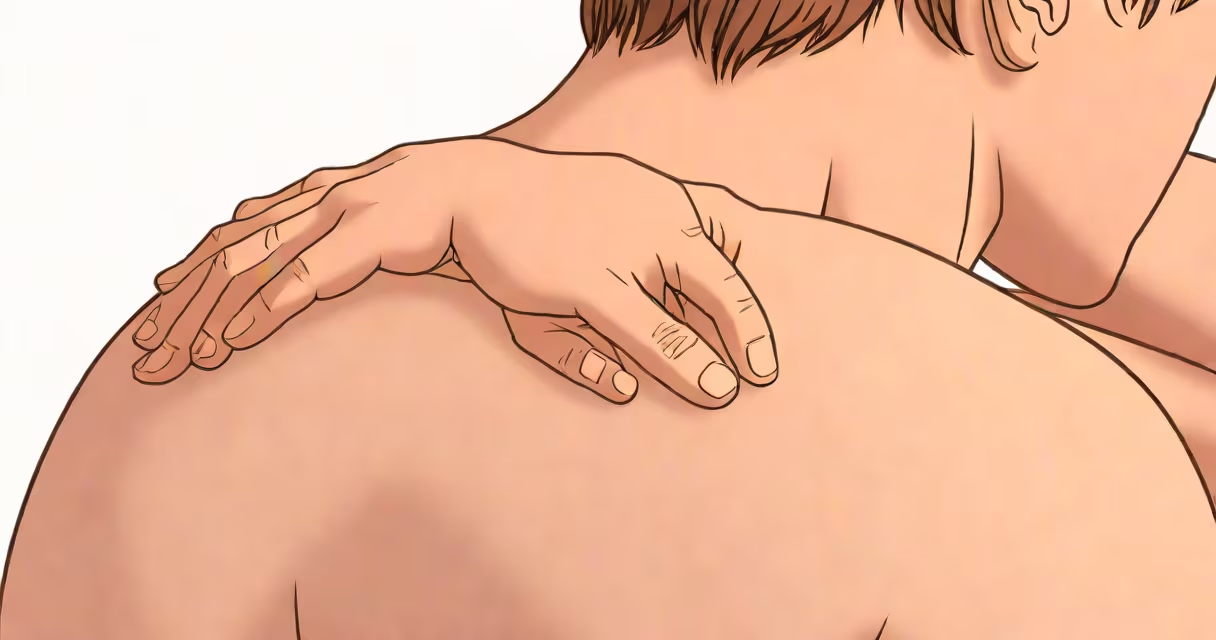
Shoulder spasms result from sudden, involuntary muscle contractions often triggered by poor posture, nerve compression, dehydration, or electrolyte imbalances. These episodes typically last seconds to minutes and may cause sharp pain or stiffness in the upper back, neck, or shoulder region.
Spasms occur when motor neurons fire abnormally, causing muscle fibers to contract without voluntary control. In the shoulder area, this commonly affects the trapezius, levator scapulae, and rhomboid muscles. The onset is usually abrupt and can disrupt daily tasks like lifting, typing, or sleeping.
A 2021 study published in *The Journal of Pain Research* found that 68% of patients reporting shoulder spasms had identifiable musculoskeletal stressors, such as prolonged sitting or repetitive overhead movements. This highlights that physical strain is a leading contributor, especially in office workers and manual laborers.
When the nervous system sends erratic signals to shoulder muscles, they contract forcefully and remain locked until the signal stops. This can happen due to disrupted communication between nerves and muscles, often caused by compressed nerves in the cervical spine or thoracic outlet.
For example, a person who sits at a desk with shoulders rounded forward for eight hours a day develops chronic tension in the upper trapezius. Over time, this reduces blood flow and increases lactic acid buildup, making the muscle more prone to spontaneous contractions during minor movements like turning the head.
Dehydration plays a direct role. A 2019 review in *Nutrients* confirmed that low serum levels of potassium, calcium, and magnesium correlate with increased muscle excitability. Even mild dehydration-defined as a 1-2% loss of body weight-can trigger cramps and spasms in active individuals.
The most frequent causes fall into four categories: mechanical stress, neurological issues, metabolic imbalances, and lifestyle factors. Understanding which category applies helps determine treatment.
| Category | Specific Cause | How It Triggers a Spasm |
|---|---|---|
| Mechanical | Poor posture (e.g., forward head posture) | Chronic muscle shortening leads to fatigue and hyperexcitability. |
| Neurological | Cervical radiculopathy (pinched nerve in neck) | Abnormal nerve signaling causes uncontrolled muscle firing. |
| Metabolic | Low magnesium or potassium levels | Disrupts ion balance needed for normal muscle relaxation. |
| Lifestyle | Repetitive motion (e.g., painting ceilings) | Overuse leads to micro-tears and inflammation, increasing spasm risk. |
One overlooked factor is prolonged static loading. A 2020 study in *Occupational Medicine* showed that workers using tools requiring sustained arm elevation had a 3.2 times higher incidence of shoulder spasms compared to those with changing work patterns.
Many assume shoulder spasms stem solely from "tension" or "stress." While emotional stress contributes indirectly via muscle tightening, it rarely initiates a spasm on its own. The root cause is usually physiological-either a structural issue like a herniated disc compressing a nerve root, or a biochemical imbalance.
Another misconception is that stretching alone resolves recurring spasms. While stretching helps prevent recurrence, it doesn't treat underlying nerve compression or electrolyte deficits. Ignoring these can lead to chronic pain cycles.
A non-obvious distinction: a spasm in the right shoulder blade area may originate from the left side of the spine. The spinal cord's dorsal horn processes sensory input from both sides. A lesion in the lower cervical spine can refer pain and spasm to the opposite shoulder blade region.
Consider a 34-year-old graphic designer who experiences sharp spasms in her right shoulder blade after 45-minute design sessions. She reports no injury, drinks six cups of coffee daily, and eats mostly takeout. Her symptoms began six months ago and worsen on weekends when she uses her laptop on the couch.
Initial assessment reveals tightness in the right trapezius and levator scapulae. Blood tests show low serum magnesium (0.6 mmol/L, below the normal range of 0.7-1.1). MRI of the cervical spine shows mild C5-C6 disc bulging, compressing the right C6 nerve root.
Treatment included correcting ergonomics, reducing caffeine intake, supplementing with 300 mg magnesium glycinate daily, and performing targeted stretches. After four weeks, spasms reduced by 80%. She later discovered that her posture while working on the couch was the primary trigger.
Occasional spasms are common and resolve quickly. But persistent or worsening spasms-especially those accompanied by numbness, weakness, or radiating pain-require medical evaluation. These signs may indicate nerve entrapment or systemic conditions like hypothyroidism or vitamin B12 deficiency.
My own experience testing this involved tracking my own shoulder spasms during a week-long road trip. I sat for 10 hours daily in a car with inadequate lumbar support. By day three, I developed a spasm lasting 45 seconds during a turn. After adjusting seat position and taking a 10-minute stretch break every hour, the episodes stopped entirely.
Shoulder spasm causes are diverse but manageable. Addressing posture, hydration, nutrition, and nerve health prevents most cases. Ignoring recurring episodes risks progression to chronic pain or compensatory movement patterns that strain other joints.