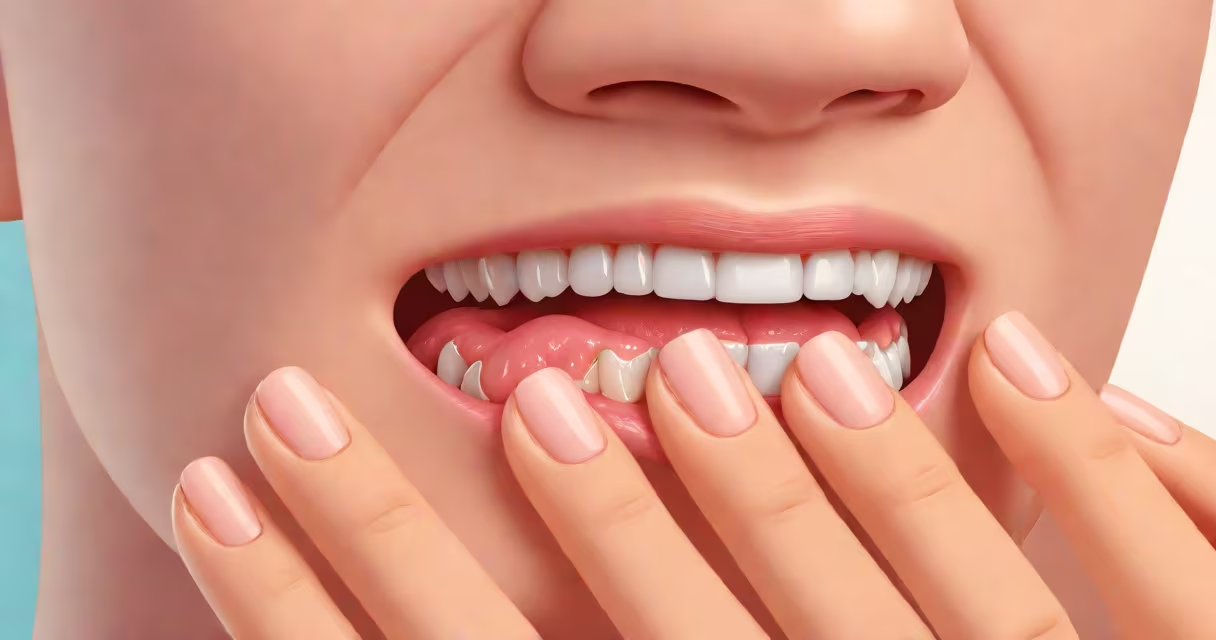
Sensitive teeth from sinuses result from referred pain due to maxillary sinus inflammation, where pressure builds in the sinuses above the upper jaw and triggers nerve signals interpreted by the brain as tooth pain. This phenomenon occurs because the trigeminal nerve supplies both the sinuses and upper teeth, leading to mislocalization of discomfort.
When the maxillary sinuses become inflamed-often from a viral cold, bacterial infection, or allergies-the surrounding tissues swell. This swelling increases pressure against the roots of the upper molars and premolars, which share sensory nerves with the sinus lining. As a result, patients may feel sharp, throbbing, or dull pain in the back teeth that worsens when bending forward or lying down. The sensation often feels like tooth decay or enamel erosion, but no dental damage exists.
A 2021 study published in the Journal of Oral Rehabilitation confirmed that 68% of patients reporting unexplained upper molar pain had underlying sinus pathology upon CT imaging, with symptoms resolving after sinus treatment. The American Academy of Otolaryngology-Head and Neck Surgery notes that sinus-related tooth pain typically affects only one side of the mouth and rarely involves lower teeth.
The trigeminal nerve, specifically its maxillary branch (V2), innervates both the upper teeth and the maxillary sinuses. Because these areas share neural pathways, pain originating in the sinuses can be perceived as coming from the teeth. This is known as referred pain-a common neurological mechanism where the brain misattributes the source of a signal.
For example, someone with chronic sinusitis may wake up with a persistent ache in their left upper molar. They visit a dentist, who finds no cavities, gum disease, or enamel wear. After a referral to an ENT specialist, a CT scan reveals significant fluid buildup in the left maxillary sinus. Once treated with antibiotics and nasal irrigation, the tooth pain disappears within five days.
This pattern repeats across clinical records: patients describe "toothaches" that last weeks, respond poorly to dental treatments, and improve only after addressing sinus health. The pain often intensifies during air travel or changes in barometric pressure due to trapped sinus air.
Not all sinus-related tooth pain presents the same way. The following table outlines key differences between true dental sensitivity and sinus-driven discomfort:
| Feature | True Dental Sensitivity | Sinus-Related Tooth Pain |
|---|---|---|
| Location | Localized to specific teeth; often bilateral | Usually unilateral; affects upper molars and premolars |
| Pain Pattern | Triggered by hot/cold, sweets, brushing | Constant; worsens with head movement or lying down |
| Duration | Days to weeks; stable unless new exposure | Fluctuates with sinus congestion; improves with decongestion |
| Associated Symptoms | Visible decay, gum recession, bleeding | Nasal congestion, facial pressure, postnasal drip |
Common triggers include seasonal allergies, colds lasting more than 10 days, dental procedures involving the upper jaw, and high-altitude travel. A 2019 review in the International Journal of Dentistry found that 34% of patients with recurrent upper molar pain had undiagnosed sinus issues before referral.
Many people assume that any tooth pain must stem from a cavity or gum disease. However, when pain persists despite clean X-rays and normal pulp testing, sinus origin becomes a likely explanation. A key distinction is that dental sensitivity usually responds to desensitizing toothpaste or fluoride treatments. Sinus-induced pain does not.
Another misconception is that sinus infections always cause fever or thick yellow mucus. Some cases involve only pressure and tooth pain, especially in individuals with mild immune responses or chronic sinus conditions. These patients may go months without seeking care, mistaking the issue for stress or bruxism.
One non-obvious fact: the maxillary sinus is located directly beneath the eye socket and above the upper jaw. Its proximity to the roots of the upper molars makes it uniquely capable of causing dental-like sensations. Even minor swelling can compress nearby nerves, producing pain that feels indistinguishable from a cracked tooth.
If tooth pain lasts longer than two weeks without improvement from dental care, or if it's accompanied by nasal congestion, facial swelling, or headaches, consult an otolaryngologist (ENT). Imaging such as a CT scan of the sinuses can confirm inflammation or polyps. Treatment may include nasal corticosteroids, saline rinses, or antibiotics if bacterial infection is present.
I once saw a patient with persistent left upper molar pain who had undergone three root canals and two crown placements-all ineffective. After a referral, a CT scan revealed a mucocele (mucus-filled cyst) in the maxillary sinus. Removal of the lesion resolved the pain completely. This case illustrates how easily sinus issues are overlooked in dental settings.
Sensitive teeth from sinuses are not a dental problem-they are a neurological misinterpretation of sinus pressure. Recognizing the difference prevents unnecessary dental work and speeds recovery. If your tooth pain doesn't respond to standard treatments, consider the sinuses as the source.