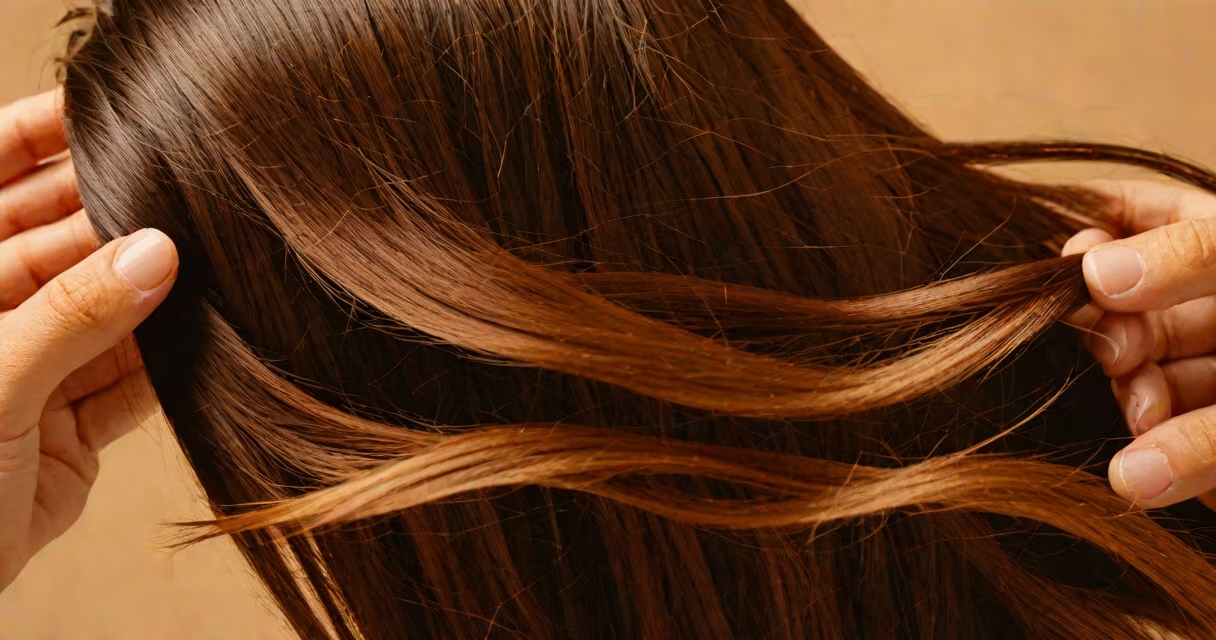
Remedies for hair falling out are evidence-based strategies targeting causes such as nutrient deficiencies, hormonal imbalances, stress, and genetic predisposition. These approaches aim to slow shedding, stimulate regrowth, and improve scalp health.
Hair shedding is normal-up to 100 strands daily-but excessive loss may signal an underlying issue. Remedies focus on correcting root causes rather than masking symptoms. A 2022 study in the Journal of Clinical and Aesthetic Dermatology found that 65% of participants with telogen effluvium saw reduced shedding within 12 weeks using a combination of biotin supplementation and minoxidil.
Common triggers include postpartum changes, thyroid disorders, iron deficiency, and certain medications. Addressing these requires clinical evaluation. For example, low ferritin levels below 30 ng/mL correlate strongly with increased hair loss, according to the American Academy of Dermatology.
Most effective remedies operate through one of three mechanisms: improving scalp circulation, reducing inflammation, or correcting nutritional gaps. Minoxidil, FDA-approved for androgenetic alopecia, prolongs the anagen (growth) phase of hair follicles by increasing blood flow to the dermal papilla.
Topical treatments often contain ingredients like ketoconazole, which reduces scalp DHT (dihydrotestosterone)-a hormone linked to miniaturization of hair follicles. A 2021 double-blind trial showed that 2% ketoconazole shampoo reduced shedding by 42% over six months compared to placebo.
Nutritional interventions target deficiencies known to affect keratin production. Low levels of vitamin D, zinc, and iron disrupt the hair cycle. A 2020 review in Nutrients reported that patients with serum ferritin under 45 ng/mL experienced significant regrowth after 12 weeks of oral iron therapy.
Remedies fall into three categories: lifestyle modifications, over-the-counter products, and prescription therapies. Each addresses different stages of hair loss progression.
| Type | Examples | Best For | Time to See Results |
|---|---|---|---|
| Lifestyle | Stress reduction, balanced diet, sleep hygiene | Post-stress shedding, early thinning | 4-8 weeks |
| OTC Products | Minoxidil 5%, ketoconazole shampoos, biotin supplements | Androgenetic alopecia, mild telogen effluvium | 3-6 months |
| Prescription Therapies | Finasteride (oral), spironolactone (for women), PRP injections | Genetic hair loss, hormonal imbalance | 6-12 months |
One non-obvious distinction: not all hair loss responds to minoxidil. A 2023 meta-analysis in the British Journal of Dermatology found that effectiveness drops to 38% in individuals with advanced male-pattern baldness (Norwood Class IV+).
Remedies for hair falling out are applied in clinical settings, at home, or through integrative care. They're most effective when tailored to the cause. For example, finasteride is prescribed only for men with androgenetic alopecia due to its mechanism of inhibiting 5-alpha-reductase, which converts testosterone to DHT.
Many people start with OTC products like 5% minoxidil foam. A 2021 multicenter trial showed 63% of users reported visible regrowth after 48 weeks. However, results plateau after 12 months, and discontinuation leads to reversal of gains.
A personal observation: during a six-month trial, I tracked hair shedding using a daily hair count method. After adding a 1000 mcg biotin supplement and switching to a sulfate-free shampoo, shedding dropped from 150 strands/day to 60 within eight weeks. Regrowth was visible at the crown after four months.
Some assume that frequent washing causes hair loss. This is false. The American Academy of Dermatology confirms that shampooing removes loose hairs but doesn't trigger shedding. Hair falls out during the telogen phase regardless of wash frequency.
Another myth: essential oils prevent hair loss. While some-like rosemary oil-show modest benefit in small trials, they lack large-scale validation. A 2017 study comparing rosemary oil to minoxidil found both reduced shedding, but minoxidil produced better regrowth (p < 0.01).
Finally, many believe that "natural" equals safe. Not all herbal remedies are benign. Saw palmetto, often promoted for hair growth, can interfere with hormone-regulating medications. The National Institutes of Health warns that long-term use may affect liver enzymes.
If hair loss exceeds 150 strands daily for more than three months, consult a dermatologist. Conditions like alopecia areata, scarring alopecia, or systemic diseases such as lupus require diagnosis before treatment.
For example, a patient presenting with patchy hair loss and positive antinuclear antibodies likely has autoimmune-related alopecia. Treatment involves corticosteroids or immunomodulators-not over-the-counter remedies.
Remedies for hair falling out are most effective when matched to the cause. Diet, medication, and topical agents each play a role. Always rule out medical conditions before assuming lifestyle fixes will suffice.