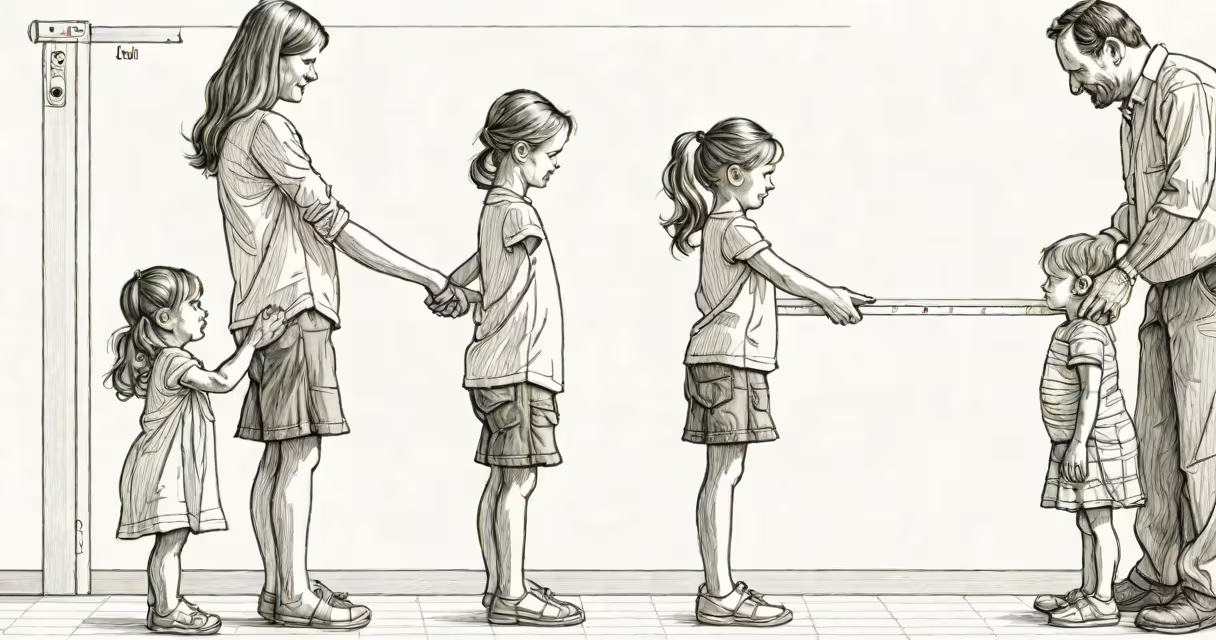
The physical growth of a preschooler describes the steady increase in height, weight, and motor skill development observed in children aged 3 to 5 years. This phase follows rapid infancy gains and involves consistent, predictable changes in size and coordination.
During this period, children grow approximately 2 to 3 inches per year and gain 4 to 6 pounds annually. These changes are tracked using standardized growth charts from the Centers for Disease Control and Prevention (CDC) and the World Health Organization (WHO), which compare individual progress against population averages.
Physical growth of a preschooler is not just about numbers-it reflects underlying biological processes like bone elongation, muscle development, and nervous system maturation. Growth velocity slows compared to infancy but remains stable through early childhood, making regular monitoring essential for identifying deviations.
Growth is assessed using three primary metrics: height, weight, and head circumference. Height and weight are plotted on percentile curves based on age and sex. A child in the 50th percentile is average; those above the 90th or below the 10th may require further evaluation.
Head circumference is monitored until age 2. After that, it's less predictive of brain development. For preschoolers, focus shifts to linear growth and body mass index (BMI) percentiles. A BMI above the 95th percentile indicates overweight status, according to CDC guidelines.
Doctors measure height with a stadiometer and weight with calibrated scales. Measurements are taken during routine well-child visits every 6 to 12 months. Consistent tracking reveals trends-such as a sudden drop in growth velocity-that may signal nutritional deficiencies, chronic illness, or hormonal imbalances.
By age 3, most children reach about 3 feet 6 inches tall and weigh around 30 pounds. By age 5, they average 4 feet tall and 40 pounds. These figures represent national averages and vary slightly by ethnicity and gender.
Motor development accompanies physical growth. At age 3, children typically ride tricycles, jump with both feet, and climb stairs alternating feet. By age 4, they can hop on one foot, throw a ball overhead, and catch it. At 5, they often skip, balance on one foot for 5 seconds, and perform basic dance steps.
Fine motor skills also advance. Preschoolers begin drawing recognizable shapes-circles, squares, crosses-and can hold crayons with a tripod grip. They start buttoning clothes, using scissors with guidance, and turning doorknobs independently.
| Age | Avg. Height | Avg. Weight | Motor Skills |
|---|---|---|---|
| 3 years | 3 ft 6 in (107 cm) | 30 lb (13.6 kg) | Rides tricycle, jumps with both feet, climbs stairs alternating feet |
| 4 years | 3 ft 10 in (117 cm) | 38 lb (17.2 kg) | Hops on one foot, throws ball overhead, catches with hands |
| 5 years | 4 ft 0 in (122 cm) | 40 lb (18.1 kg) | Skips, balances on one foot for 5 sec, uses scissors safely |
Parents often assume that a child who eats poorly must be underweight. But growth is influenced by genetics, hormones, and health-not just food intake. A child with a normal appetite and steady growth curve may still fall below the 10th percentile due to inherited short stature.
Another misconception is that growth spurts happen suddenly. In reality, physical growth of a preschooler occurs gradually. A child gaining 2 inches over six months is within normal limits. Rapid changes in height or weight over weeks may indicate underlying issues such as thyroid dysfunction or chronic illness.
Red flags include a drop in growth velocity below the 5th percentile, failure to meet expected milestones, or asymmetry in limb development. For example, if a child consistently walks on tiptoes past age 3, it may signal neurological or muscular concerns. Persistent refusal to eat or frequent vomiting can lead to poor weight gain and should prompt medical evaluation.
Tracking the physical growth of a preschooler is not about comparing to others-it's about understanding individual patterns. A child growing steadily along their own percentile curve is healthy, even if they're in the 25th percentile.
I once observed a 4-year-old boy whose parents were concerned because he was shorter than his peers. His pediatrician reviewed his growth chart and confirmed he had been at the 15th percentile since age 2. He was eating well, meeting milestones, and had no signs of illness. The doctor reassured the family that this was likely familial short stature-a common, benign condition. No intervention was needed.
For accurate assessment, use CDC growth charts available online. These tools account for age, sex, and ethnicity. Always consult a healthcare provider if a child falls off their growth curve or misses developmental milestones. Early detection improves outcomes for conditions like growth hormone deficiency or celiac disease.