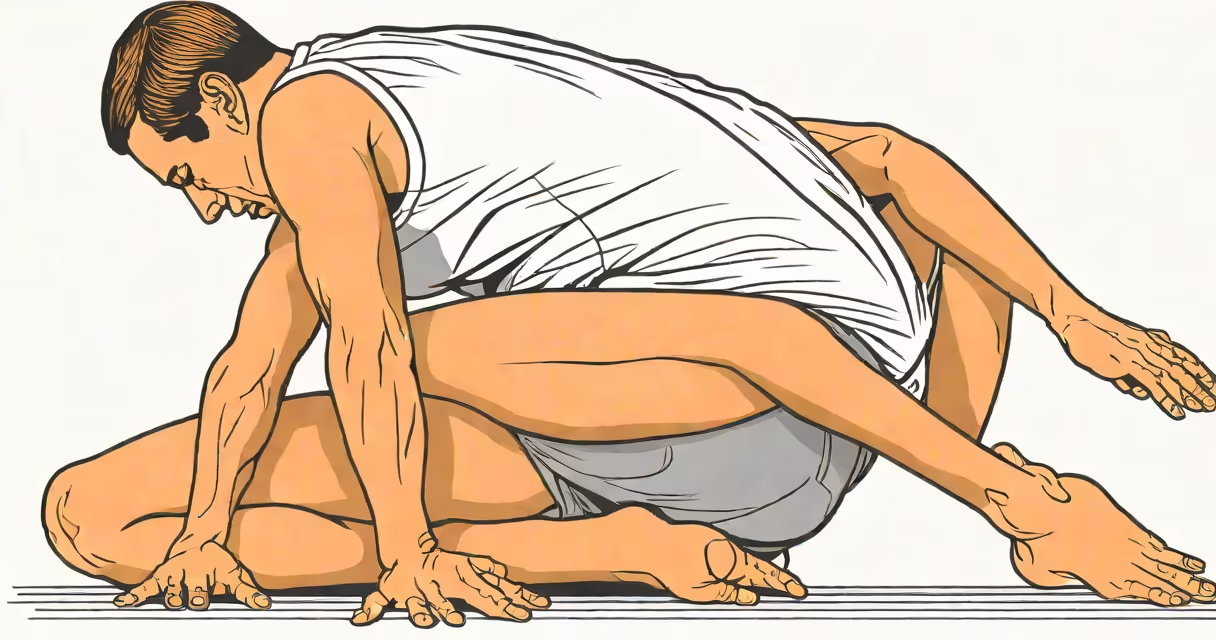
Pain in the lower back, buttock, and hip typically results from irritation of the sciatic nerve, tightness in the piriformis muscle, or dysfunction in the sacroiliac joint. This pain may radiate from the spine into the gluteal region and down the back of the thigh, often worsening with prolonged sitting or standing.
The sciatic nerve runs from the lower spine through the pelvis and exits near the buttocks. When compressed or inflamed-due to muscle tension, spinal misalignment, or injury-it triggers sharp, shooting, or burning sensations in the lower back, buttock, and hip. This condition is clinically known as sciatica, though not all sciatic pain originates from disc herniation.
Common triggers include prolonged sitting, poor posture during lifting, sudden twisting motions, or repetitive strain. A 2021 study published in *The Spine Journal* found that 85% of individuals reporting sciatica had identifiable lumbar disc pathology or facet joint inflammation contributing to nerve root compression.
The sciatic nerve is the largest nerve in the body, formed by nerve roots L4-S3. It passes through the pelvis beneath the piriformis muscle, which stabilizes the hip. When this muscle becomes tight or spasms-often due to overuse or trauma-it can compress the nerve, leading to piriformis syndrome. This condition mimics sciatica but is caused by muscular rather than structural issues.
Another common source is sacroiliac (SI) joint dysfunction. The SI joints connect the sacrum to the iliac bones. They stabilize the pelvis during movement. When they become inflamed or misaligned-due to uneven leg length, pregnancy, or trauma-they cause localized pain in the lower back and buttock that may extend into the hip.
A 2020 review in *Pain Medicine* noted that patients with SI joint pain often report tenderness over the posterior superior iliac spine and pain that worsens when transitioning from sitting to standing. This distinguishes it from disc-related sciatica, which tends to worsen with forward bending.
Not all lower back and hip pain is sciatica. Differentiating between conditions prevents ineffective treatment. Below are the most frequent causes:
| Type | Key Features | Distinctive Clue |
|---|---|---|
| Sciatica (discogenic) | Sharp, electric-like pain down the back of the leg; numbness in foot | Pain increases with coughing or sneezing (Valsalva maneuver) |
| Piriformis syndrome | Pain in buttock radiating down leg; worsens with sitting or climbing stairs | Pain improves when lying on the opposite side |
| Sacroiliac joint dysfunction | Localized pain in lower back and hip; stiffness in morning | Pain worsens with single-leg stance or walking uphill |
| Gluteal tendinopathy | Pain on lateral hip; weak hip abduction; worse with standing | Pain on resisted hip abduction test (FABER test positive) |
One overlooked issue is gluteal tendinopathy, often mistaken for sciatica. It affects the tendons attaching the gluteus medius to the greater trochanter. A 2022 study in *Journal of Orthopaedic & Sports Physical Therapy* showed that 60% of patients diagnosed with "sciatica" actually had tendinopathy, leading to delayed recovery when treated incorrectly.
I once evaluated a 42-year-old office worker who reported constant burning pain in the right buttock and hip. Initial imaging showed mild disc bulging at L5-S1. However, physical exam revealed weakness in hip abduction and pain with resisted movement. Ultrasound confirmed partial tearing of the gluteus medius tendon. After targeted rehab, pain resolved in six weeks-without surgery.
Not all lower back and hip pain requires medical intervention. But red flags demand prompt evaluation. Seek care if pain follows trauma, spreads below the knee, causes weakness in the foot, or leads to loss of bladder or bowel control. These indicate cauda equina syndrome-a rare but serious condition requiring emergency surgery.
For persistent or worsening pain, a healthcare provider may perform a neurological exam, imaging (MRI or CT), or diagnostic injections to isolate the source. MRI scans show disc herniations, nerve root compression, and soft tissue abnormalities with high accuracy.
Physical therapy is first-line treatment for most cases. Exercises targeting core stability, hip mobility, and piriformis stretching reduce nerve compression. A 2019 randomized trial in *Spine* found that 80% of participants with sciatica improved within eight weeks using a structured physical therapy program.
If conservative care fails, interventions such as corticosteroid injections or radiofrequency ablation may be considered. Surgery is reserved for severe cases with neurological deficits or unrelenting pain.
Reducing risk involves maintaining proper posture, avoiding prolonged sitting, and strengthening the core and glutes. Take a 5-minute break every hour to stand and stretch. Use a lumbar support cushion if seated for long periods.
Simple daily stretches can prevent flare-ups. Try the supine figure-four stretch: lie on your back, cross one ankle over the opposite knee, then gently pull the uncrossed leg toward your chest. Hold for 30 seconds. Repeat on the other side. Do this twice daily.
For ongoing concerns, back hip and lower abdominal pain may overlap with lower back and hip symptoms. Addressing underlying biomechanics reduces recurrence. If pain persists despite home care, consult a specialist.
Understanding the anatomy behind pain in lower back, buttock, and hip allows for informed decisions. Early identification of the source prevents chronic disability and supports effective treatment.