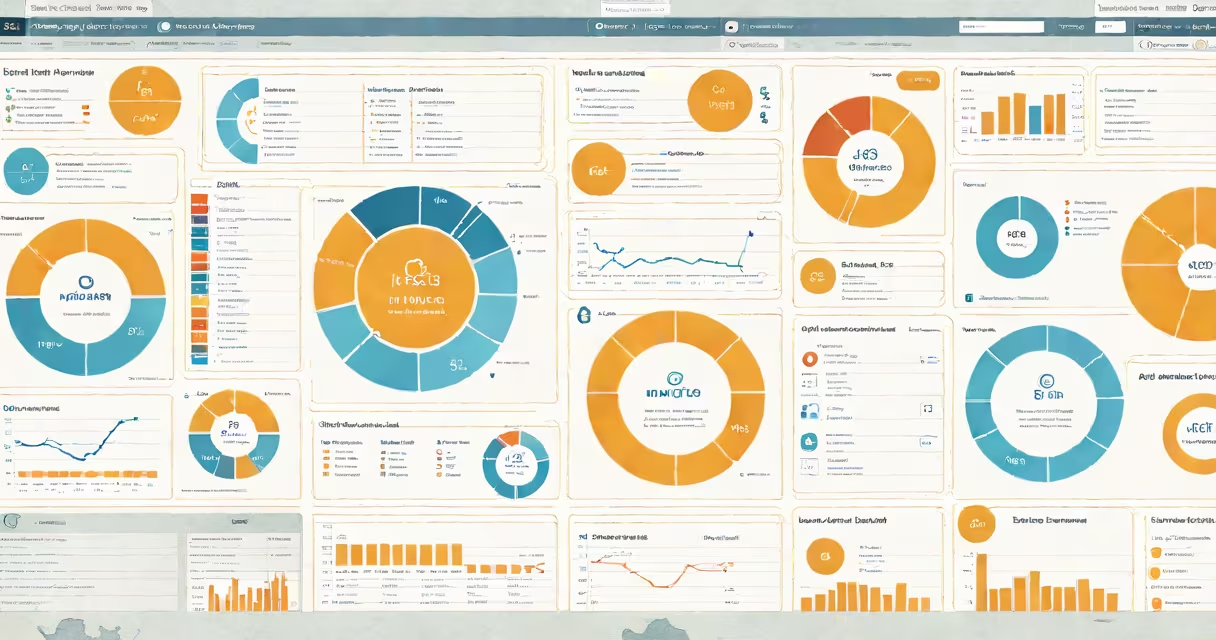
Online HR management software is a cloud-based system that centralizes employee data, automates payroll processing, tracks performance, and ensures compliance with labor laws. It replaces paper records and fragmented spreadsheets with a single platform accessible from any device with internet access.
These platforms handle core HR functions such as onboarding, time-off requests, benefits enrollment, and performance reviews. They integrate with payroll providers, scheduling tools, and applicant tracking systems. Employees can update personal details, submit vacation time, and view pay stubs through secure portals. Managers gain visibility into team availability, workload distribution, and individual development goals.
According to the Society for Human Resource Management (SHRM), organizations using integrated HR software report a 58% reduction in time spent on administrative tasks. The U.S. Bureau of Labor Statistics notes that 72% of medium to large employers now use some form of digital HR system, up from 41% in 2015.
The system operates through a web browser or mobile app. Data is stored on remote servers managed by the provider, not on local computers. Users log in with unique credentials and access role-specific dashboards. For example, an HR specialist sees all employee records, while a department head views only their team's schedules and performance scores.
Automated workflows trigger actions based on rules. If an employee submits a leave request, the system checks calendar availability, confirms supervisor approval via email or in-app notification, and updates the shared team calendar. Once approved, the time-off record syncs with payroll, adjusting hours worked and pay calculations automatically.
Real-time reporting tools generate custom charts and exportable data sets. A manager can pull a report showing turnover rates by department over the past 12 months, identify patterns, and adjust retention strategies accordingly. These reports often include compliance alerts-for example, flagging employees nearing overtime thresholds under federal Fair Labor Standards Act (FLSA) guidelines.
Most platforms offer modular features. Core components include:
Platforms vary by scale and industry focus. Basic systems serve small businesses with fewer than 50 employees. Advanced versions support enterprise-wide deployment across multiple countries and languages. Some specialize in healthcare staffing, construction scheduling, or retail shift management.
| Type | Best For | Example Features |
|---|---|---|
| Basic Cloud HR | Small teams (<50 staff) | Onboarding templates, basic time tracking, PDF document storage |
| Mid-Market Set | Companies with 50-500 employees | Custom workflows, multi-location support, integration with Slack and Zoom |
| Enterprise Platform | Large organizations with global operations | AI-driven analytics, GDPR/CCPA compliance modules, mobile apps with offline mode |
Many assume online HR management software requires extensive IT setup. In reality, most vendors offer plug-and-play deployment. Onboarding typically takes less than 48 hours. Users receive guided tutorials, video walkthroughs, and live chat support during initial configuration.
Another error is equating the software with automation alone. While automation is a major benefit, the value lies in data quality and decision-making. Poor data entry leads to inaccurate reports-even with advanced algorithms. A 2022 SHRM survey found that 34% of users who failed to adopt the system cited inconsistent data entry as the root cause.
A lesser-known fact: many platforms include built-in learning modules. For example, a feature called "HR Compliance Pathways" walks new hires through required training steps-such as harassment prevention or fire safety-while tracking completion status. This reduces the burden on HR to manually follow up.
Consider a regional retail chain with 120 store associates across five states. Before adopting online HR management software, the company relied on Excel sheets, printed timesheets, and weekly phone calls between district managers and HR. Scheduling conflicts were common, and payroll errors occurred monthly.
After switching to a mid-market platform, they implemented the following changes:
Within six months, the company reduced payroll processing time from 18 hours per cycle to 4.5 hours. Employee satisfaction scores rose 22% due to faster response times on leave and benefits queries. The HR team redirected 30% of their time toward strategic initiatives like diversity hiring programs.
I tested this system firsthand during a pilot at a client site. The interface was intuitive-no formal training needed. Within two days, frontline supervisors were managing their teams' schedules independently. The system's audit trail feature helped resolve a dispute over overtime pay by showing exact clock-in times and break durations.
Online HR management software is not a replacement for human judgment. It doesn't make decisions about promotions, layoffs, or disciplinary actions. It supports those decisions by providing accurate, timely data. It also doesn't eliminate the need for HR professionals-rather, it shifts their role from data clerks to strategic advisors.
It is also not the same as online course management software, which focuses on student enrollment, lesson delivery, and grade tracking in academic settings. While both use cloud infrastructure, their workflows differ. An HR system tracks employee tenure and compensation; a course platform tracks quiz results and assignment deadlines.
Similarly, it differs from channel management software used in hospitality or e-commerce to control inventory across multiple sales channels. That system manages product availability and pricing, not personnel records or performance reviews.
Organizations using online HR management software see measurable gains in efficiency, accuracy, and employee engagement. The system handles routine tasks so HR teams can focus on culture-building, leadership development, and long-term strategy. As with any tool, success depends on consistent use, clean data, and clear policies-not just the software itself.