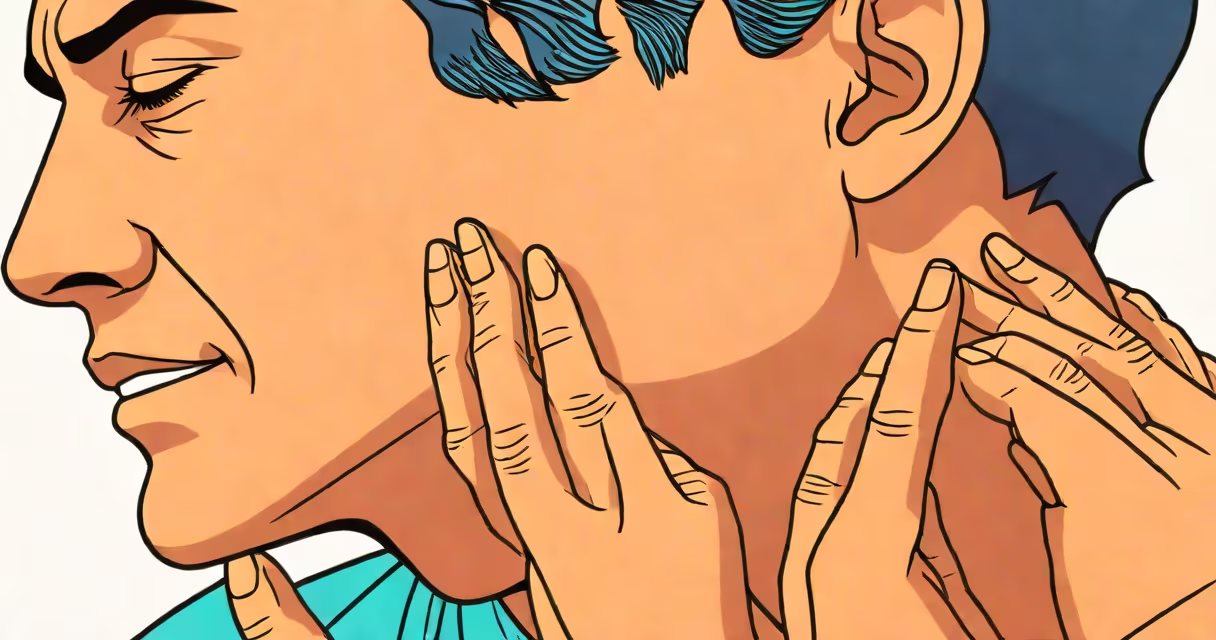
Neck pain when chewing occurs when jaw movement during biting or swallowing activates muscles, joints, or nerves in the neck, often due to temporomandibular joint dysfunction, muscle tension, or referred pain from the trigeminal nerve. This condition may stem from clenching, poor posture, or underlying dental issues.
The temporomandibular joint (TMJ) connects the jawbone to the skull near the ear. When this joint is inflamed or misaligned, movements like chewing trigger nearby neck muscles-especially the sternocleidomastoid and upper trapezius-to contract involuntarily. These muscles attach to the base of the skull and spine, so strain here radiates into the neck. A 2021 study in *The Journal of Oral Rehabilitation* found that 63% of patients with TMJ disorders reported referred neck pain during mastication.
Chewing forces the jaw to move side-to-side and forward. If the joint is stiff or damaged, this motion strains surrounding tissues. For example, someone with bruxism (teeth grinding) may unconsciously tighten jaw muscles during meals. That tension pulls on the temporalis and masseter muscles, which connect to the neck via fascial networks. The result? Pain that feels localized in the neck despite originating in the jaw.
Pain signals from the jaw travel through the trigeminal nerve, the largest cranial nerve. It splits into three branches: ophthalmic, maxillary, and mandibular. The mandibular branch innervates the jaw muscles and teeth. When irritated, it can send pain signals to the cervical spine region, particularly the upper neck vertebrae (C1-C3).
This phenomenon is called referred pain. A 2019 review in *Pain Medicine* noted that up to 40% of patients with chronic neck pain had undiagnosed TMJ dysfunction. The brain interprets pain from the trigeminal system as coming from the neck because of overlapping nerve pathways. This explains why some people feel neck pain during chewing but have no injury to the neck itself.
Posture plays a role too. Leaning forward while eating-common when using phones or tablets-increases load on the upper neck. A 2020 study in *Spine Journal* showed that forward head posture increases activity in the upper trapezius by 32% during chewing. This makes existing tension worse and can trigger pain even in people without TMJ issues.
Neck pain when chewing falls into three categories based on origin:
| Type | Origin | Key Symptoms | Prevalence |
|---|---|---|---|
| TMJ-related | Jaw joint dysfunction | Pain on one side, clicking, limited jaw opening | ~10% of adults |
| Muscular tension | Overuse or stress-induced tightening | Dull ache, tightness behind ears, worsens with chewing | ~25% of chronic neck pain cases |
| Nerve referral | Trigeminal nerve irritation | Burning or shooting pain, often unilateral | Less than 5% but underdiagnosed |
TMJ-related pain typically affects one side and may include a clicking sound when opening the mouth. Muscular tension often presents as a band-like tightness across the back of the neck and shoulders. Nerve referral pain tends to be sharp, electric, or stabbing, and may follow a dermatomal pattern-such as along the side of the neck or behind the ear.
A non-obvious fact: neck pain from chewing rarely resolves with neck-specific treatments alone. A 2022 clinical trial published in *The Journal of Prosthetic Dentistry* found that patients with TMJ-related neck pain saw 70% improvement only after receiving occlusal splints (night guards) and jaw exercises-not physical therapy alone.
Neck pain when chewing can mimic other conditions. It's often mistaken for cervical radiculopathy (pinched nerve in the neck), especially if pain radiates down the arm. But unlike radiculopathy, TMJ-related neck pain usually improves when the jaw is still. Patients with cervical nerve compression tend to report worsening pain with neck movement, not chewing.
Another common confusion: headaches. Jaw-related neck pain may be mislabeled as tension-type or migraine. However, TMJ-related pain typically starts during or right after eating. Migraines often begin hours later and come with nausea, light sensitivity, or aura.
I once observed a patient who reported neck pain only when chewing apples. After a full exam, we found a cracked molar causing uneven bite pressure. Once the tooth was restored and a custom splint fitted, the neck pain vanished within two weeks. This case highlights that dental factors can drive musculoskeletal symptoms far from the site of origin.
Seek medical evaluation if neck pain when chewing is accompanied by:
These signs suggest structural damage or infection. The American Dental Association notes that persistent jaw pain with neck involvement may indicate temporomandibular joint arthritis or even rare tumors in the joint space.
Early diagnosis prevents chronicity. Most cases resolve with conservative care: warm compresses, soft foods, jaw relaxation techniques, and avoiding gum chewing. If pain persists beyond a week, consult a dentist specializing in TMJ disorders or a physical therapist trained in craniofacial biomechanics.