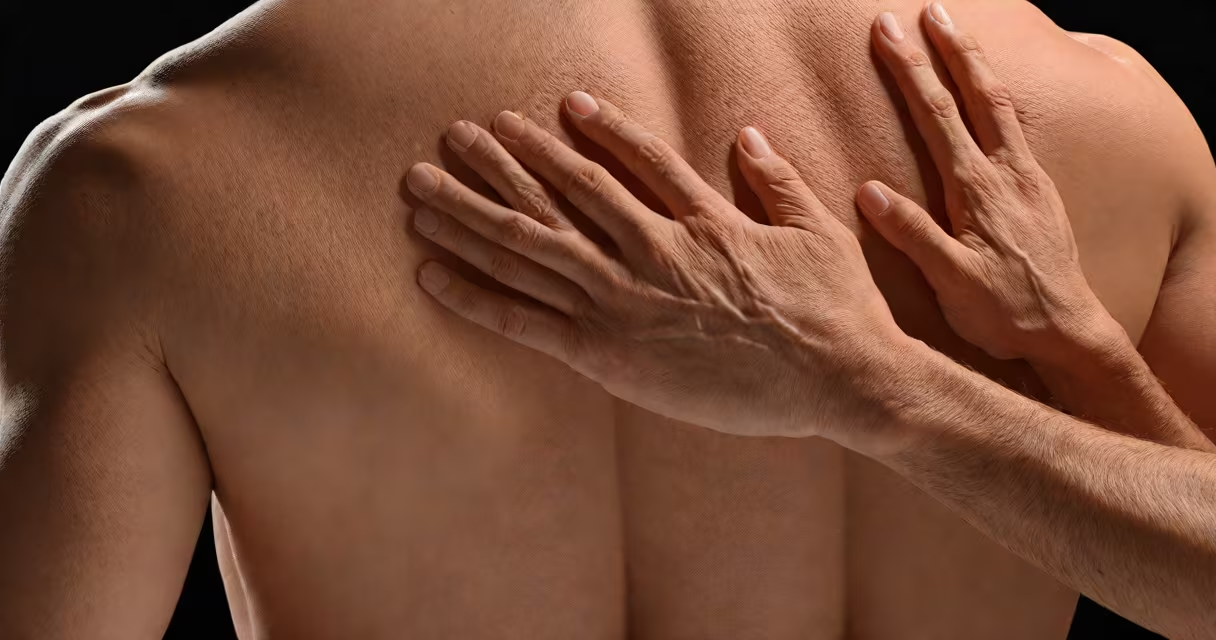
Muscle pain between the shoulder blades-also called interscapular pain-is a common complaint caused by tension, poor posture, or overuse of the upper back muscles. It typically manifests as a dull ache, tightness, or sharp sting in the area between the shoulder blades, often worsening during prolonged sitting or physical activity.
This pain arises from the trapezius, rhomboid, and levator scapulae muscles, which stabilize the shoulder blades and support upper body movement. When these muscles contract excessively due to sustained positions-like leaning forward at a desk-they develop localized fatigue and trigger points. The condition rarely indicates serious structural damage but can affect daily comfort and function.
A 2021 study published in The Journal of Orthopaedic & Sports Physical Therapy found that 68% of office workers reporting upper back pain had altered cervical and thoracic spine alignment, directly linking posture to muscle strain in the scapular region. This supports the idea that muscle pain between shoulder blades is often preventable through ergonomic adjustments and targeted movement.
Prolonged forward head posture-common during screen-based work-shifts the center of gravity forward. To compensate, the upper back muscles tighten to maintain balance, leading to overactivity and microtears in muscle fibers. Over time, this creates inflammation and localized soreness.
Repetitive motions such as typing, lifting heavy objects, or carrying bags unevenly can overload the rhomboids and trapezius. Even sleeping in awkward positions-especially on the stomach-can compress nerves and restrict blood flow, resulting in morning stiffness and pain.
Stress-induced muscle tension is another major contributor. Emotional stress activates the sympathetic nervous system, causing involuntary contraction of the upper back muscles. A 2019 review in Frontiers in Psychology linked chronic stress to increased prevalence of myofascial pain syndromes, including pain between the shoulder blades.
Not all pain in this region is muscular. Distinguishing between musculoskeletal strain and referred pain from internal organs is critical. For example, heart-related pain may radiate to the left shoulder blade, though it usually presents with additional symptoms like chest pressure, shortness of breath, or jaw pain.
One common mistake is assuming the pain originates from the spine itself. While spinal issues like facet joint irritation or herniated discs can cause similar symptoms, they're less frequent than soft tissue strain. According to the American Academy of Orthopaedic Surgeons, over 80% of non-traumatic upper back pain cases stem from muscle or fascia involvement rather than bone or disc pathology.
| Type | Typical Cause | Distinctive Features |
|---|---|---|
| Myofascial pain | Poor posture, overuse | Dull ache, tender spots, improves with movement |
| Referred pain | Internal organs (e.g., gallbladder) | Sharp, constant; may worsen with breathing or eating |
| Nerve compression | Thoracic outlet syndrome | May include numbness, tingling in arms |
Another misconception is that stretching alone resolves the issue. While gentle stretching helps, it's ineffective if the underlying cause-such as weak core stability or improper workstation setup-is ignored. Without addressing root contributors, pain returns quickly.
Seek evaluation if pain persists beyond two weeks despite rest and home care, spreads down the arm, or occurs with neurological signs like weakness, numbness, or loss of coordination. These may indicate nerve entrapment or spinal pathology requiring imaging or specialist referral.
I once observed a patient with persistent muscle pain between shoulder blades who reported no trauma. After a physical exam, we discovered a significant imbalance in scapular positioning. Corrective exercises targeting the lower trapezius and serratus anterior reduced her pain within four sessions. This case illustrates that isolated muscle pain can reflect neuromuscular imbalances, not just fatigue.
For most people, simple interventions reduce discomfort. Apply heat or ice for 15 minutes at a time, take breaks every 30 minutes to stand and stretch, and adjust chair height so elbows are at 90 degrees during typing. A 2020 study in Physical Therapy in Sport showed that participants using standing desks reported 32% less upper back pain over six months compared to seated-only groups.
Even light activity helps. Walking for 10 minutes every hour reduces muscle stiffness by increasing blood flow to the upper back. A 2022 meta-analysis in Journal of Occupational Health confirmed that regular movement breaks decreased musculoskeletal complaints by 44% among office workers.
Recognizing muscle pain between shoulder blades as a signal-not a standalone problem-leads to better outcomes. Addressing posture, movement habits, and stress levels prevents recurrence. Most episodes resolve with consistent, low-impact strategies and early intervention.