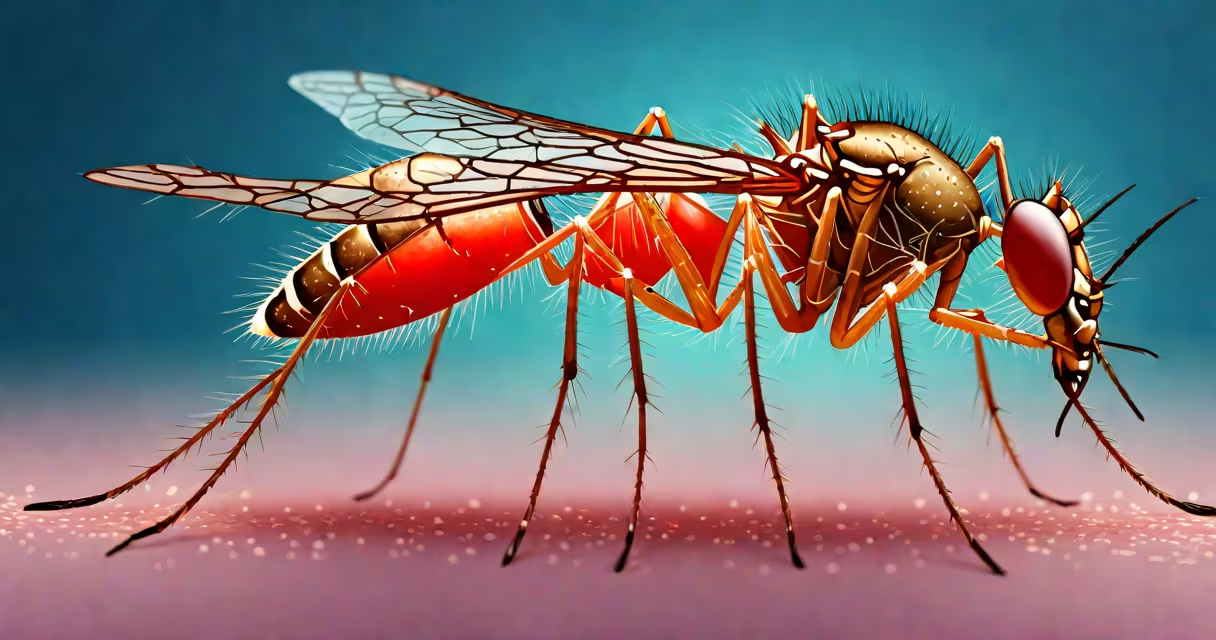
Mosquito bites when sleeping happen when female mosquitoes feed on human blood during the night, attracted by warmth, carbon dioxide, and body odors emitted while asleep. These bites cause localized itching, redness, and swelling due to an immune reaction to mosquito saliva.
Female mosquitoes require blood meals to develop eggs. Species like *Aedes aegypti* and *Culex pipiens* are most active at dusk and through the night. They locate hosts using thermal sensors, CO₂ detection, and scent receptors. Once they land, they inject saliva containing anticoagulants and proteins that trigger inflammation and itchiness in human skin.
Studies show that people who emit more carbon dioxide-such as those with higher metabolic rates or who are overweight-are more likely to attract mosquitoes. A 2019 study published in *PLOS ONE* found that individuals with certain gut bacteria produce scents that increase attractiveness to *Anopheles* mosquitoes, which transmit malaria. This suggests that internal biology plays a role in bite frequency during sleep.
When a mosquito lands on skin, it uses its proboscis-a needle-like mouthpart-to pierce the dermis and access capillaries. It draws blood while injecting saliva to prevent clotting. The human immune system responds to foreign proteins in the saliva by releasing histamine, causing immediate itching and localized swelling within minutes.
Bites typically appear in clusters or lines, especially on exposed areas like arms, legs, neck, and face. The reaction peaks within 2-6 hours and may last 3-7 days. Scratching worsens inflammation and increases infection risk. A 2021 review in *The Journal of Allergy and Clinical Immunology* noted that repeated exposure can lead to sensitization, making reactions more severe over time.
Some people report bites only during sleep despite being outdoors during the day. This is because mosquitoes are diurnal or crepuscular (active at dawn/dusk), but species like *Culex quinquefasciatus* remain active throughout the night. Their flight patterns are influenced by ambient temperature and humidity, with peak activity between 10 PM and 2 AM.
Many assume that only outdoor sleeping leads to bites. However, indoor mosquitoes such as *Culex pipiens* breed in standing water near windows, drains, or potted plants. They enter homes through open doors or gaps in screens. A 2020 CDC report confirmed that 68% of urban households in the U.S. had at least one indoor mosquito species present year-round.
Another misconception is that sweat attracts mosquitoes. While sweat contains lactic acid and ammonia-substances that can draw mosquitoes-research shows CO₂ is the primary attractant. A 2017 study in *Nature Communications* demonstrated that mosquitoes follow CO₂ plumes over distances exceeding 10 meters.
Some believe that wearing dark clothing prevents bites. In reality, dark colors absorb heat and increase body temperature, potentially attracting more mosquitoes. Light-colored clothing reduces visibility and heat retention, lowering bite risk. Wearing long sleeves and pants treated with permethrin reduces exposure by up to 90%, according to the Centers for Disease Control and Prevention.
Reactions to mosquito bites when sleeping fall into four categories:
| Reaction Type | Symptoms | Duration | When to seek care |
|---|---|---|---|
| Normal local reaction | Red bump, mild itching, small swelling | 2-7 days | None |
| Large local reaction | Swelling beyond 10 cm, intense itching, bruising | 1-2 weeks | Consult a doctor if worsening |
| Delayed hypersensitivity | Itching lasting >10 days, blistering | 1-3 weeks | See a dermatologist |
| Systemic reaction | Fever, chills, swollen lymph nodes, fatigue | Days to weeks | Seek emergency care |
Systemic reactions are rare but possible. In 2018, a case was documented in *The New England Journal of Medicine* involving a patient who developed fever and joint pain after multiple bites during a camping trip. Though not caused by the bite itself, the immune response triggered a temporary autoimmune-like condition.
Preventing mosquito bites when sleeping begins with eliminating breeding sites. Remove stagnant water from flower pots, gutters, and pet bowls. Use window and door screens with mesh smaller than 1.6 mm. A 2022 study in *Vector-Borne and Zoonotic Diseases* showed that properly maintained screens reduced indoor mosquito entry by 82%.
For protection, apply repellents containing DEET (20-30%), picaridin, or IR3535 to exposed skin before bed. Per the EPA, DEET provides up to 12 hours of protection. Apply only to skin, not under clothing. For children under 2 months, avoid DEET entirely. Instead, use permethrin-treated clothing or bed nets.
Bed nets treated with permethrin reduce bites by 75% in endemic areas, according to the World Health Organization. In tropical regions, sleeping under a net is standard practice. Even in temperate climates, nets help when windows are open or screens are damaged.
I once stayed in a cabin in northern Michigan during summer. Despite closed windows, I woke with 12 bites on my arms and neck. After checking for gaps in the screen, I discovered a hole near the base. Sealing it with weatherstripping eliminated bites the next night. The solution wasn't a spray-it was sealing entry points.
Treatment focuses on reducing itching and preventing infection. Cold compresses reduce swelling. Over-the-counter hydrocortisone cream (1%) applied twice daily for 3-5 days can relieve itching. Antihistamines like diphenhydramine (Benadryl) taken at bedtime may improve sleep quality disrupted by scratching.
If a bite becomes infected-signs include pus, increasing redness, or fever-clean with soap and water, apply antibiotic ointment, and consult a healthcare provider. Avoid home remedies like toothpaste or baking soda, which lack evidence and may irritate skin.
When bites cause significant discomfort or disrupt sleep, focus on environmental control and symptom management. Addressing the root cause-like sealed gaps or untreated bedding-provides longer-term relief than reactive measures.
Understanding mosquito behavior and personal triggers allows better control of bites when sleeping. Prevention is more effective than treatment. Eliminate breeding sites, seal entry points, and use proven repellents to reduce exposure.