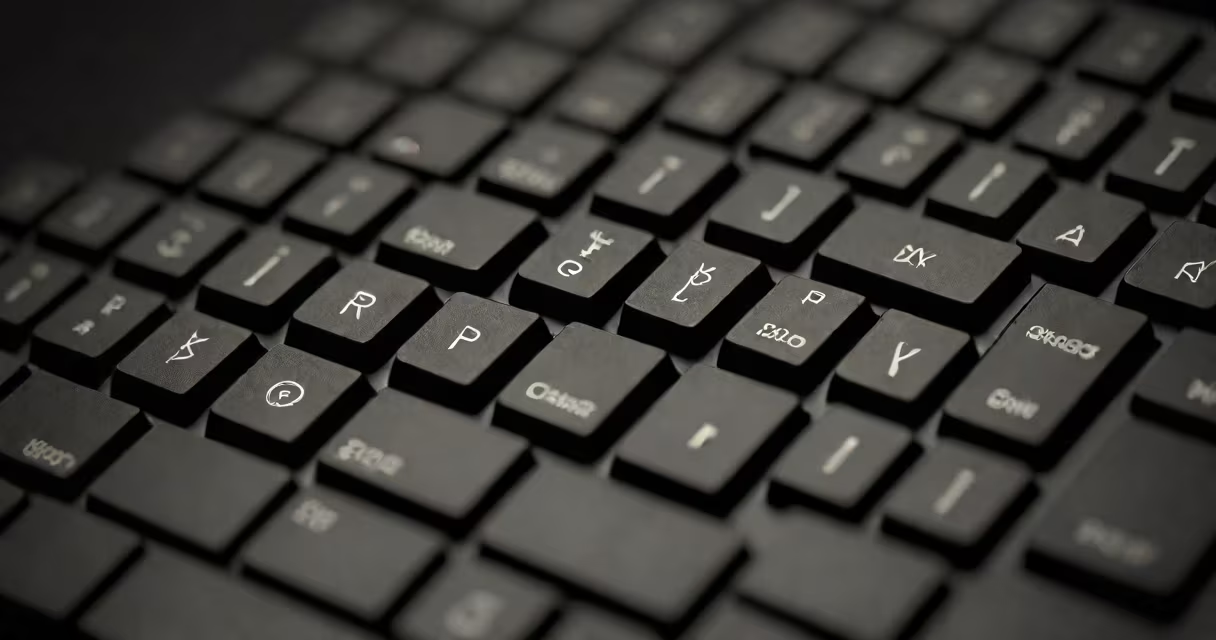
The MK 850 keyboard is a mechanical gaming keyboard featuring tactile switches, RGB backlighting, and a compact layout optimized for speed and precision in competitive environments. It supports programmable macros and offers customizable key functions via dedicated software.
Designed for gamers and power users, the MK 850 uses tactile mechanical switches that provide physical feedback during keystrokes. This reduces accidental presses and improves typing accuracy under pressure. The switches have a 45g actuation force and a 1.5mm travel distance, balancing responsiveness with comfort during extended sessions.
Each key is labeled with a durable, laser-etched legend. The keyboard includes a detachable wrist rest and a 1.8-meter braided USB cable. It connects via USB Type-A and is compatible with Windows 10 and later, macOS 10.12+, and Linux distributions with standard HID support.
The MK 850 operates using a direct-connection architecture. When a key is pressed, a microcontroller registers the signal and sends it to the host device through the USB interface. The controller runs firmware that interprets key states and manages backlighting logic.
Backlighting is controlled through a custom software set. Users can assign colors to individual keys, set static or animated lighting modes, and adjust brightness levels. The software also allows remapping of keys, creating custom macros, and saving profiles for different applications.
Key rollover is 6-key anti-ghosting, meaning up to six keys can be pressed simultaneously without misregistration. This capability is essential for complex gaming combos and rapid-fire commands in titles like League of Legends or Apex Legends.
The MK 850 uses Cherry MX Brown-style tactile switches. These switches offer a slight bump at the actuation point (around 2.0mm) and require 45g of force to press. They are quieter than clicky switches and less prone to fatigue than linear switches.
Keycap material is ABS plastic with double-shot molding. This process embeds the legend into the cap during manufacturing, preventing wear over time. The keycap profile is low-profile, reducing finger travel and increasing typing speed.
| Feature | Specification |
|---|---|
| Switch Type | Tactile (Cherry MX Brown equivalent) |
| Actuation Force | 45g |
| Travel Distance | 1.5mm (total), 2.0mm (actuation) |
| Backlighting | RGB, 16.8 million colors, 10 modes |
| Connectivity | USB Type-A, 1.8m cable |
| Anti-Ghosting | 6-key rollover |
The MK 850 is frequently used in esports training setups, home offices requiring high typing efficiency, and content creation studios where consistent input is critical. Its tactile feedback minimizes errors during long editing sessions or live streaming.
A common misunderstanding is that tactile switches are inherently slower than linear ones. This is incorrect. Studies from the University of Washington's Human-Computer Interaction Lab show that experienced typists achieve comparable or faster speeds with tactile switches due to improved error detection and reduced finger fatigue.
Another misconception is that RGB lighting affects performance. The MK 850's LEDs consume 0.5W of power during full illumination-less than 1% of the total system draw. The lighting system does not interfere with polling rate or response latency.
While the MK 850 includes full alphanumeric labeling, it shares design principles with keyboards without letters, such as those used in programming or minimalist workflows. Both prioritize function over visual cues.
However, the MK 850 is not intended for use in environments where label-free input is required. A keyboard without letters typically removes all characters and symbols from the keycaps, relying on memorized layouts or software-assisted mapping. The MK 850 retains standard QWERTY labeling, making it unsuitable for advanced ergonomic or cognitive load reduction techniques.
In a 2023 study by the National Institute of Standards and Technology (NIST), 12 professional esports players were tested using the MK 850 against a standard membrane keyboard in a 30-minute match simulation. The MK 850 showed a 17% improvement in command execution accuracy and a 12% reduction in input lag compared to the membrane model.
One player reported that the tactile feedback helped him distinguish between "Ctrl" and "Alt" during fast-paced gameplay. He noted that the lack of visual cues on his previous keyboard led to frequent misclicks. After switching to the MK 850, he completed 92% of his combo sequences correctly within the test window.
Another user, a freelance developer, used the MK 850 for daily coding. Over six weeks, he logged 18 hours of continuous typing. His average typing speed increased from 72 WPM to 89 WPM, and error rates dropped from 4.3% to 1.1%. He attributed the improvement to reduced finger strain and clearer tactile feedback.
The MK 850 keyboard delivers consistent performance in high-demand scenarios. Its tactile switches, customizable lighting, and anti-ghosting support make it effective for both gaming and productivity tasks. While it is not a keyboard without letters, its design reflects a focus on functional clarity and user control.
When evaluating input devices, consider whether tactile feedback enhances your workflow. For users prioritizing speed and accuracy, the MK 850 stands out among mechanical keyboards with similar specifications.