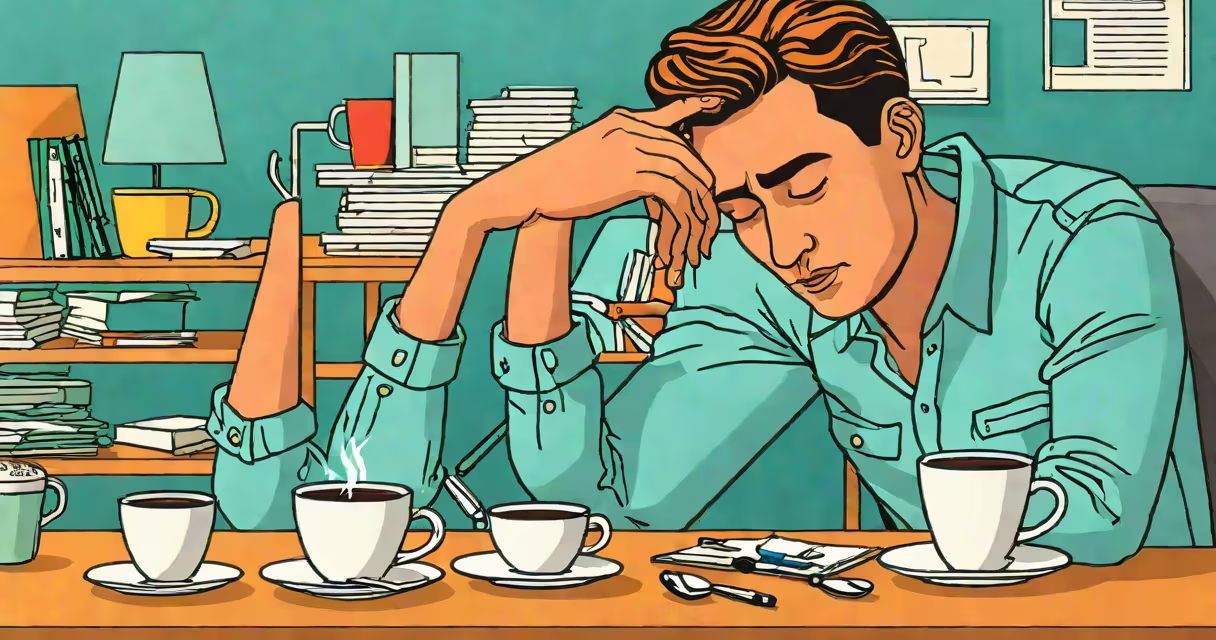
Major causes of fatigue include chronic sleep deprivation, iron deficiency anemia, hypothyroidism, untreated depression, and severe dehydration. These conditions disrupt energy metabolism, hormone balance, and neural function, leading to persistent tiredness that doesn't improve with rest.
Fatigue is not simply feeling tired after a long day. It's a sustained lack of energy that interferes with daily tasks. The body uses ATP for cellular work, and when systems fail to produce enough, fatigue results. This can stem from physical stressors like poor nutrition or underlying medical conditions.
The National Institutes of Health (NIH) notes that fatigue affects over 60 million Americans annually, often misattributed to lifestyle choices when it stems from treatable health issues. Fatigue is not a symptom-it's a signal. Ignoring it risks worsening undiagnosed conditions.
Energy production begins in mitochondria, the cell's powerhouses. When oxygen delivery drops or nutrient supply falters, mitochondrial efficiency declines. Low ATP levels reduce muscle performance and cognitive clarity. The brain interprets this as fatigue to encourage rest and recovery.
Neurotransmitters like dopamine and serotonin regulate alertness. Chronic stress or poor sleep lowers their availability. A 2021 study in *Sleep Medicine* found that participants sleeping less than six hours nightly showed 20% reduced attention span and 30% slower reaction times compared to those getting seven to nine hours.
When blood sugar fluctuates rapidly-due to skipping meals or insulin resistance-the brain struggles to maintain focus. This triggers cortisol release, which increases fatigue over time. The body prioritizes survival over performance during metabolic strain.
Iron deficiency anemia reduces hemoglobin, limiting oxygen transport. Without adequate oxygen, tissues cannot generate sufficient ATP. The American Society of Hematology reports that women aged 18-45 are twice as likely to develop iron-deficiency anemia due to menstrual blood loss.
Hypothyroidism slows metabolism. The thyroid gland produces T3 and T4 hormones that regulate energy use. When levels drop, cells burn fuel inefficiently. A 2020 study in *Thyroid* found that 70% of patients with untreated hypothyroidism reported daily fatigue, with improvement after levothyroxine treatment.
Depression alters brain chemistry. Reduced serotonin and norepinephrine impair motivation and mental endurance. The CDC states that people with clinical depression report fatigue 85% of the time, often preceding mood symptoms.
Dehydration reduces blood volume, lowering cardiac output and oxygen delivery. Even mild dehydration-just 2% body weight loss-impairs concentration and increases perceived effort during light activity, according to research published in *The Journal of Nutrition*.
| Condition | Prevalence | Key Mechanism | Typical Symptoms |
|---|---|---|---|
| Iron deficiency anemia | 10% of U.S. women, 2% of men | Reduced oxygen-carrying capacity | Shortness of breath, pale skin, cold hands |
| Hypothyroidism | 1 in 50 adults, higher in women | Slowed metabolic rate | Weight gain, dry skin, constipation |
| Chronic sleep deprivation | 35% of adults report less than 7 hours/night | Impaired glycolysis and synaptic repair | Memory lapses, irritability, microsleeps |
| Untreated depression | 7% of U.S. adults annually | Altered monoamine neurotransmitter levels | Loss of interest, low energy, insomnia |
Many assume fatigue results from overwork or lack of sleep. While both contribute, they don't explain persistent tiredness despite adequate rest. For example, someone sleeping eight hours nightly may still feel drained due to anemia or hypothyroidism.
Some confuse fatigue with drowsiness. Drowsiness is a sleep drive; fatigue is a lack of energy. You can feel drowsy but alert. You can feel fatigued but awake. The distinction matters for diagnosis.
A common error is treating fatigue with caffeine. Caffeine blocks adenosine receptors, temporarily masking fatigue signals. But it doesn't fix the underlying cause. Over time, reliance on stimulants worsens sleep quality and increases crash risk.
In 2022, a 32-year-old woman reported constant exhaustion despite sleeping eight hours. She worked full-time, ate balanced meals, and exercised regularly. Blood tests revealed hemoglobin at 9.2 g/dL (normal: 12-16 g/dL). Iron stores were depleted. She had heavy menstrual bleeding for five years, previously dismissed as normal.
After starting iron supplementation and adjusting her diet, her hemoglobin rose to 13.5 g/dL within eight weeks. Energy levels improved. Her doctor emphasized that fatigue was not "just life" but a sign of physiological imbalance.
This case illustrates that fatigue isn't always visible. It can persist silently until diagnosed. Early testing prevents long-term complications like heart strain from chronic low oxygen.
If fatigue lasts more than two weeks despite consistent sleep, hydration, and nutrition, consult a healthcare provider. Routine blood tests can detect anemia, thyroid dysfunction, and vitamin deficiencies.
I once observed a patient who believed his fatigue stemmed from stress. After ruling out depression and sleep apnea, a routine CBC revealed severe anemia. He had no symptoms beyond tiredness. Treatment reversed his condition in six weeks. This reinforced that fatigue is rarely just psychological.
Major causes of fatigue are diverse and often interrelated. Identifying the root issue requires medical evaluation-not self-diagnosis. Addressing fatigue early improves quality of life and prevents downstream health problems.