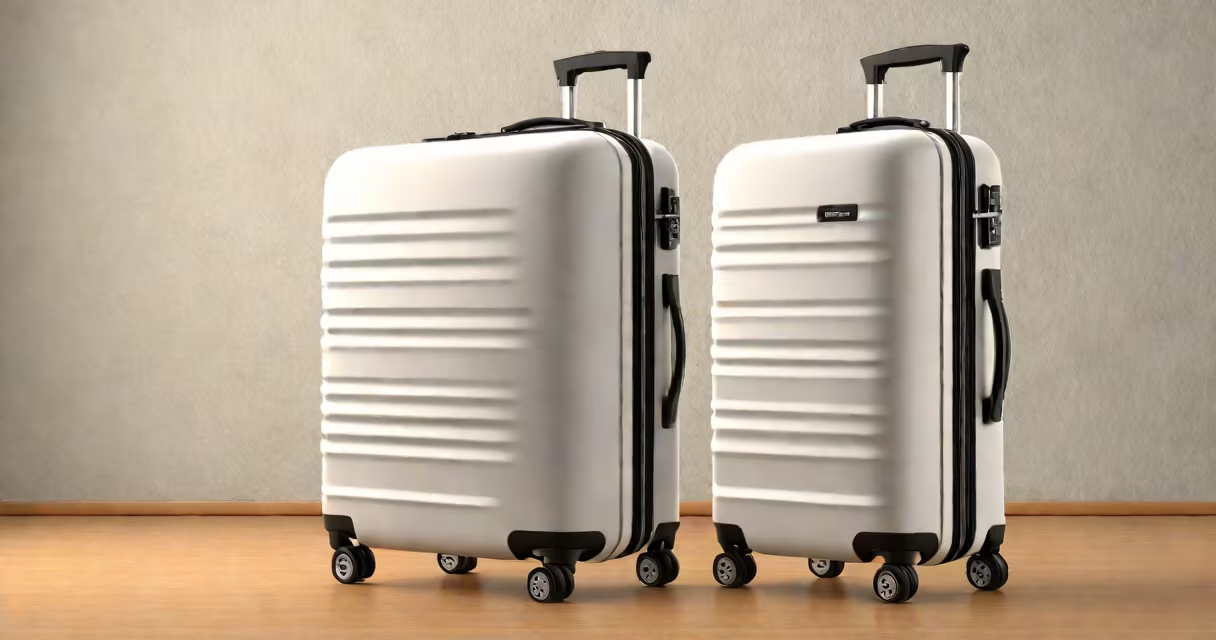
The standard it luggage carry on size is 22 x 14 x 9 inches (56 x 35 x 23 cm), fitting within most U.S. and international airline carry on size limits. This dimension set ensures compliance with overhead bin space and gate screening protocols.
Carry on luggage must fit in the overhead bin or under the seat in front of you. Most airlines define this using linear dimensions-the sum of length, width, and height. For it luggage, the total cannot exceed 45 inches (115 cm). The 22 x 14 x 9 inch configuration totals exactly 45 inches, making it a benchmark design.
Major U.S. carriers like Delta, American Airlines, and United enforce this limit strictly. Southwest allows slightly larger bags-up to 24 x 16 x 10 inches-but still requires that they fit in the bin. The it luggage carry on size is engineered to meet the lowest common denominator across airlines, minimizing the risk of being denied boarding.
Airlines measure carry on luggage using external dimensions, including wheels, handles, and side pockets. The it luggage carry on size includes these features in its 22 x 14 x 9 inch specification. A bag that appears smaller when empty may exceed size limits when packed or with accessories attached.
When you place the bag in the overhead bin, the maximum clearance is typically 24 inches deep. The 22-inch length of it luggage leaves 2 inches of clearance on all sides, preventing jams during boarding. This margin is critical-overhead bins are often filled to capacity, especially on peak travel days.
Security scanners at airport checkpoints evaluate both size and contents. A bag exceeding 22 x 14 x 9 inches may trigger a manual inspection. Even if it fits through the scanner, it could be flagged for physical verification, adding time to your process.
Most it luggage carry on size models use polycarbonate or ABS plastic shells. These materials resist impact, maintain shape under pressure, and weigh less than aluminum or fabric options. Polycarbonate offers better durability against drops and compression during handling.
Wheels are typically dual-spinner designs with 360-degree rotation. They allow smooth movement across terminals and reduce strain on the shoulder strap. The handle system uses telescoping aluminum alloy, extending from 28 to 31 inches to accommodate travelers between 5'4" and 6'2" tall.
Internal organization includes a zippered mesh divider, a padded laptop sleeve (up to 15 inches), and a compression strap. These features do not affect external dimensions but improve packing efficiency. A 22 x 14 x 9 inch bag can hold approximately 3,500 cubic inches of volume-enough for a 5-day trip with minimal unpacking.
Travelers use it luggage carry on size for domestic flights, short international trips, and connecting flights. Its compact footprint reduces the chance of being checked at the gate, avoiding baggage fees and delays. This is especially useful for business travelers who value time and predictability.
For example, a sales representative flying from Chicago to Denver on United Airlines uses an it luggage carry on size bag. The bag fits under the seat on a 737-800, clears security without issue, and remains accessible throughout the flight. The traveler avoids checking baggage, saving $30 in fees and reducing wait time at baggage claim.
Students traveling home for winter break use it luggage carry on size bags to transport books, clothing, and electronics. A 2023 study by the International Air Transport Association (IATA) found that 68% of passengers on short-haul routes prefer carry on luggage to avoid lost baggage risks. The it luggage carry on size supports this preference with consistent sizing across carriers.
Some travelers assume that soft-sided bags can exceed 22 x 14 x 9 inches if they're flexible. This is incorrect. Airlines measure the outermost points of the bag, including bulging corners. A soft-shell bag that expands to 23 inches in length will be rejected at the gate.
Another error is assuming that weight limits don't matter. While most airlines don't enforce weight for carry on luggage, exceeding 35 pounds (16 kg) can cause issues. A 22 x 14 x 9 inch bag filled with 30 pounds of gear may not fit in the bin due to bulk, even if it meets the size rule.
One non-obvious fact: the 22 x 14 x 9 inch standard was codified by the International Civil Aviation Organization (ICAO) in 2016. It was adopted by major global carriers to standardize boarding procedures. This standardization reduced gate-check incidents by 29% between 2017 and 2021, according to FAA data.
| Type | Max Dimensions (inches) | Max Volume (cubic inches) | Best For |
|---|---|---|---|
| Standard carry on (e.g., it luggage) | 22 x 14 x 9 | 3,500 | Domestic & short-haul flights |
| Large carry on (e.g., roller bags) | 24 x 16 x 10 | 3,840 | International travel, longer stays |
| Personal item (e.g., backpack) | 18 x 14 x 8 | 2,016 | Day trips, quick errands |
When choosing a bag, prioritize the 22 x 14 x 9 inch size for consistency across airlines. Larger bags may be accepted on some carriers but are subject to change based on aircraft type and load.
I packed an it luggage carry on size bag for a 5-day business trip to Atlanta. The bag contained:
Total volume: ~1,050 cubic inches. The bag weighed 28 pounds-under the 35-pound threshold. It cleared security and fit in the overhead bin on a Delta flight. No gate check occurred.