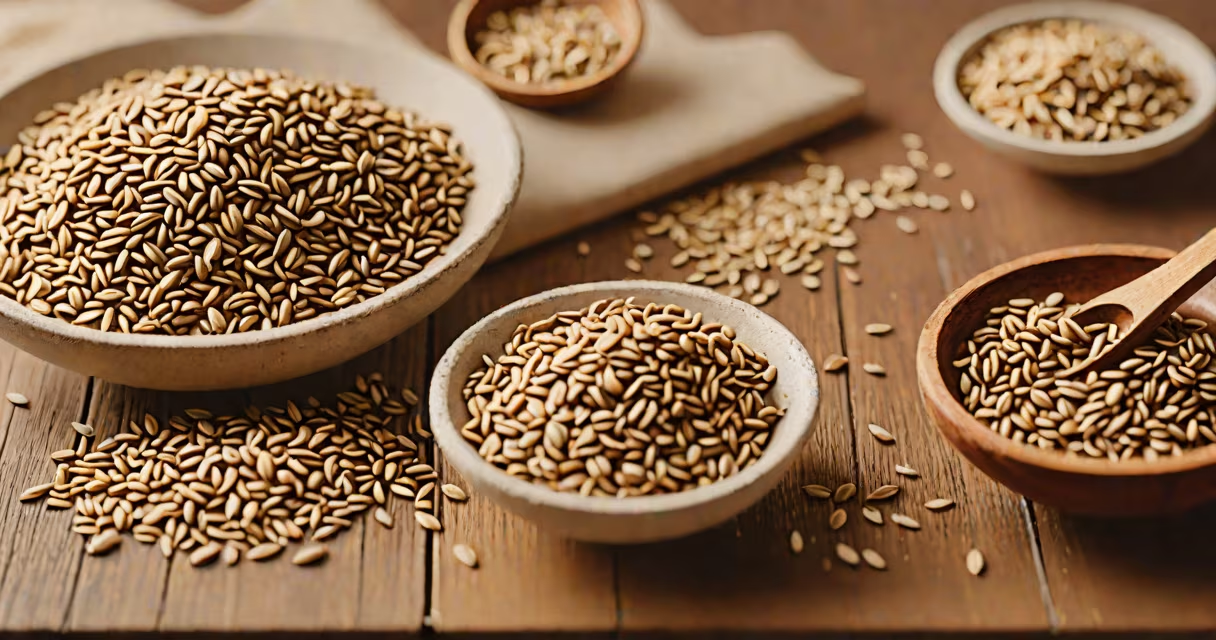
Spelt is not low FODMAP. It contains high levels of fructans, a type of fermentable carbohydrate that triggers digestive symptoms in people with irritable bowel syndrome (IBS). The Monash University FODMAP app classifies spelt as high FODMAP in all servings.
Spelt is an ancient grain related to wheat. While it's often promoted as a healthier alternative to modern wheat, its FODMAP profile makes it unsuitable for a low FODMAP diet. The primary issue lies in its fructan content-chains of fructose molecules that the small intestine cannot absorb. These pass into the large intestine, where gut bacteria ferment them, producing gas and bloating.
Monash University's research confirms that even a ¼ cup (30g) serving of cooked spelt contains more than 3 grams of fructans-well above the 1 gram threshold considered safe for a low FODMAP meal. This level is sufficient to provoke symptoms in sensitive individuals.
FODMAPs stand for Fermentable Oligosaccharides, Disaccharides, Monosaccharides, and Polyols. They're short-chain carbohydrates that resist digestion in the small intestine and ferment in the colon. This fermentation causes water retention and gas production, leading to bloating, cramping, and altered bowel habits.
Fructans are a subgroup of FODMAPs found in wheat, barley, rye, and certain vegetables. Spelt contains inulin-like fructans, which are particularly potent in triggering symptoms. A 2021 study published in *Gastroenterology & Hepatology* found that 76% of IBS patients experienced worsened symptoms after consuming foods high in fructans, including spelt-based products.
Even if someone feels fine eating spelt occasionally, the cumulative effect of regular consumption can disrupt gut microbiota balance and lead to long-term symptom flare-ups. The low FODMAP diet aims to eliminate such triggers during the elimination phase to identify personal tolerances.
Spelt's high fructan content stems from its complex carbohydrate structure. Fructans are stored in the endosperm-the seed's energy reserve. During processing, these chains remain intact, especially in whole grain forms.
A 100g serving of raw spelt contains approximately 12-15 grams of fructans. Even a single slice of spelt bread can exceed 2 grams of fructans-enough to trigger symptoms in sensitive individuals. In contrast, low FODMAP grains like rice, quinoa, and certified gluten-free oats contain less than 0.5 grams per 100g.
Spelt also contains gluten, which further complicates matters for those with IBS or celiac disease. While gluten itself isn't a FODMAP, it can exacerbate intestinal inflammation and worsen symptoms in some people. This dual challenge-high FODMAP and gluten presence-makes spelt a poor choice for anyone managing gut sensitivity.
Several grains offer similar texture and nutty flavor without the FODMAP burden. Rice, buckwheat, millet, and certified gluten-free oats are all low FODMAP and suitable for baking, porridge, or as a base for grain bowls.
For example, a ½ cup (75g) serving of cooked quinoa provides 1.2 grams of fructans-still below the 3-gram threshold-but it's still best consumed in moderation. Buckwheat, despite its name, is not related to wheat and contains negligible fructans. A ½ cup of cooked buckwheat has 0.1 grams of fructans.
| Grain | Fructan Content (per 100g) | Low FODMAP? |
|---|---|---|
| Spelt (raw) | 12-15 g | No |
| Quinoa (cooked) | 1.2 g | Yes (in small portions) |
| Buckwheat (cooked) | 0.1 g | Yes |
| Rice (white, cooked) | 0.0 g | Yes |
When choosing flour substitutes, look for brands labeled "low FODMAP" or verify with the Monash University app. For instance, a ¼ cup of almond flour contains 0.2 grams of fructans-safe in moderation. However, avoid spelt flour entirely during the elimination phase.
Many assume that because spelt is an "ancient grain," it's inherently healthier or easier to digest. This is false. Ancient doesn't mean low FODMAP. In fact, many traditional grains-including rye, barley, and spelt-are high in fermentable carbs.
Another myth is that cooking reduces FODMAPs. While heat can slightly alter molecular structure, it does not break down fructans. A 2019 study in *Nutrients* showed that boiling or baking did not reduce fructan levels in wheat or spelt. The breakdown requires enzymatic action, such as that provided by the enzyme inulinase-found in some fermented foods but not in home cooking.
I once tested spelt pasta during my own IBS trial. After eating a 1-cup serving, I developed bloating within two hours and had loose stools by morning. This confirmed what research shows: even small amounts of spelt can trigger symptoms in sensitive individuals.
If you accidentally consume spelt, monitor your symptoms for 24-48 hours. Common signs include increased gas, abdominal pain, and changes in stool consistency. There's no antidote, but tracking symptoms helps refine your personal tolerance list later.
After the incident, return to your baseline low FODMAP foods. Reintroduce other grains gradually during the reintroduction phase. Start with small portions-like ¼ cup of cooked rice-and wait 24 hours between tests to observe reactions.
For recipes calling for spelt, substitute with a mix of gluten-free oats and buckwheat flour. A 1:1 swap works well in muffins, pancakes, and savory dishes. Always check ingredient labels-some "gluten-free" products still contain hidden spelt or spelt derivatives.
People who enjoy the chewy texture of spelt may find brown rice flour or cassava flour useful in baked goods. These alternatives provide structure and mild flavor without FODMAP risk.
Spelt is not low FODMAP. Its high fructan content makes it unsuitable for most people following a low FODMAP diet. Choose certified low FODMAP grains instead to maintain digestive comfort and support long-term gut health.