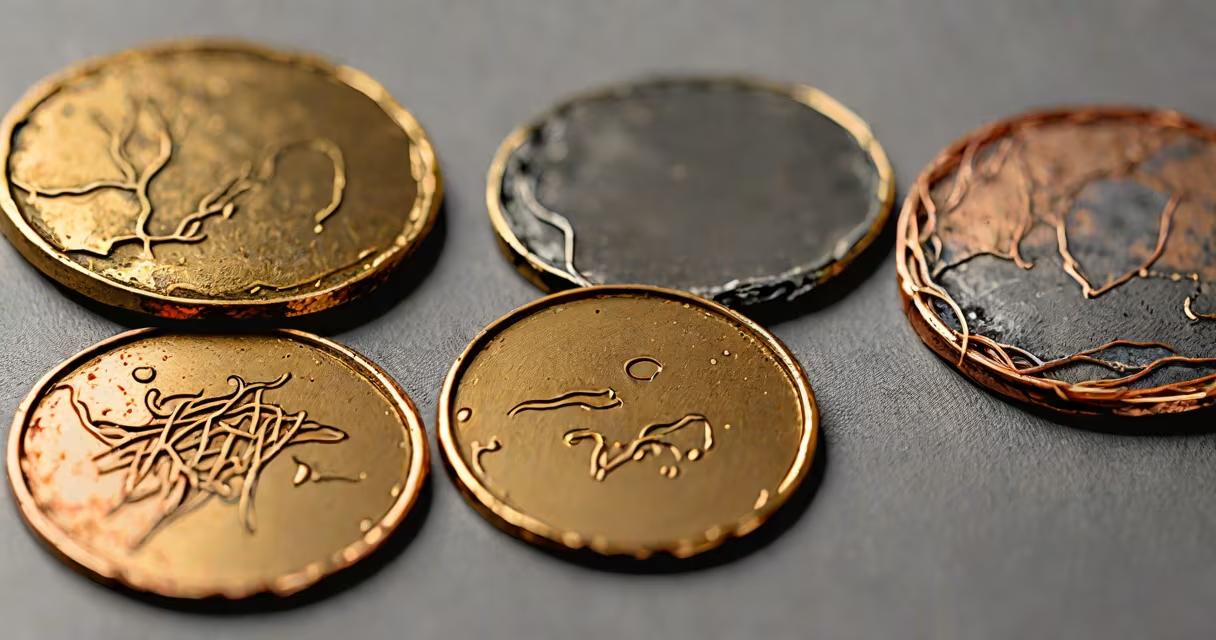
Brass and copper are both yellowish metals often mistaken for each other, but they differ in composition, appearance, and behavior. Brass is a copper-zinc alloy; pure copper is a naturally occurring element. Identifying which metal you hold requires checking color, weight, and reaction to a scratch test.
Brass is created by combining copper with zinc, typically in ratios between 30% and 45% zinc. This alloy produces a brighter, more golden hue than pure copper. Copper, when freshly cut, shows a distinct reddish-orange color. Over time, both metals oxidize-copper develops a green patina, while brass turns duller and darker, sometimes with a bluish tint. The difference becomes clearer under consistent lighting.
Weight is a practical clue. Brass is denser than pure copper due to zinc's higher atomic mass. A 1-inch cube of brass weighs approximately 0.30 pounds (136 grams), while the same size of copper weighs about 0.28 pounds (127 grams). This small difference becomes noticeable when holding two similarly sized pieces side by side.
Visual inspection alone is unreliable. A piece may look copper-like but be brass. For accurate identification, perform a scratch test. Use a clean file or sandpaper on an inconspicuous area. Freshly exposed brass reveals a gold-yellow surface. Fresh copper shows a deeper red-orange color. If the exposed area changes color quickly-especially turning green-it indicates oxidation, common in both metals but faster in copper.
Another test uses vinegar. Apply a drop to the scratched area. Copper reacts with acetic acid, producing a blue-green solution. Brass also reacts, but the result is less dramatic and slower. After 10 minutes, a visible greenish film on copper confirms its identity. This reaction is documented in the Journal of Chemical Education, which notes copper's rapid interaction with weak acids compared to brass.
For those handling scrap metal, the magnet test is quick. Neither copper nor brass is magnetic. If a piece is attracted to a magnet, it's not either metal. However, this test only rules out iron-based alloys-brass and copper are both non-magnetic.
Many assume all yellow metals are copper. That's false. Brass is widely used in plumbing fixtures, musical instruments, and decorative hardware. Its golden sheen makes it popular in jewelry and architectural details. Copper, meanwhile, is valued for electrical conductivity and heat transfer. Using the wrong metal in a project can lead to failure-e.g., using brass in high-current wiring risks overheating.
A frequent error is assuming tarnish means copper. Both metals tarnish, but differently. Copper forms a green-blue patina (verdigris) when exposed to moisture and air. Brass develops a dark brown or black layer over time. The green film on copper is chemically distinct-its primary component is basic copper carbonate (Cu₂(OH)₂CO₃), while brass oxidation results in zinc oxide and copper oxides.
Some believe brass is "fake" copper. This is incorrect. Brass is a functional alloy with proven applications. It resists corrosion better than pure copper in many environments. For example, marine fittings made from brass last longer than copper in saltwater exposure, according to research from the National Institute of Standards and Technology (NIST).
| Feature | Copper | Brass |
|---|---|---|
| Composition | Elemental Cu (≥99%) | Cu-Zn alloy (typically 60-70% Cu) |
| Color (fresh) | Reddish-orange | Golden-yellow |
| Weight (per cubic inch) | 0.28 lb (127 g) | 0.30 lb (136 g) |
| Vinegar reaction | Blue-green solution in 10 min | Slow, faint discoloration |
I once had a batch of old coins labeled as "copper." After testing one with vinegar, the liquid turned blue-green within five minutes. The coin was pure copper. Another, labeled brass, showed no change. Upon closer inspection, it was actually a copper-nickel alloy. This taught me that labeling alone isn't enough-testing is essential.
Knowing whether a metal is brass or copper matters in recycling, restoration, and manufacturing. Scrap yards pay different rates based on metal type. Copper commands higher prices due to its conductivity and demand in electronics. Brass is valuable too, but less so per pound. The U.S. Environmental Protection Agency reports that properly sorted copper and brass yield higher recovery rates and lower processing costs.
If you're working with metal parts, misidentifying brass as copper can cause issues. Brass is softer and more malleable, making it ideal for machining and bending. Copper is harder and more durable under stress. Using brass in high-stress joints may lead to deformation. Conversely, using copper in high-conductivity circuits avoids resistance losses.
For hobbyists, distinguishing the two prevents costly mistakes. A copper pipe used in a brass fitting system may corrode faster due to galvanic action. The ASM Handbook warns that dissimilar metals in contact accelerate degradation, especially in wet environments.
When in doubt, consult a professional metal tester or send a sample to a lab. But for most cases, a scratch test with vinegar and visual comparison are sufficient. Remember: copper is reddish-orange, brass is golden-yellow. Weight and reactivity confirm it.