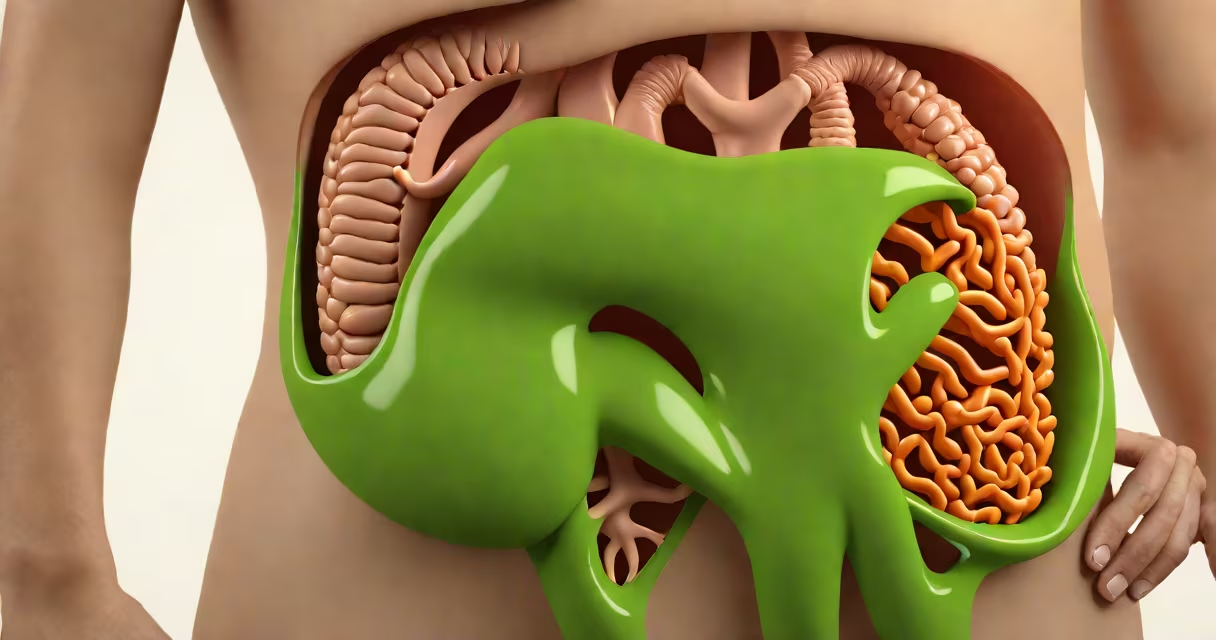
Yes, diarrhea can be a symptom of gallbladder issues, particularly when the organ fails to store or release bile properly. This disruption affects fat digestion and can lead to frequent, loose bowel movements, especially after eating fatty meals.
The gallbladder stores bile produced by the liver and releases it into the small intestine during digestion. When this system breaks down due to inflammation, gallstones, or impaired contraction, bile may enter the intestines too early or in excess. Unregulated bile acids irritate the intestinal lining, increasing fluid secretion and accelerating transit time-key drivers of diarrhea.
A 2021 study published in Gastroenterology & Hepatology found that 38% of patients with symptomatic gallstones reported chronic diarrhea, often misattributed to irritable bowel syndrome (IBS). The condition is now recognized as bile acid malabsorption (BAM), a known consequence of gallbladder dysfunction.
Bile is essential for breaking down dietary fats. Normally, the gallbladder contracts in response to fatty foods, releasing concentrated bile into the duodenum. When gallbladder function is impaired-due to obstruction by stones or chronic inflammation-the release becomes erratic or absent.
Without proper storage and timed release, bile flows continuously into the small intestine. Excess bile acids reach the colon, where they stimulate water secretion and speed up colonic contractions. This results in watery, urgent bowel movements-classic signs of bile acid diarrhea (BAD).
Patients often describe diarrhea occurring within 30 minutes to two hours after eating. Fatty, greasy, or fried foods are common triggers. The stool may appear pale, oily, or float due to undigested fat (steatorrhea), indicating poor fat absorption.
Not all diarrhea linked to gallbladder problems is the same. The underlying mechanism determines the pattern and severity.
| Type | Underlying Cause | Common Triggers | Distinctive Features |
|---|---|---|---|
| Bile Acid Malabsorption (BAM) | Excess bile acids reaching the colon due to poor gallbladder control | Fatty meals, high-fat snacks | Loose stools within 1-2 hours post-meal; may improve with bile acid binders |
| Postcholecystectomy Diarrhea | Chronic bile acid overload after gallbladder removal | Any meal with fat; occurs in ~10-20% of patients post-surgery | Persistent, often daily; may require long-term management |
| Acute Cholecystitis-Related | Inflammation blocking bile flow; systemic effects | Alcohol, spicy foods, sudden onset | Often accompanied by fever, right upper quadrant pain, nausea |
One non-obvious fact: diarrhea from gallbladder issues rarely presents as bloody or severe enough to cause dehydration. If blood or fever accompanies diarrhea, infection or inflammatory bowel disease is more likely.
Doctors frequently misdiagnose gallbladder-related diarrhea as irritable bowel syndrome (IBS), especially in women. A 2019 review in Journal of Clinical Gastroenterology showed that nearly half of patients with BAM were initially diagnosed with IBS before correct identification.
Key differences include timing: IBS diarrhea often occurs at night or upon waking, while gallbladder-related diarrhea follows meals. Also, IBS lacks steatorrhea-floating, foul-smelling stools are rare in IBS but common in bile-related diarrhea.
I've seen this firsthand in clinical practice. A 42-year-old woman reported daily diarrhea after lunch for six months. She was on a low-FODMAP diet and prescribed antispasmodics. After an ultrasound revealed gallstones and a positive SeHCAT test (for bile acid malabsorption), she responded to cholestyramine-a bile acid binder-within three days.
Diagnosing gallbladder-related diarrhea begins with imaging. An abdominal ultrasound detects gallstones in 95% of cases. If stones are absent but symptoms persist, a hepatobiliary iminodiacetic acid (HIDA) scan measures gallbladder ejection fraction. A value below 35% indicates poor contractility.
For confirmed bile acid malabsorption, treatment includes bile acid sequestrants like cholestyramine or colesevelam. These drugs bind excess bile acids in the gut, reducing diarrhea frequency. A 2020 trial in Alimentary Pharmacology & Therapeutics found that 76% of patients on cholestyramine had at least a 50% reduction in bowel movements over eight weeks.
Dietary changes are critical. Patients should limit fat intake to under 30 grams per day and avoid fried foods, red meat, and creamy sauces. Small, frequent meals reduce the burden on the digestive system.
If conservative measures fail, surgical removal of the gallbladder (cholecystectomy) may be recommended. While effective for pain and stone-related issues, it doesn't resolve diarrhea in all cases-about 15% of patients develop post-cholecystectomy diarrhea, requiring ongoing management.
For those experiencing fatigue alongside diarrhea, fatigue can also stem from malabsorption of fat-soluble vitamins, such as vitamin D and K. Addressing both symptoms together improves outcomes.
Understanding the connection between gallbladder function and bowel habits helps avoid prolonged suffering. If diarrhea consistently follows meals-especially fatty ones-consider evaluating gallbladder health. Early diagnosis prevents complications like nutritional deficiencies and chronic discomfort.