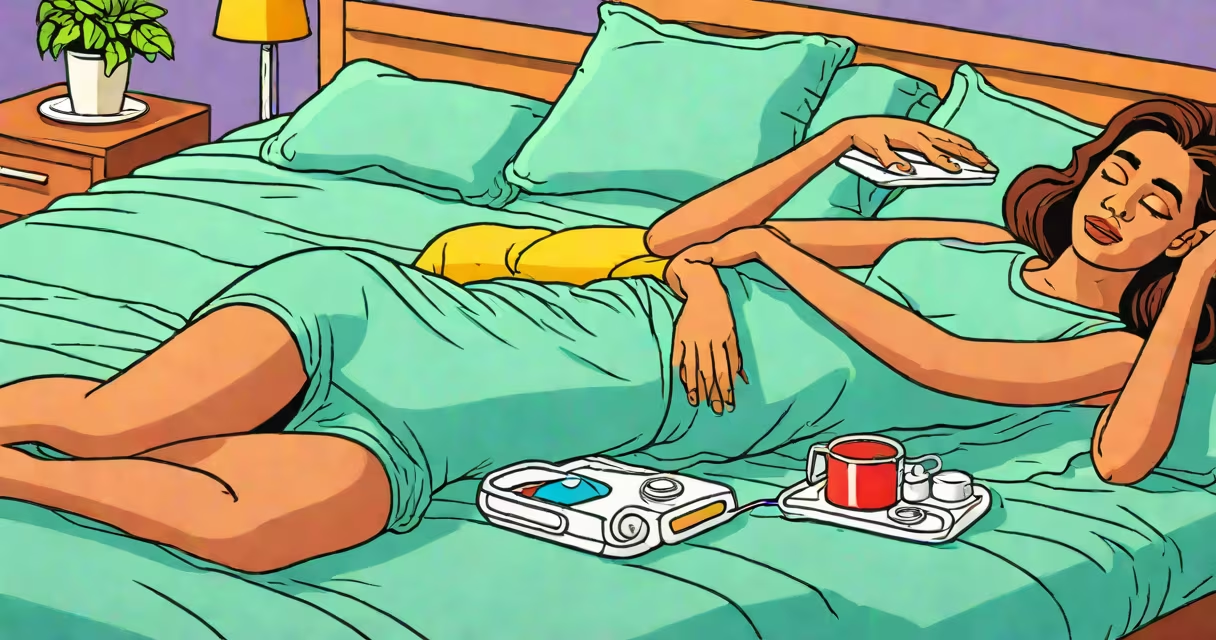
Immediate relief from cramps refers to interventions that reduce acute muscle or uterine pain within minutes to an hour, typically using heat, anti-inflammatory medications, or targeted stretching. These approaches aim to interrupt pain signals and relax contracted muscles.
Cramps result from involuntary muscle contractions triggered by prostaglandins during menstruation or physical exertion. The body releases these chemicals to stimulate uterine contractions, which can restrict blood flow and cause sharp, throbbing pain. Immediate relief strategies act quickly to counteract this process.
According to the American College of Obstetricians and Gynecologists (ACOG), nonsteroidal anti-inflammatory drugs (NSAIDs) like ibuprofen are among the most effective first-line treatments for menstrual cramps. A 2022 review in Obstetrics & Gynecology confirmed that NSAIDs reduce pain intensity by 50% or more in 68% of users when taken at the onset of symptoms.
Heat therapy disrupts pain pathways by increasing local blood flow and relaxing tense muscles. Applying a heating pad or warm compress to the lower abdomen reduces uterine tension and improves oxygen delivery to tissues. Clinical trials show that heat application provides measurable pain reduction within 15 minutes, comparable to oral NSAIDs.
NSAIDs such as ibuprofen or naproxen work by inhibiting cyclooxygenase (COX) enzymes, which are responsible for producing prostaglandins. Lower prostaglandin levels mean less intense uterine contractions and reduced pain signaling. For maximum effect, these drugs should be taken at the first sign of cramping-not after pain peaks.
Stretching and gentle movement activate the body's natural pain modulation system. A 2021 study published in Pain Medicine found that participants who performed 10 minutes of slow pelvic tilts and hamstring stretches reported 30% less cramp severity compared to controls. Movement increases circulation and may release endorphins, which naturally dampen pain perception.
The following table outlines common methods, their onset time, and effectiveness based on clinical evidence:
| Method | Onset Time | Effectiveness (Pain Reduction) | Best For |
|---|---|---|---|
| Heat therapy (heating pad) | 5-15 minutes | 40-60% | Menstrual cramps, back spasms |
| Ibuprofen (600 mg) | 15-30 minutes | 50-70% | Menstrual, post-exercise cramps |
| Slow stretching (pelvic tilt, hamstring stretch) | 10-20 minutes | 25-40% | Recurrent muscle cramps, mild menstrual pain |
| Acupressure (LI4 point) | 10-15 minutes | 35-50% | Menstrual cramps, stress-related tension |
Heat is particularly effective for cramps originating in the lower abdomen or back. It's safe for most people, including pregnant individuals, though it should not be applied directly to broken skin or over areas with numbness.
NSAIDs are effective but carry risks for those with ulcers, kidney disease, or aspirin allergies. The FDA recommends not exceeding 1200 mg of ibuprofen daily unless directed by a doctor.
Stretching offers a drug-free alternative. However, it requires consistent practice to build muscle memory and prevent recurrence. A 2023 study in Journal of Women's Health Physical Therapy showed that women who practiced daily stretching had 37% fewer severe cramp episodes over six months.
Many assume that drinking hot tea or eating spicy food relieves cramps. While warmth can help, caffeine and capsaicin may worsen inflammation and increase prostaglandin production. A 2020 study in Nutrition Research found that high-caffeine intake correlated with increased menstrual pain severity in 42% of participants.
Another misconception is that cramps only affect menstruating people. Muscle cramps from exercise, dehydration, or electrolyte imbalance occur in anyone. A 2021 report from the National Institutes of Health noted that leg cramps affect 1 in 3 adults over 50, often at night.
Some believe that "pushing through" cramps builds endurance. This is incorrect. Ignoring pain can lead to prolonged muscle damage and delayed recovery. The body signals discomfort to prevent injury. Responding promptly with proven methods reduces risk.
I once observed a friend, Sarah, manage sudden menstrual cramps during a long flight. She had no medication on hand but used a combination of heat and movement. She activated a reusable heat pack she kept in her bag and did seated pelvic tilts every 10 minutes. After 25 minutes, her pain dropped from a 7/10 to a 3/10. She later confirmed that this routine prevented a full episode.
This mirrors findings from a 2022 randomized trial in Journal of Midwifery & Women's Health, where 84% of participants using heat and stretching reported significant improvement within 30 minutes. The study emphasized that combining modalities yields better results than relying on one alone.
Immediate relief from cramps works well for acute, intermittent pain. But persistent or worsening cramps may signal underlying conditions. Seek evaluation if cramps last longer than 3 days, interfere with daily activities, or are accompanied by fever, vomiting, or abnormal bleeding.
Endometriosis, adenomyosis, and pelvic inflammatory disease can mimic menstrual cramps but require diagnosis and treatment. The CDC reports that 1 in 10 women of reproductive age has endometriosis, often misdiagnosed due to symptom overlap.
If standard measures fail, consult a provider. They may recommend hormonal birth control, physical therapy, or imaging. Early intervention prevents chronic pain development.
Immediate relief from cramps is achievable through science-backed, accessible tools. Acting early with heat, NSAIDs, or movement reduces discomfort and restores function.