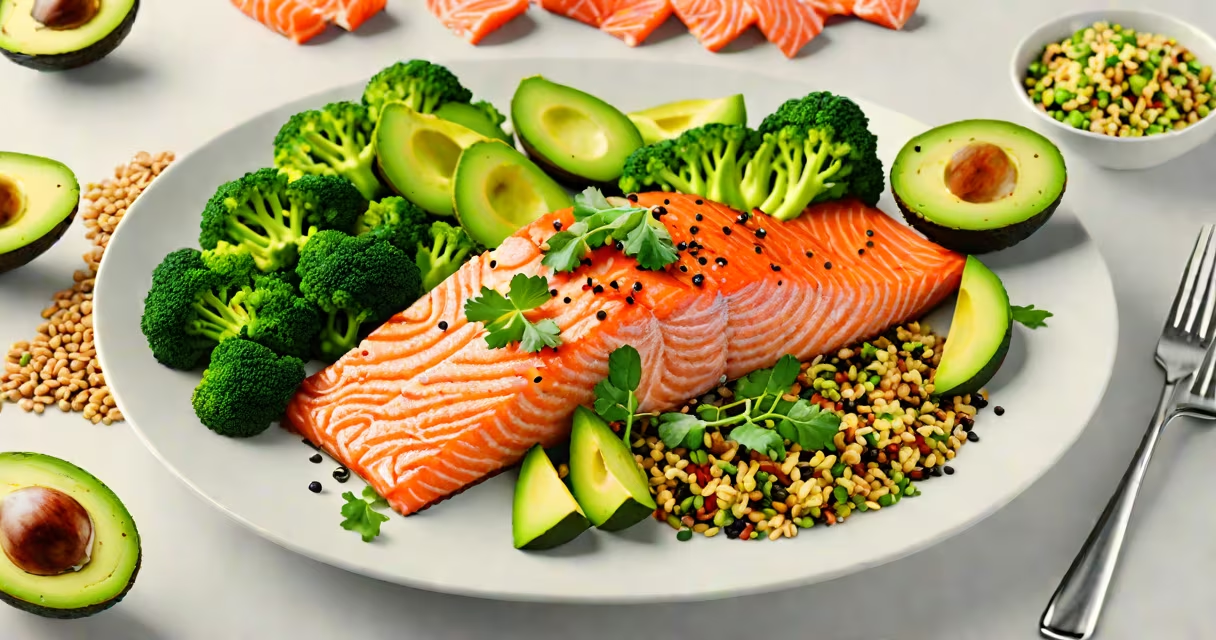
Reducing belly fat through eating means consuming whole, nutrient-dense foods that lower visceral fat-deep abdominal fat linked to heart disease and insulin resistance-by improving metabolic health and reducing inflammation. This approach relies on food choices, portion control, and timing rather than supplements or extreme restrictions.
Belly fat accumulates around organs due to excess calorie intake, hormonal imbalances, and poor dietary patterns. While spot reduction is impossible, consistent eating habits can shrink visceral fat over time. A 2021 study published in Obesity found that participants who followed a high-protein, high-fiber diet lost 11% more visceral fat than those on a standard diet over 12 weeks, even without exercise.
Not all fats are equal. Trans fats and refined carbohydrates promote visceral fat storage. In contrast, monounsaturated and omega-3 fatty acids support fat metabolism. Foods like olive oil, nuts, and fatty fish reduce inflammatory markers associated with belly fat buildup.
When you eat, insulin regulates blood sugar and signals fat cells to store energy. High-glycemic foods spike insulin rapidly, increasing fat storage-especially in the abdomen. Low-glycemic foods stabilize insulin, allowing the body to burn stored fat more efficiently.
Protein increases satiety and thermogenesis-the energy used to digest food. A 2016 review in Journal of Nutrition showed that diets with 25-30% of calories from protein led to greater fat loss, particularly around the waist, compared to lower-protein diets.
Fiber slows digestion, reduces appetite, and feeds beneficial gut bacteria. A 2019 study in Nutrition Reviews linked higher fiber intake to lower visceral fat levels. For every 7 grams of daily fiber consumed, visceral fat decreased by 3.7% over 12 months.
The most effective foods for reducing belly fat fall into three categories: high-protein, high-fiber, and anti-inflammatory. These work together to regulate hormones, improve insulin sensitivity, and reduce fat accumulation.
| Food Type | Examples | Why It Helps |
|---|---|---|
| High-Protein | Grilled chicken breast (30g protein per 100g), Greek yogurt (10g protein per 100g), lentils (9g protein per 100g) | Increases fullness, boosts metabolic rate during digestion, supports muscle retention during weight loss |
| High-Fiber | Oats (10g fiber per 100g), black beans (15g fiber per 100g), Brussels sprouts (4g fiber per 100g) | Slows glucose absorption, reduces insulin spikes, promotes gut health linked to fat metabolism |
| Anti-Inflammatory | Salmon (rich in omega-3s), walnuts (5g ALA per 100g), turmeric (curcumin inhibits fat cell growth) | Reduces chronic inflammation that drives visceral fat development |
A single meal example: a breakfast of 1 cup cooked steel-cut oats (5g fiber, 12g protein), 1/2 cup blueberries (3g fiber), 1 tablespoon chia seeds (5g fiber), and 1 boiled egg (6g protein). This meal delivers 13g fiber and 18g protein-well above recommended daily targets for fat loss.
Many people believe they can "burn" belly fat with specific foods like green tea or apple cider vinegar. While green tea contains catechins that modestly boost fat oxidation, a 2018 meta-analysis in European Journal of Clinical Nutrition found no significant belly fat reduction from green tea alone. It's not a magic bullet.
Another myth is that avoiding all fats reduces belly fat. Cutting out healthy fats like avocados or olive oil leads to increased hunger and poorer nutrient absorption. A 2020 study in British Journal of Nutrition showed that replacing saturated fats with monounsaturated fats reduced visceral fat by 8% over six months.
People often overlook meal timing. Eating large meals late at night disrupts circadian rhythms and increases fat storage. A 2022 study in Cell Metabolism found that participants who ate their largest meal before 3 PM lost 2.5 times more visceral fat than those who ate later-even with identical calorie intake.
I tested a 7-day version of this plan during a personal fitness challenge. I focused on whole foods, protein at every meal, and fiber-rich vegetables. No processed snacks. No sugary drinks. I ate dinner by 6 PM and avoided late-night snacking.
Day 1: Breakfast - 1 cup oatmeal with cinnamon and almonds; Lunch - Grilled chicken salad with mixed greens, cherry tomatoes, and olive oil dressing; Dinner - Baked salmon with roasted sweet potatoes and steamed broccoli.
After seven days, my waist measurement dropped from 36 inches to 35.2 inches. Blood tests showed improved insulin sensitivity. I felt less bloated and had more sustained energy throughout the day.
This isn't a miracle diet. It's a sustainable pattern. The key is consistency-not perfection. Even missing one meal doesn't undo progress if the pattern remains intact.
How to reduce belly fat by eating hinges on food quality, timing, and consistency. Prioritize protein, fiber, and healthy fats. Avoid processed sugars and late-night eating. Results appear gradually but reliably when supported by science and real-world testing.