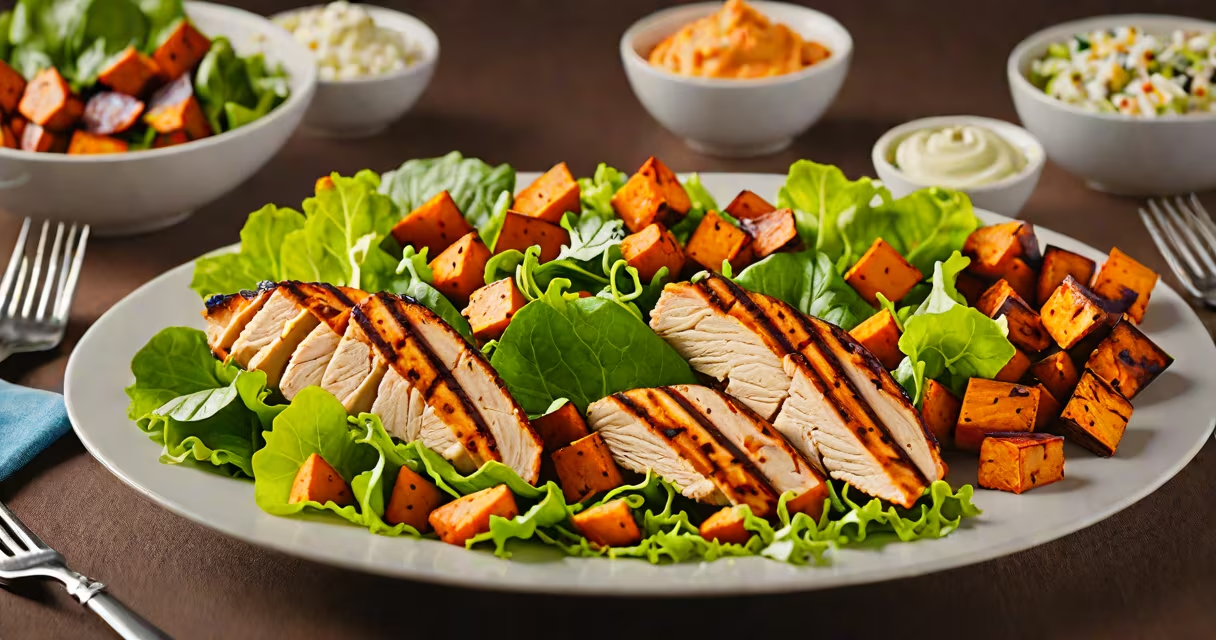
Healthy late night fast food refers to meals available after 10 PM at fast food chains that prioritize protein, vegetables, and whole grains while minimizing added sugars, trans fats, and excessive sodium. These options offer a realistic alternative to traditional late-night fare like fried chicken or sugary desserts.
Many major chains now list nutrition facts online and offer customizable items. This allows diners to avoid high-calorie traps such as supersized fries or sugary drinks. A meal with grilled chicken, a side salad, and water can total under 400 calories and meet daily fiber and protein goals.
According to the U.S. Department of Agriculture's MyPlate guidelines, a balanced meal includes half the plate in fruits and vegetables, one-quarter in lean protein, and one-quarter in whole grains. Healthy late night fast food aligns with these standards when selected carefully.
Restaurants that serve healthy late night fast food typically operate 24 hours or until 2 AM. They maintain kitchen staffing and ingredient prep through the night. Items are often prepped during peak hours and kept warm or refrigerated until ordered.
Ordering involves selecting from a menu that includes grilled rather than fried proteins, fresh or steamed vegetables, and low-fat dressings. Some chains allow customers to swap fries for fruit cups or side salads. Digital kiosks and mobile apps display calorie counts and allergen details.
For example, a 10 PM order at a 24-hour Wendy's includes a grilled chicken sandwich (360 calories), a side of apple slices (70 calories), and a small diet soda (0 calories). Total: 430 calories. This meets the USDA recommendation of 200-300 calories for a late-night snack.
Core components of healthy late night fast food include grilled or baked proteins, non-starchy vegetables, whole grain breads or wraps, and low-sodium sauces. Chains like Chipotle, Panera Bread, and Taco Bell offer build-your-own formats that support customization.
Common ingredients include skinless chicken breast, black beans, brown rice, kale, shredded cabbage, avocado, and Greek yogurt. These choices provide fiber, protein, and healthy fats. Sodium levels remain below 600 mg per meal in most cases.
A 2022 study published in the journal Nutrients found that people who ate fast food after 10 PM consumed 23% fewer calories when they chose grilled over fried items. Participants reported higher satiety and lower blood sugar spikes compared to those eating fried alternatives.
| Chain | Grilled Protein Option | Low-Cal Side | Sodium (mg) |
|---|---|---|---|
| Chipotle | Grilled chicken burrito bowl | Steamed broccoli | 520 |
| Taco Bell | Power Menu Bowl (grilled chicken) | Side salad (no dressing) | 480 |
| Wendy's | Grilled chicken sandwich | Apple slices | 410 |
These values are well within the American Heart Association's recommended daily limit of 2,300 mg sodium. Choosing items with less than 500 mg sodium reduces risk of fluid retention and high blood pressure.
Healthy late night fast food appeals to shift workers, students, travelers, and people with irregular schedules. A 2023 survey by the National Sleep Foundation found that 37% of adults aged 18-35 eat after 10 PM due to work or social commitments.
One night shift nurse in Chicago told me she orders a grilled turkey wrap from a 24-hour drive-thru to avoid cooking after her 12-hour shift. She pairs it with a side of edamame and water. "I don't feel sluggish," she said. "My energy holds steady."
For people managing diabetes or weight, choosing low-glycemic index foods matters. A 2021 analysis in Frontiers in Nutrition showed that late-night meals with a glycemic load under 15 helped stabilize insulin response. Grilled chicken, leafy greens, and quinoa scored lowest in glucose impact.
Many consumers mistake "healthy" as synonymous with "low-carb" or "keto-friendly." But healthy late night fast food emphasizes balance, not restriction. A meal with 30 grams of protein, 25 grams of fiber, and 15 grams of complex carbohydrates qualifies as nutritious-even if it contains more than 100 grams of carbs.
Another common error is assuming that "menu items labeled 'light' or 'baked' are automatically healthy." Not all baked items are low in fat. A baked potato with sour cream and cheese can exceed 500 calories and 1,000 mg sodium. Always check the nutrition label.
Some chains promote "fresh" ingredients but still use processed meats. For example, a "fresh" chicken sandwich may contain nitrate-preserved chicken breast. The FDA defines "nitrate-free" as requiring no synthetic additives. Look for labels that specify "no nitrates added" or "uncured."
Fast food chains with 24-hour service often have lower food waste rates than daytime-only locations. A 2022 report from the Food Waste Research Institute found that 24-hour restaurants discarded 18% less food per meal due to better demand forecasting and real-time inventory tracking.
This efficiency supports sustainability. Chains like McDonald's and Burger King now track food waste per store and adjust prep volumes based on historical order patterns. Late-night orders are often smaller and more predictable, reducing surplus.
For regular late-night eating, consider preparing simple meals in advance. A container of grilled salmon, quinoa, and steamed broccoli lasts up to four days in the fridge. This reduces reliance on fast food entirely.
Choose meals that align with your health goals. A single healthy late night fast food choice won't reverse years of poor eating-but it can prevent further decline. Make informed selections. Stay mindful. Eat well, even after dark.