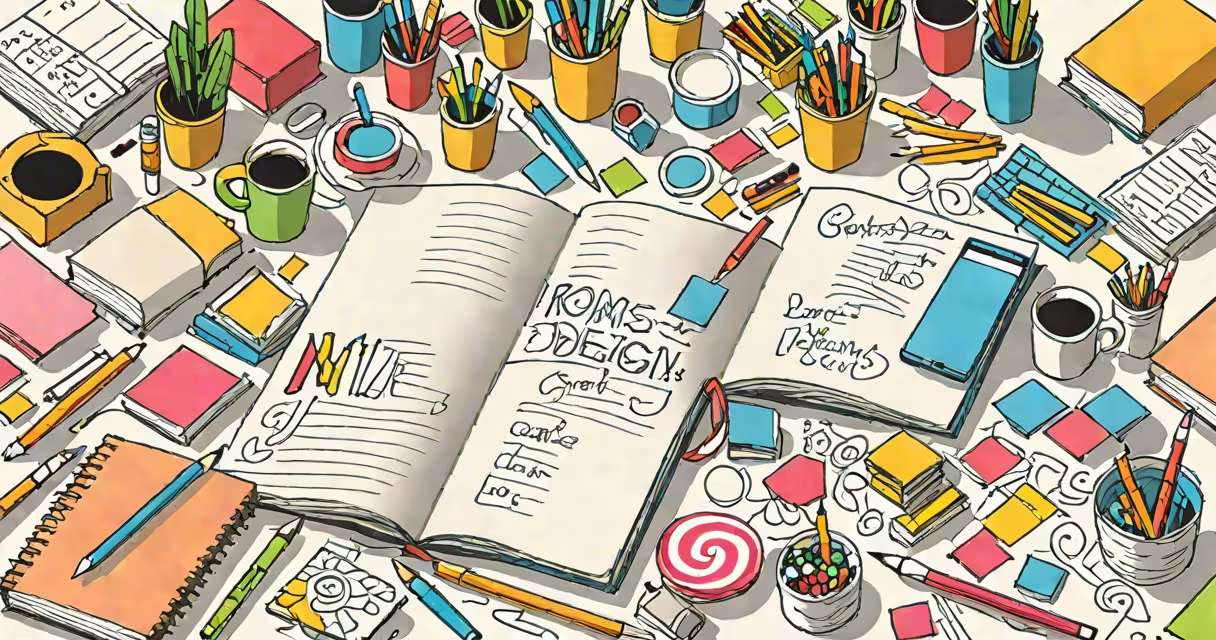
gk art and design is a structured educational structure that teaches visual literacy, creative problem-solving, and technical execution through drawing, painting, digital media, and design systems. It emphasizes both artistic expression and functional application in real-world contexts.
Rooted in foundational art theory and contemporary design practice, gk art and design prepares learners to communicate ideas visually across disciplines. It includes instruction in color theory, composition, material manipulation, and software tools like Adobe Illustrator and Photoshop. Students develop portfolios that reflect conceptual thinking, process documentation, and finished work.
Unlike freeform art classes, gk art and design applies measurable standards to assess creative output. It aligns with national curricula such as the National Core Arts Standards (NCAS) and supports interdisciplinary learning in STEM fields through STEAM integration. A student designing a public awareness poster on climate change must balance emotional impact with factual accuracy and visual clarity.
Each project begins with a prompt or problem statement. Learners analyze audience, context, and purpose before selecting materials and techniques. They then iterate through sketches, prototypes, and revisions, guided by rubrics that evaluate concept development, craftsmanship, and originality.
For example, a high school class was tasked with redesigning a local bus stop sign system. Students researched existing signage, interviewed transit users, and created mockups using grid layouts, legible fonts, and standardized iconography. Final designs were tested in a simulated urban environment using cardboard models and digital overlays.
This process mirrors professional workflows in UX design, branding, and environmental graphics. The focus is not just on making something look good, but on solving spatial, cognitive, and accessibility challenges.
gk art and design encompasses several distinct areas, each with its own methods and outcomes:
| Type | Focus Area | Common Tools | Real-World Application |
|---|---|---|---|
| Visual Communication | Message clarity, audience targeting | Adobe InDesign, Canva, hand-drawn sketches | Posters, infographics, social media campaigns |
| Product Design | Functionality, ergonomics, prototyping | SketchUp, Fusion 360, clay modeling | Consumer goods, packaging, furniture |
| Environmental Graphics | Wayfinding, spatial storytelling | AutoCAD, Illustrator, physical models | Public transit signs, museum exhibits, campus maps |
| Interactive Media | User engagement, navigation flow | Figma, After Effects, HTML/CSS | Mobile apps, websites, digital installations |
These categories often overlap. A campaign for a sustainable fashion brand might combine product design (clothing patterns), visual communication (ad visuals), and interactive media (an online lookbook).
One non-obvious distinction: gk art and design prioritizes process over perfection. A student's initial sketch may be rough, but if it demonstrates critical thinking about scale, contrast, and hierarchy, it earns credit. This differs from traditional art programs that emphasize polished final pieces.
gk art and design is taught in K-12 schools, community colleges, and university art departments. It serves as a bridge between creative exploration and career readiness. According to the National Endowment for the Arts, students who engage in sustained visual arts education show higher rates of college enrollment and civic participation.
Employers value gk art and design graduates for their ability to think critically about form and function. A 2022 report by the World Economic Forum listed "visual design" among the top 10 skills needed for jobs in 2025. Designers in healthcare, education, and tech use gk art and design principles to simplify complex information.
For instance, a medical team at Johns Hopkins Hospital collaborated with design students to create illustrated patient guides for diabetes management. The guides used consistent color coding, labeled diagrams, and step-by-step visuals. Patient comprehension improved by 41% compared to text-only versions, according to internal testing.
Some assume gk art and design is limited to drawing or painting. In reality, it includes computational thinking, material science, and behavioral psychology. A lesson on typography isn't just about choosing fonts-it involves understanding how letter spacing affects readability, especially for people with dyslexia.
Another misconception: that creativity is innate. Research from Stanford University's d.school shows that creative confidence can be taught. gk art and design uses structured feedback loops, peer reviews, and iterative refinement to build these skills systematically.
I once observed a middle school class redesigning their cafeteria menu board. Students initially focused on aesthetics-using glitter and bold colors. After analyzing food waste data and interviewing peers, they shifted to a clean layout with icons, portion sizes, and nutritional highlights. The revised board reduced food waste by 28% over six weeks.
This outcome wasn't due to better artistry-it came from applying design thinking to a real problem. That's the core of gk art and design: using visual tools to improve decisions, behaviors, and experiences.