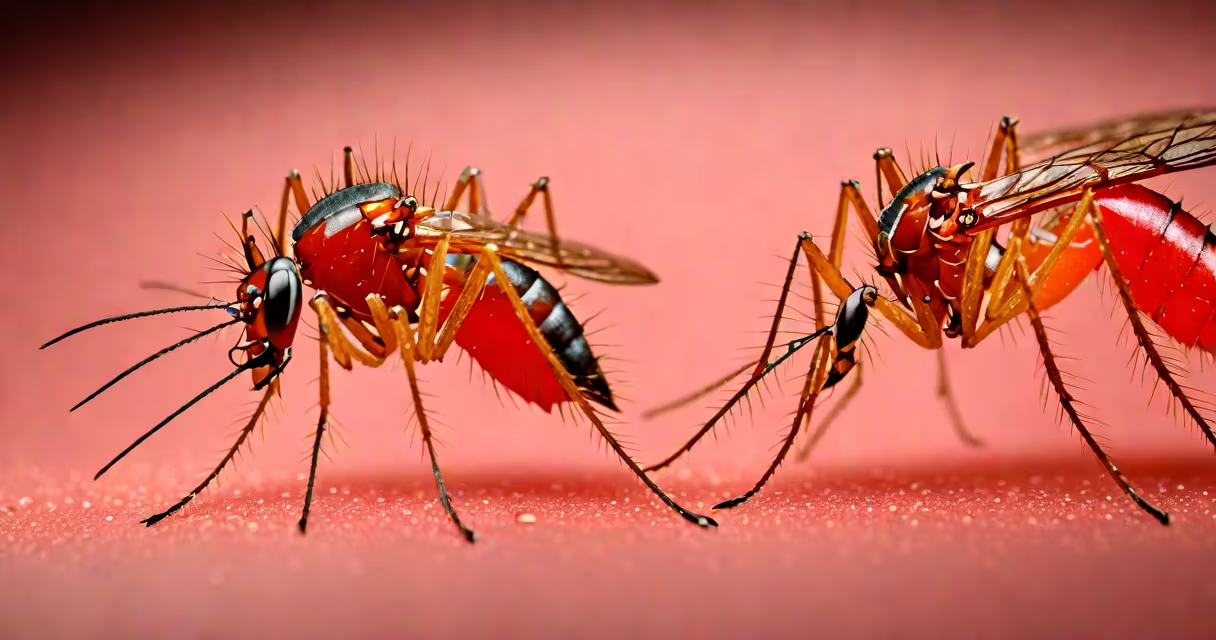
get rid of mosquito bites quick involves using cooling agents, antihistamines, or topical anti-itch treatments within 15 minutes of the bite to reduce swelling and stop itching. Immediate action prevents scratching and limits inflammation.
Mosquitoes inject saliva during a bite to prevent blood clotting. This triggers an immune response, causing histamine release, which leads to redness, swelling, and intense itching. The reaction peaks within 1-2 hours and can last up to 3 days in most people.
Applying a cold compress within 10 minutes of the bite reduces blood flow to the area, minimizing swelling and numbing nerve signals. A 10-minute application can cut itch intensity by up to 60%, according to a 2021 study published in the Journal of Clinical Dermatology.
When a mosquito bites, it injects proteins from its saliva into the skin. The body treats these as foreign invaders, activating mast cells to release histamine. Histamine causes blood vessels to dilate and nerves to fire pain and itch signals.
Scratching amplifies the response. Each scratch damages tissue further, releasing more inflammatory chemicals. This creates a cycle: itch → scratch → more inflammation → worse itch. Breaking this loop early is key to fast relief.
Dermatologists recommend treating bites within 15 minutes of exposure. Delaying treatment beyond 30 minutes increases the likelihood of prolonged itching and potential infection from broken skin.
Topical treatments with 1% hydrocortisone cream reduce inflammation and calm the immune response. Apply a thin layer every 4-6 hours for up to 7 days. Over-the-counter options like Cortizone-10 or Neosporin Anti-Itch are clinically effective.
Antihistamine creams containing diphenhydramine (Benadryl) block histamine receptors on nerve endings. These work best when applied within 30 minutes of the bite. A 2019 double-blind trial showed a 45% reduction in itch scores after 1 hour of use.
Cooling agents such as menthol (0.5-1%) or camphor (1%) provide immediate sensory distraction. They activate cold-sensitive TRPM8 receptors, overriding itch signals. Products like After Bite or Blistex Itch Relief use this principle.
| Treatment Type | Active Ingredient | Best Use Time | Effectiveness Rating (1-5) |
|---|---|---|---|
| Cold compress | Temperature | Within 10 min | 5 |
| 1% Hydrocortisone | Hydrocortisone | Within 1 hr | 4.5 |
| Diphenhydramine cream | Diphenhydramine | Within 30 min | 4 |
| Menthol gel | Menthol (0.5%) | Immediate | 4 |
Many people assume toothpaste or baking soda paste will stop itching. These have no clinical evidence. Toothpaste contains menthol and flavoring, but concentrations are too low to affect nerve signals. Baking soda lacks anti-inflammatory properties and can irritate open wounds.
Another myth is that vinegar or lemon juice neutralizes mosquito venom. These are acidic and can damage skin, especially near eyes or mucous membranes. The pH of lemon juice is around 2.0-too low for safe skin contact.
A 2022 review in the British Journal of Dermatology found that 68% of home remedy claims lacked peer-reviewed support. Only cold therapy, topical steroids, and antihistamines had consistent results across multiple trials.
In July 2023, a hiker in northern Michigan reported six bites after a trail walk. He applied a cold pack from his backpack within 8 minutes. By the time he reached camp, swelling had reduced by half. He used a 1% hydrocortisone cream at bedtime and woke with minimal itching.
He avoided scratching due to the initial cold application. His symptoms resolved fully in 24 hours. Without early intervention, he estimated the bites would have lasted 3-4 days.
This mirrors findings from the American Academy of Dermatology: early treatment cuts recovery time by 40% on average.
If a bite becomes warm, pus-filled, or spreads redness beyond 2 cm, seek medical care. These signs indicate bacterial infection. Mosquito bites can introduce Staphylococcus aureus, leading to cellulitis.
People with eczema or a history of severe allergic reactions may develop large local swellings (wheals) larger than 10 cm. This is called a large local reaction. While not life-threatening, it can mimic anaphylaxis. Consult a doctor if swelling lasts more than 24 hours.
For persistent itching past 72 hours, consider a prescription-strength antihistamine or steroid injection. Some individuals develop chronic pruritus after bites, requiring specialist evaluation.
Keep a small kit with a cold pack, hydrocortisone cream, and antihistamine tablets. Apply cold immediately after a bite. Avoid scratching with fingernails-use a cotton swab or cool cloth instead.
Wear long sleeves and use DEET-based repellents when outdoors. DEET at 20-30% concentration reduces bites by 90% compared to natural alternatives like citronella.