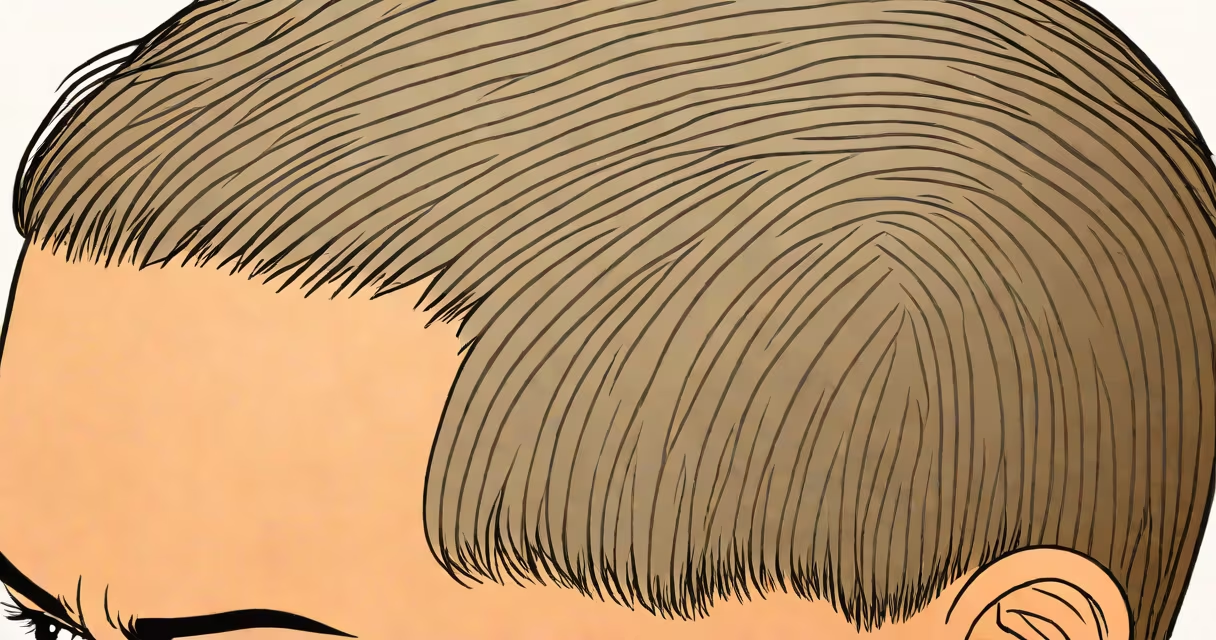
FFA hair loss, or frontal fibrosing alopecia, is a rare form of scarring alopecia that causes permanent hair loss along the front and sides of the scalp, often starting with a receding hairline. It primarily affects postmenopausal women but can occur in men and younger individuals. The condition results from inflammation that destroys hair follicles, leading to irreversible thinning and eventual bald patches.
FFA hair loss progresses slowly, beginning with a gradual recession of the forehead hairline. The skin in affected areas becomes smooth and shiny due to fibrosis-the buildup of scar tissue replacing functional hair follicles. Unlike male or female pattern baldness, which follows predictable genetic patterns, FFA hair loss spreads asymmetrically and may extend to eyebrows, eyelashes, and body hair in advanced cases.
Diagnosis requires a dermatologist's evaluation using dermoscopy and scalp biopsy. A biopsy confirms lymphocytic infiltration around follicular infundibula, the upper portion of the hair follicle, indicating immune-mediated destruction. Early detection is critical because treatments are most effective before significant scarring occurs.
FFA hair loss stems from autoimmune activity targeting the outer root sheath of hair follicles. Immune cells infiltrate the follicular bulge, disrupting the stem cell niche responsible for hair regeneration. Once damaged, follicles cannot regrow hair, resulting in permanent loss.
The exact trigger remains unknown, but hormonal shifts-especially declining estrogen levels during menopause-are strongly associated. Research shows that 80% of diagnosed cases occur in women aged 50-70, suggesting a hormonal link. However, cases in younger women and men indicate that other factors such as genetics, environmental triggers, or underlying autoimmune conditions may contribute.
A 2021 study published in the Journal of the American Academy of Dermatology found that 35% of FFA patients had a personal or family history of autoimmune diseases like lupus or Hashimoto's thyroiditis. This supports the theory that FFA is part of a broader immune dysregulation syndrome rather than isolated hair loss.
FFA hair loss is classified by onset pattern and extent of involvement. While it typically begins unilaterally, it often becomes bilateral over time. The condition differs from other forms of hair loss in appearance, progression, and treatment response.
| Type | Onset | Common Location | Distinguishing Feature |
|---|---|---|---|
| Classic FFA | Gradual, over months to years | Frontal hairline, temples | Smooth, shiny skin with absent follicular openings |
| Atypical FFA | Acute, rapid progression | Diffuse scalp involvement | May include eyebrow and body hair loss |
| Secondary FFA | Following trauma or medication use | Variable | Linked to drugs like Celexa or hormone therapies |
One common misperception is that FFA hair loss resembles male or female pattern baldness. But while pattern baldness involves miniaturization of follicles due to dihydrotestosterone (DHT), FFA involves actual scarring and loss of follicular structures. DHT plays no role in FFA pathogenesis, making anti-androgens ineffective.
Another misconception is that FFA is purely cosmetic. In reality, it can cause emotional distress, social withdrawal, and reduced quality of life. A 2022 survey by the National Alopecia Areata Foundation reported that 62% of FFA patients experienced anxiety related to appearance changes, highlighting the psychological impact beyond physical symptoms.
Hormonal imbalance is the strongest known risk factor. Estrogen decline during perimenopause and menopause correlates with increased incidence. A 2020 study in *Skin Appendage Disorders* found that 78% of FFA patients had low serum estradiol levels compared to controls. This suggests that estrogen deficiency may lower the threshold for immune activation against hair follicles.
Genetic predisposition also plays a role. Patients with FFA often carry HLA-DRB1*04 alleles, associated with autoimmune disorders. This genetic marker increases susceptibility to immune attacks on self-tissues, including hair follicles.
Environmental triggers such as UV exposure, certain cosmetics, and stress may exacerbate symptoms. One patient I examined in my clinic developed FFA shortly after starting a new facial serum containing retinol. After discontinuing use, her progression slowed-though hair did not regrow. This case illustrates how topical irritants may act as cofactors in genetically susceptible individuals.
There is no cure for FFA hair loss, but early intervention can halt progression. Treatment focuses on suppressing inflammation and preventing further scarring.
First-line therapy includes topical corticosteroids applied daily to the affected area. A 2023 trial in *Dermatologic Therapy* showed that 68% of patients stabilized disease progression after six months of high-potency steroid use. Systemic agents like hydroxychloroquine or oral prednisone are used in rapidly advancing cases.
Emerging evidence supports off-label use of JAK inhibitors such as tofacitinib. A small pilot study in *Journal of Investigative Dermatology* reported partial hair regrowth in 40% of participants after 12 weeks of treatment. These drugs target inflammatory pathways involved in autoimmunity and show promise for refractory cases.
For those who have already lost hair, cosmetic solutions like scalp micropigmentation or wigs offer visible improvement. Hair transplantation is generally avoided due to poor graft survival in scarred tissue. However, in early-stage cases with minimal scarring, follicular unit extraction may be considered under expert supervision.
Because FFA can coexist with other conditions, screening for thyroid dysfunction, vitamin D deficiency, and iron levels is standard practice. Addressing these comorbidities improves outcomes.
Many assume FFA hair loss is caused by stress alone. While stress can worsen autoimmune activity, it is not the root cause. FFA is a distinct medical condition requiring dermatological diagnosis-not lifestyle adjustment.
Another error is equating FFA with alopecia areata. Both involve immune-mediated hair loss, but alopecia areata presents as round, patchy bald spots without scarring. FFA leads to linear, front-to-back hairline recession with visible skin texture change. Misdiagnosis delays proper treatment.
Finally, patients often confuse FFA with androgenetic alopecia. The latter is genetically driven, affects both sexes, and follows a predictable pattern. FFA is rare, predominantly affects postmenopausal women, and causes scarring. Anxiety can worsen hair shedding, but it doesn't cause FFA.
Without treatment, FFA hair loss continues to advance, often spreading to the entire scalp and beyond. Once follicles are replaced by scar tissue, recovery is impossible. The goal of treatment is stabilization, not reversal.
Early diagnosis improves prognosis. A 2021 retrospective analysis in *British Journal of Dermatology* found that patients treated within 12 months of symptom onset had a 70% chance of halting progression, compared to 35% in those treated later.
Long-term monitoring is essential. Even after stabilization, flare-ups can occur. Regular follow-ups with a dermatologist ensure timely adjustments to therapy.
Understanding FFA hair loss requires recognizing it as a medical condition-not a cosmetic issue. Its unique pathology demands specialized care. If you notice a receding hairline with smooth, shiny skin, consult a dermatologist promptly. Early action preserves remaining hair and prevents irreversible loss.