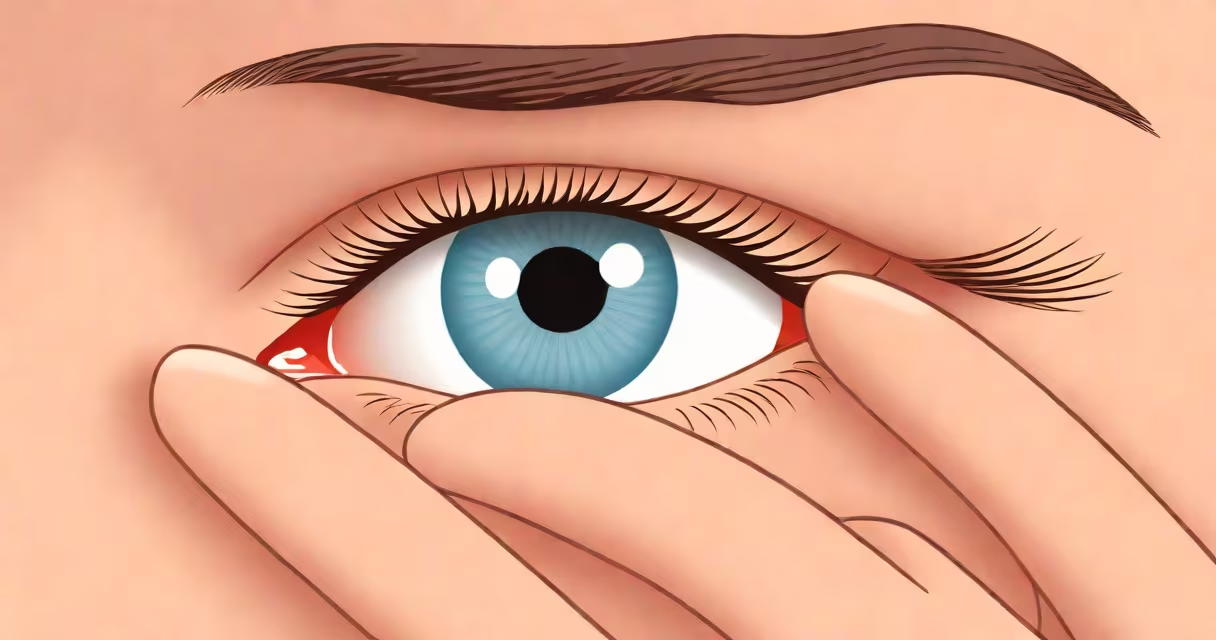
An eye feels itchy when nerve endings in the cornea or conjunctiva detect irritation from allergens, dryness, infection, or environmental irritants. This sensation is often accompanied by redness, tearing, or swelling.
Itchiness in the eye arises from activation of sensory nerves in the ocular surface. These nerves respond to chemical signals released during inflammation or exposure to foreign substances. Common triggers include pollen, dust mites, pet dander, smoke, and contact lens solutions. The sensation is not a sign of a deeper problem in most cases, but persistent or severe itching may indicate an underlying condition requiring medical attention.
The American Academy of Ophthalmology notes that itchy eyes are among the most common reasons patients visit eye care providers, especially during seasonal allergy peaks. A 2021 study published in *Ophthalmology* found that 68% of participants reporting eye itchiness had a confirmed diagnosis of allergic conjunctivitis, highlighting the role of immune response in symptom development.
When allergens such as tree pollen or mold spores enter the eye, immune cells release histamine. Histamine binds to receptors on nerve endings in the conjunctiva, triggering the sensation of itch. This is part of the body's defensive reaction to expel potential threats. The process begins within seconds of exposure and can last hours depending on the dose and individual sensitivity.
Dry eye syndrome contributes to itching through disrupted tear film stability. Tears normally lubricate the eye and wash away debris. When tear production drops or evaporation increases, the ocular surface becomes exposed and sensitive. A 2020 review in *Cornea* reported that 42% of dry eye patients describe persistent eye itchiness, particularly in low-humidity environments or prolonged screen use.
Some infections cause itchiness too. Viral conjunctivitis, often linked to adenovirus, may produce mild itching alongside watery discharge and light sensitivity. Bacterial forms typically cause pus and crusting rather than itch, though secondary irritation can occur. Fungal keratitis is rare but serious and presents with intense pain and itching, requiring immediate treatment.
Eye itchiness falls into several categories based on origin. Allergic conjunctivitis is the most frequent cause, especially in spring and fall. It affects people with known allergies and often occurs bilaterally. Symptoms include redness, swelling, and a gritty feeling along with itchiness.
| Type | Primary Trigger | Typical Duration | Key Signs |
|---|---|---|---|
| Allergic conjunctivitis | Pollen, dust, pet dander | Hours to days | Bilateral itch, redness, tearing |
| Dry eye syndrome | Low humidity, screen time, aging | Chronic, fluctuating | Gritty sensation, intermittent itch, burning |
| Reactive conjunctivitis | Smoke, chlorine, makeup residue | Minutes to hours | Unilateral or bilateral, sharp discomfort |
| Atopic keratoconjunctivitis | Chronic eczema, autoimmune factors | Months to years | Severe itching, eyelid swelling, corneal scarring risk |
One non-obvious distinction: itching from allergies usually improves with cold compresses and antihistamine eye drops. In contrast, dry eye-related itch worsens with blinking and improves slightly with artificial tears. Misidentifying the cause leads to ineffective treatment. For example, using allergy drops for dry eye can delay proper management and increase discomfort.
Itchy eyes paired with vision changes, pain, or discharge that doesn't clear within 48 hours signal a need for evaluation. Corneal abrasions from rubbing or foreign bodies can mimic itchiness but cause sharp pain and photophobia. If the eye feels like something is stuck, even after rinsing, consult a provider.
I've personally experienced this while working outdoors during high-pollen months. After a few days of persistent itchiness and redness, I used over-the-counter antihistamine drops. The relief was temporary. A follow-up with an ophthalmologist revealed mild dry eye exacerbating the allergic response. Switching to preservative-free artificial tears and using a humidifier reduced symptoms.
Redness and itchiness confined to one corner of the eye may indicate a localized issue such as a blocked meibomian gland or a stye. These conditions often involve swelling and tenderness. If the area is warm to touch or develops a small pimple-like bump, warm compresses applied for 10 minutes twice daily can help. If no improvement in 48 hours, see a clinician.
For mild cases, avoid rubbing the eyes. Rubbing spreads allergens and can damage the cornea. Use clean hands and wash face regularly. Keep windows closed during high pollen counts and use HEPA filters indoors. Avoid wearing contact lenses during flare-ups unless prescribed for extended wear.
Over-the-counter antihistamine eye drops like ketotifen (Zaditor) reduce itchiness within 15 minutes and provide relief for up to 12 hours. They're safe for daily use in adults and children over 3. Artificial tears without preservatives help maintain moisture and flush out irritants. Apply every 2-4 hours as needed.
Eye feels itchy is a common but manageable condition. Recognizing triggers and responding appropriately reduces disruption to daily life. Persistent or worsening symptoms require professional assessment to rule out treatable disorders.