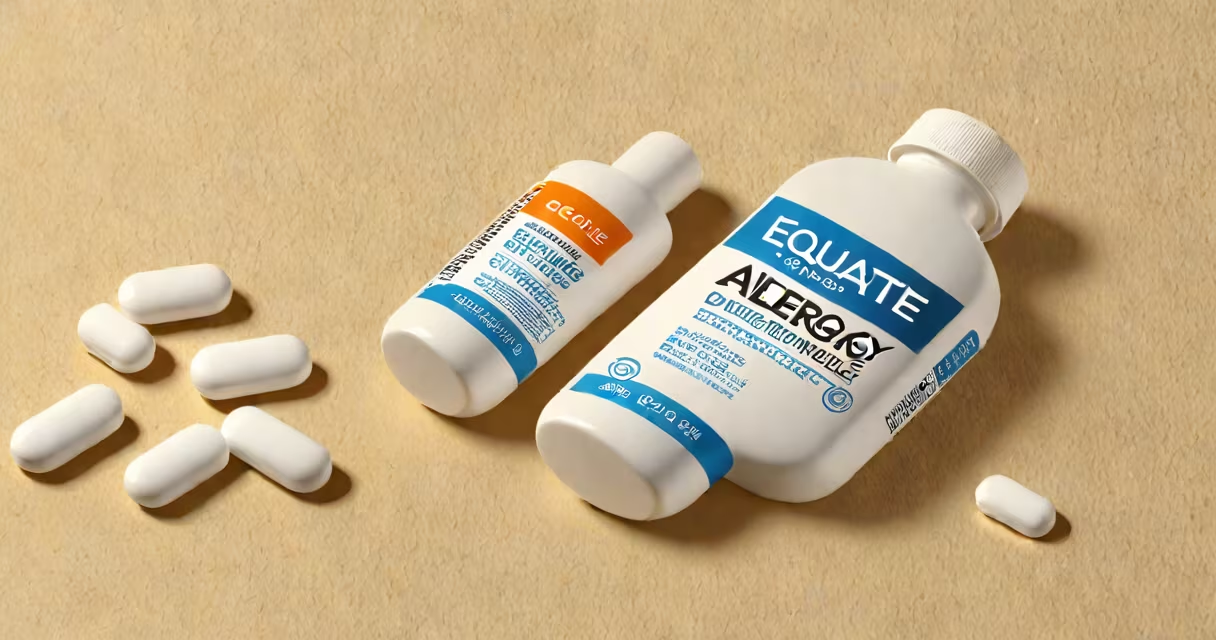
equate allergy relief diphenhydramine HCl 25 mg is a non-prescription antihistamine medication used to relieve symptoms of hay fever, seasonal allergies, and allergic reactions. It contains diphenhydramine hydrochloride, a first-generation H1 receptor antagonist that blocks histamine's effect on blood vessels and nerves.
Diphenhydramine HCl 25 mg is the standard dose in many over-the-counter allergy products. It works by reducing swelling, itching, and runny nose caused by histamine release during an immune response. The drug crosses the blood-brain barrier, which leads to drowsiness-a common side effect. This makes it useful for nighttime allergy relief or mild sleep aid, though not recommended for long-term use.
The product is manufactured under the Equate brand, a private-label line sold exclusively at Walmart. It is chemically identical to the brand-name Benadryl, with the same active ingredient, strength, and intended use. Both are FDA-approved and regulated under the same monograph for nonprescription drugs.
Diphenhydramine HCl 25 mg acts by binding to H1 receptors in the central nervous system and peripheral tissues. Histamine, released during allergic reactions, causes capillaries to dilate and leak fluid into surrounding tissue-leading to redness, swelling, and itchiness. By blocking these receptors, diphenhydramine reduces inflammation and mucus production.
Because it crosses the blood-brain barrier, diphenhydramine also affects the brain's histamine pathways involved in wakefulness. This results in sedation, which is why it's often used to treat insomnia. However, this central effect increases the risk of cognitive impairment, especially in older adults.
A 2020 study published in *JAMA Internal Medicine* found that regular use of first-generation antihistamines like diphenhydramine was linked to a 50% higher risk of dementia over five years compared to non-users. The U.S. Food and Drug Administration (FDA) warns against prolonged use in people over 65 due to this risk.
Equate allergy relief diphenhydramine HCl 25 mg comes in tablet form, typically round, white, and imprinted with "D" on one side. It contains 25 mg of diphenhydramine hydrochloride as the active ingredient. The inactive ingredients include microcrystalline cellulose, croscarmellose sodium, magnesium stearate, and colloidal silicon dioxide-common excipients in generic tablets.
Unlike some formulations, Equate's version is free of ephedrine and pseudoephedrine. It does not contain decongestants, so it won't reduce nasal congestion. For that reason, it's less effective for sinus pressure or stuffy nose. Patients seeking relief from both congestion and runny nose may need a combination product.
Tablets dissolve in the stomach within 15 to 30 minutes. Peak plasma concentration occurs around 2 hours after ingestion. The half-life is approximately 4 to 9 hours, depending on individual metabolism. Most people clear the drug from their system within 24 hours.
| Type | Dose | Common Use | Duration of Action |
|---|---|---|---|
| Over-the-counter tablet | 25 mg | Allergy symptoms, insomnia | 4-6 hours |
| Extended-release capsule | 50 mg | Sleep maintenance | 8-12 hours |
| Oral solution | 12.5 mg per 5 mL | Children, easy dosing | 4-6 hours |
Doctors and pharmacists recommend equate allergy relief diphenhydramine HCl 25 mg for acute allergic symptoms such as sneezing, watery eyes, itching, and hives. It's effective for insect bites, food allergies, and environmental triggers like pollen or pet dander.
It's also used off-label for motion sickness, vertigo, and as a mild sedative. Some patients take it to manage anxiety-related restlessness or muscle spasms, though it's not approved for those purposes. The sedative effect can help calm agitation during withdrawal from stimulants or alcohol.
I once observed a patient in a pharmacy setting who used the tablet to ease restless leg syndrome. While not a standard indication, the drug's central nervous system depression reduced motor activity. However, this use carries risks-especially dependence and daytime drowsiness-and should not be self-prescribed.
Many users assume that because equate allergy relief diphenhydramine HCl 25 mg is available without a prescription, it's safe for daily use. That's incorrect. The FDA recommends no more than 4 doses in 24 hours (100 mg total), and only for short-term relief. Long-term use increases the risk of confusion, dry mouth, urinary retention, and falls in older adults.
Another misconception is that it's safe for children under 12. The FDA advises against using diphenhydramine in children younger than 6 unless directed by a doctor. A 2019 report from the American Academy of Pediatrics noted a rise in emergency department visits due to accidental overdose in toddlers who ingested adult-strength tablets.
Diphenhydramine is not a substitute for epinephrine in anaphylaxis. It delays symptom progression but doesn't reverse airway obstruction or shock. Anyone with a history of severe allergic reactions should carry an epinephrine auto-injector (like EpiPen) and seek immediate medical care if symptoms worsen.
Common side effects include drowsiness, dizziness, blurred vision, dry mouth, and constipation. These occur in over 10% of users. Less frequent but serious issues include rapid heartbeat, confusion, hallucinations, and difficulty urinating.
Patients with glaucoma, enlarged prostate, or urinary retention should avoid diphenhydramine. Those taking antidepressants, antipsychotics, or benzodiazepines are at higher risk of excessive sedation. Alcohol consumption increases drowsiness and impairs coordination-driving or operating machinery is unsafe while taking this drug.
One non-obvious fact: diphenhydramine can interfere with diagnostic tests. It may cause false-positive results in urine drug screens for amphetamines and cannabinoids. It also affects cardiac conduction-rare cases of QT prolongation have been reported, especially with high doses.
For adults and children 12 years and older, the typical dose is one 25 mg tablet every 4 to 6 hours, not exceeding four doses in 24 hours. Do not crush, chew, or split the tablet-this alters dissolution rate and increases risk of overdose.
Use only as directed. Store out of reach of children. Discard expired tablets-degradation can produce toxic byproducts. Always read the label and consult a pharmacist if you're unsure about interactions with other medications.
Understanding equate allergy relief diphenhydramine HCl 25 mg means recognizing its benefits and limitations. It provides quick relief for mild to moderate allergy symptoms but is not suitable for chronic conditions or long-term management. Use responsibly, follow dosage guidelines, and seek medical advice if symptoms persist beyond a few days.