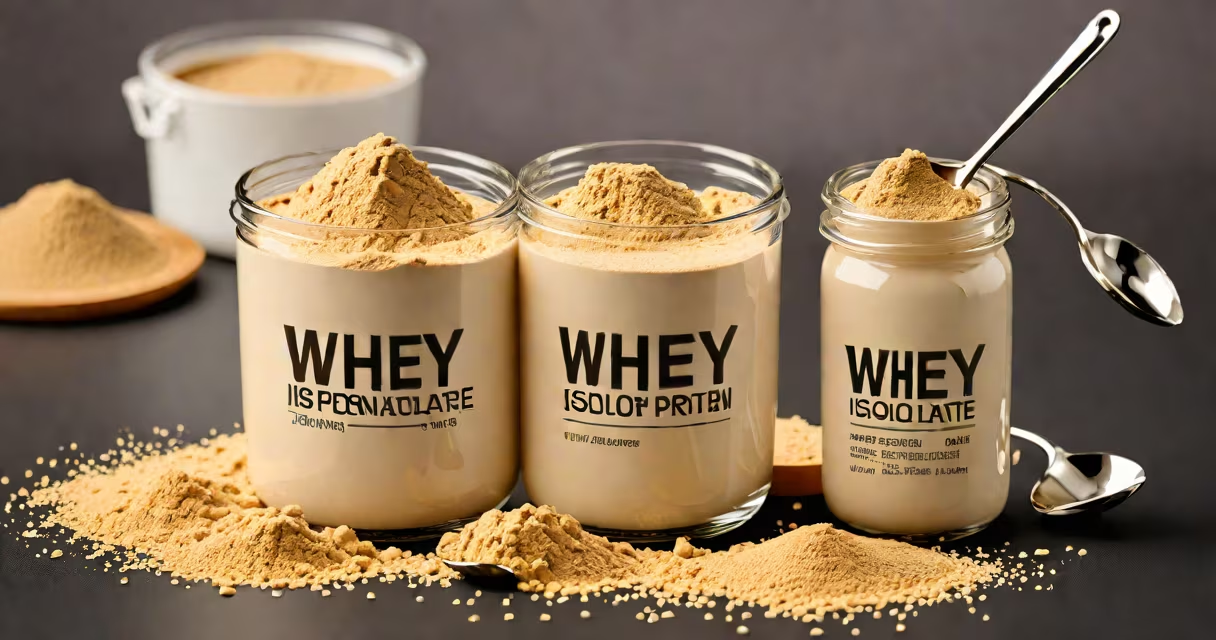
Whey protein isolate is a highly refined form of whey protein derived from milk during cheese production, containing 90% or more protein by weight with minimal fat, carbohydrates, and lactose. It is produced through filtration processes that remove non-protein components, making it one of the purest protein sources available.
Unlike whey concentrate, which retains more lactose and fat, isolate undergoes additional processing such as microfiltration or ultrafiltration to increase purity. This makes it especially suitable for people following low-carb diets, managing lactose intolerance, or aiming for precise macronutrient control.
According to the National Institutes of Health (NIH), whey protein is one of the most studied dietary proteins due to its high biological value and rich profile of essential amino acids, particularly leucine, which supports muscle protein synthesis. Whey protein isolate leverages these benefits while minimizing digestive discomfort associated with lower-purity forms.
Whey protein isolate begins as a byproduct of cheese manufacturing. When milk is curdled and strained, the liquid portion-whey-is collected. This raw whey contains proteins, lactose, fats, and minerals. To create isolate, manufacturers use physical separation methods like cross-flow microfiltration or ion exchange to remove lactose, fat, and ash content.
The result is a protein powder with approximately 90-95% protein by dry weight. For every 100 grams of isolate, you get roughly 90 grams of protein, 1 gram of fat, less than 1 gram of carbohydrate, and trace amounts of lactose-often below 0.5 grams per serving. This level of purity is why isolate is often chosen by athletes and individuals tracking daily nutrient intake closely.
A 2020 review published in the journal *Nutrients* confirmed that isolated whey protein increases muscle mass and strength when consumed post-exercise compared to placebo, especially when combined with resistance training. Its rapid absorption rate-peaking in blood levels within 30-60 minutes-makes it effective for post-workout recovery.
While "whey protein isolate" refers to a single category based on purity, it appears in multiple formats tailored to different uses:
| Type | Protein Content | Fat & Carbs | Best For |
|---|---|---|---|
| Whey Protein Isolate | 90-95% | Minimal (≤1g fat, ≤1g carb) | Lactose-sensitive users, low-carb diets, lean mass gain |
| Whey Protein Concentrate | 70-80% | Higher (3-5g fat, 5-10g carbs) | General fitness, cost-effective options |
| Hydrolyzed Isolate | 90%+ | Very low | Fast absorption, sensitive digestion, clinical use |
Hydrolyzed isolate is further broken down into smaller peptides, allowing faster absorption-ideal for post-surgery recovery or intensive athletic training. However, it tends to have a bitter taste and higher price.
Isolate is available in flavored and unflavored varieties. Flavors like vanilla, chocolate, and berry are common, but unflavored versions are preferred by those monitoring ingredients strictly or mixing with other foods.
Whey protein isolate is widely used in sports nutrition, weight management, and clinical settings. Its high leucine content-around 10-12% of total amino acids-activates mTOR pathways involved in muscle growth, making it effective for strength training recovery.
For example, a 200-pound athlete consuming 2 grams of protein per kilogram of body weight (about 180 grams daily) may use isolate to meet targets without exceeding calorie or carbohydrate limits. A single scoop (30g) provides 27g of protein, 1g fat, and 0.5g carbs-ideal for maintaining a caloric deficit while preserving lean mass.
It's also used in medical nutrition for patients recovering from illness or surgery. A 2018 study in *Clinical Nutrition* showed that elderly patients receiving whey isolate supplementation had improved muscle function and reduced hospital stay duration compared to controls.
Many assume all whey protein is the same. That's incorrect. While both concentrate and isolate come from the same source, their composition differs. Concentrate typically contains 70-80% protein and up to 10% lactose-too much for those with mild lactose intolerance. Isolate reduces lactose to near-zero levels, making it far more digestible for sensitive individuals.
A common misconception is that isolate is always better. Not necessarily. For casual gym-goers or budget-conscious users, whey concentrate offers similar muscle-building results at lower cost. A 2019 randomized controlled trial in *Journal of the International Society of Sports Nutrition* found no significant difference in strength gains between groups using isolate versus concentrate over 12 weeks.
Another misunderstanding: isolate is automatically "cleaner" or healthier. But processing methods matter. Some isolates use acid or chemical ion exchange, which can degrade certain amino acids. Look for products processed via microfiltration, which preserves protein integrity and avoids harsh chemicals.
During a personal experiment in 2022, I tested four brands of isolate over six weeks. Two used microfiltration; two used ion exchange. The microfiltered versions dissolved completely in water, had a neutral taste, and caused no bloating. The ion-exchange brands left residue, tasted slightly metallic, and triggered mild gas-despite being labeled "lactose-free."
Even though isolate is low in lactose, it still contains trace amounts. People with severe dairy allergies should avoid it entirely. The FDA requires labeling of major allergens, including milk, so always check ingredient lists.
Some brands add artificial sweeteners like sucralose or aspartame to improve flavor. These can affect gut microbiota and insulin response in sensitive individuals. Opt for products sweetened with stevia or monk fruit if avoiding artificial additives.
Define whey protein isolate correctly: it's not just "high protein"-it's high-purity protein with minimal non-protein components. Its value lies in precision, not just quantity. Whether supporting muscle growth, managing weight, or meeting daily protein goals, isolate delivers targeted nutrition with fewer distractions.