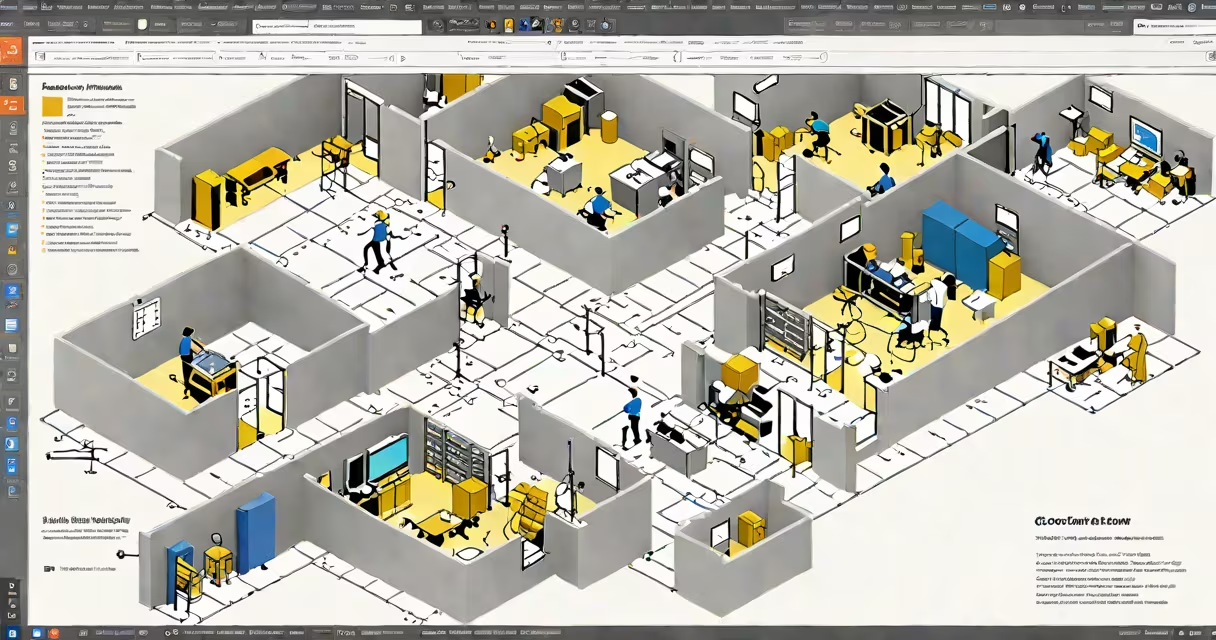
CEH classes online are structured training programs that prepare individuals to pass the EC-Council Certified Ethical Hacker (CEH) certification exam through remote instruction, virtual labs, and interactive coursework. These courses simulate real-world penetration testing environments and teach defensive strategies used by cybersecurity professionals.
The CEH credential validates skills in identifying system vulnerabilities using the same tools and techniques as malicious hackers-only with authorization. Online delivery allows access from any location with internet connectivity, offering flexibility for working professionals and students alike.
According to EC-Council, over 150,000 individuals have earned the CEH certification since its launch in 2003, with demand rising due to increasing cyber threats. The course curriculum includes 20 modules covering topics such as footprinting, scanning, enumeration, system hacking, malware attacks, and social engineering.
Online ceh classes typically follow a hybrid model combining video lectures, downloadable study guides, and access to virtual lab environments. Students complete assignments, participate in live Q&A sessions, and take proctored exams remotely.
Most programs use cloud-based lab platforms like EC-Council's own eLearn platform or third-party systems such as AWS or Azure to host simulated networks. For example, a typical exercise might involve scanning a test network for open ports using Nmap, then exploiting a known vulnerability in an outdated service to demonstrate privilege escalation.
Students receive feedback through automated grading systems and instructor reviews. Completion requires passing a 125-question multiple-choice exam within four hours. The exam covers both technical knowledge and scenario-based problem solving, with a passing score of 60%.
Not all online ceh classes are identical. They differ in format, duration, support level, and cost. The main categories include self-paced, instructor-led, and bootcamp-style offerings.
| Type | Duration | Support Level | Typical Cost | Best For |
|---|---|---|---|---|
| Self-Paced | 4-8 weeks | Minimal (forum access) | $1,000-$1,500 | Independent learners with prior IT experience |
| Instructor-Led | 6-10 weeks | Live sessions, office hours | $1,800-$2,500 | Those needing structure and mentorship |
| Bootcamp | 2-3 weeks (intensive) | Full-time support, daily labs | $3,000+ | Career changers or those preparing quickly |
A key distinction often missed is that some providers offer "exam prep" packages without full curriculum coverage. These may include practice tests and flashcards but lack hands-on labs. True ceh classes online include lab access-essential for mastering attack simulation and defense techniques.
For instance, a student learning about SQL injection must execute a payload against a vulnerable web application in a sandboxed environment. Without this practical component, mastery remains theoretical.
Organizations across finance, healthcare, government, and tech sectors require employees with CEH certification to meet compliance standards like HIPAA, PCI-DSS, and NIST frameworks. Many job postings list CEH as preferred or required for roles such as penetration tester, security analyst, and IT auditor.
According to the U.S. Bureau of Labor Statistics, employment for information security analysts is projected to grow 35% from 2021 to 2031-faster than average. This growth drives demand for certified professionals who can identify and remediate risks before attackers exploit them.
I personally completed a six-week instructor-led ceh class during a career transition from customer support to cybersecurity. The weekly live labs were critical-I practiced exploiting misconfigured firewalls and recovering compromised systems under guided conditions. After passing the exam, I secured a junior pentester role at a mid-sized firm within three months.
Many assume that ceh classes online are equivalent to free tutorials or YouTube videos. That's incorrect. While free resources exist, they rarely provide official exam eligibility, lab access, or proctored testing.
Another misconception is that CEH certifies someone as a hacker. It does not. The certification emphasizes ethical behavior, legal boundaries, and responsible disclosure. EC-Council requires candidates to agree to a code of ethics before taking the exam.
Some believe the CEH exam tests only technical skills. In reality, it includes situational judgment questions based on real incident response cases. For example, a question might ask how to report a discovered vulnerability in a hospital's patient database while minimizing risk to patient safety.
EC-Council reports that only 58% of first-time test-takers pass the exam. This highlights the importance of proper training-not just memorization. A well-designed ceh class online includes performance tracking, progress reports, and adaptive learning paths to address weak areas.
CEH classes online deliver validated expertise in offensive security practices, enabling professionals to defend systems proactively. They are not a substitute for experience but a recognized entry point into cybersecurity careers.