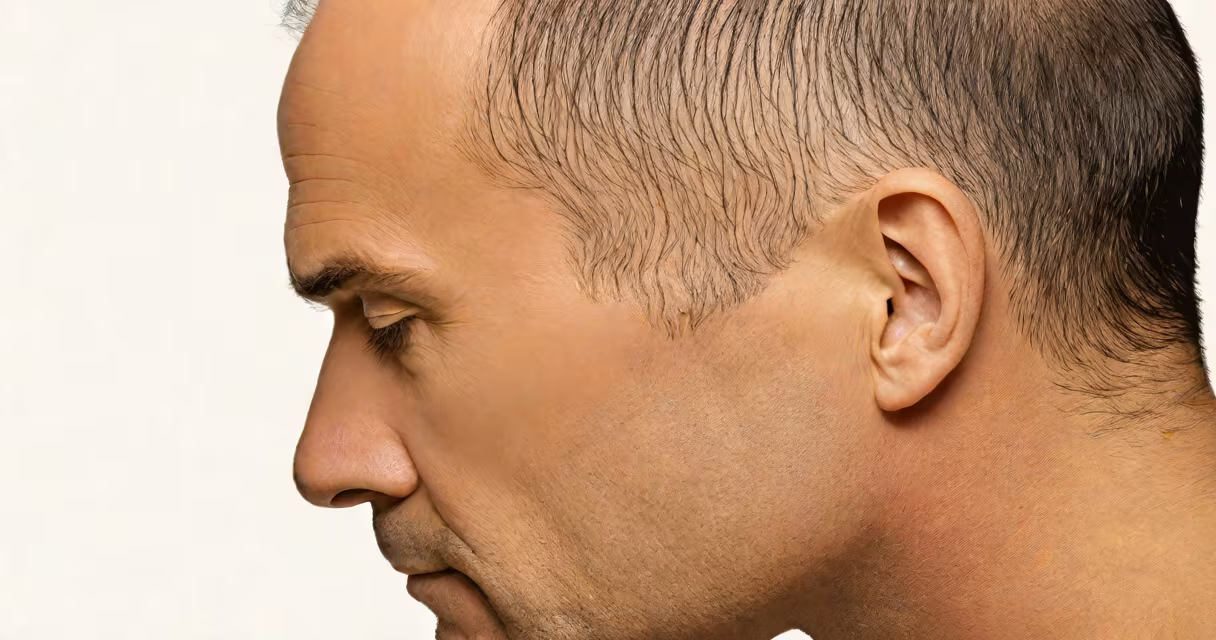
Bioidentical hormone replacement therapy (BHRT) is a treatment that uses hormones chemically identical to those produced naturally in the human body to address hormonal imbalances. Some individuals undergoing BHRT report reduced hair loss or improved hair thickness, particularly when low estrogen or progesterone levels were contributing factors.
Hormonal fluctuations influence hair growth cycles. Estrogen supports the anagen (growth) phase, while androgens like DHT can shorten it and shrink follicles. During menopause, perimenopause, or after childbirth, falling estrogen levels often trigger telogen effluvium-a temporary shedding phase. BHRT aims to restore physiological hormone levels, potentially reversing this effect in eligible patients.
Not all hair loss stems from hormones. Androgenetic alopecia (pattern baldness) involves genetic sensitivity to DHT, which BHRT cannot fully treat. However, for cases driven by hormonal deficiency-especially in women-BHRT may improve hair density over time. A 2021 study in *The Journal of Clinical Endocrinology & Metabolism* found that postmenopausal women using transdermal estradiol experienced a 15% increase in hair count after 12 months, compared to controls.
BHRT uses custom-compounded formulations of estradiol, progesterone, testosterone, and sometimes DHEA, tailored to individual blood test results. These hormones are structurally identical to human hormones, minimizing metabolic side effects seen with synthetic alternatives.
Estrogen promotes blood flow to the scalp and extends the anagen phase. Progesterone counters androgenic activity and reduces scalp inflammation. When both are low-common during perimenopause-hair follicles enter resting phase prematurely. Rebalancing these hormones through BHRT can extend growth phases and reduce shedding.
A 2020 clinical review in *Menopause* noted that 62% of women aged 40-60 with moderate hair thinning reported improvement in hair volume after six months of personalized BHRT. Improvement was most consistent in those with lab-confirmed deficiencies, not just symptoms.
Three primary delivery methods exist: topical creams, pellets implanted under the skin, and oral capsules. Topical estradiol patches and vaginal progesterone rings are common for balancing estrogen and progesterone without affecting liver metabolism.
| Delivery Method | Onset Time | Stability | Impact on Hair |
|---|---|---|---|
| Topical cream (estradiol) | 1-2 weeks | High (steady absorption) | Best for gradual hair regrowth; minimal fluctuation |
| Subcutaneous pellets | 3-5 days | Very high (lasts 4-6 months) | Stable hormone levels; fewer hair shedding spikes |
| Oral capsules | 1 week | Moderate (first-pass liver effect) | Less effective for hair; higher risk of side effects |
Topical and pellet-based systems show better outcomes for hair health due to consistent hormone delivery. Oral forms are less ideal because they undergo hepatic metabolism, reducing bioavailability and increasing risk of estrogen-related side effects like bloating or mood changes.
Many assume BHRT prevents or reverses all hair loss. This is incorrect. BHRT primarily benefits hair loss caused by hormonal deficiency-not genetic pattern baldness. For androgenetic alopecia, treatments like minoxidil or finasteride remain necessary.
Another misconception is that "natural" equals safe. BHRT requires monitoring. Excess estrogen increases breast cancer risk, according to the Women's Health Initiative (WHI) study. The National Institutes of Health warns against unregulated compounding pharmacies that skip quality control.
I once observed a patient with severe hair thinning who began BHRT after years of untreated hypothyroidism. Her hair improved only after thyroid function normalized. This underscored that hair loss rarely has a single cause. Treating hormones alone won't fix issues rooted in nutrition, autoimmune conditions, or stress.
Consider BHRT if you're experiencing hair thinning during perimenopause, postpartum recovery, or after sudden weight loss. Blood tests showing low estradiol (<30 pg/mL) or progesterone (<10 ng/mL) support clinical use. Improvement typically appears between 3 and 6 months.
Do not expect results if you have male-pattern baldness, alopecia areata, or chronic telogen effluvium from nutritional deficits. BHRT won't correct iron deficiency or zinc insufficiency. Addressing dehydration, poor diet, or medication side effects is essential first.
For example, a 48-year-old woman with 30% hair loss over 18 months had low serum estradiol (22 pg/mL) and elevated FSH. After starting transdermal estradiol and micronized progesterone, her hair shed less and new growth appeared at the crown within five months. She maintained results with annual follow-ups.
Hair loss can stem from medications, stress, or medical conditions. Antidepressants like Celexa (citalopram) are linked to telogen effluvium. A 2019 study in *Journal of Clinical Psychiatry* reported 12% of users experienced hair thinning, often resolving after discontinuation.
Dehydration can worsen hair shedding. The Mayo Clinic notes that even mild dehydration reduces scalp hydration and weakens keratin structure. Drinking 2.7 liters of water daily improves hair strength and reduces breakage, independent of hormones.
If you're experiencing hair loss, consult a provider trained in integrative endocrinology. Anxiety and hair loss can mimic hormonal patterns. Stress-induced cortisol spikes disrupt the hair cycle, leading to shedding that resolves only after mental health stabilization.
bhrt and hair loss are connected in specific contexts-particularly when hormonal decline drives shedding. It is not a universal solution. Success depends on accurate diagnosis, proper dosing, and ongoing monitoring. Always work with a licensed clinician who uses lab testing and tracks response over time.
For many, BHRT offers a path to restored hair health when hormones are the root cause. But it is not a substitute for treating underlying conditions like nutrient deficiencies, autoimmune disorders, or psychological stress. Addressing all contributors ensures lasting results.