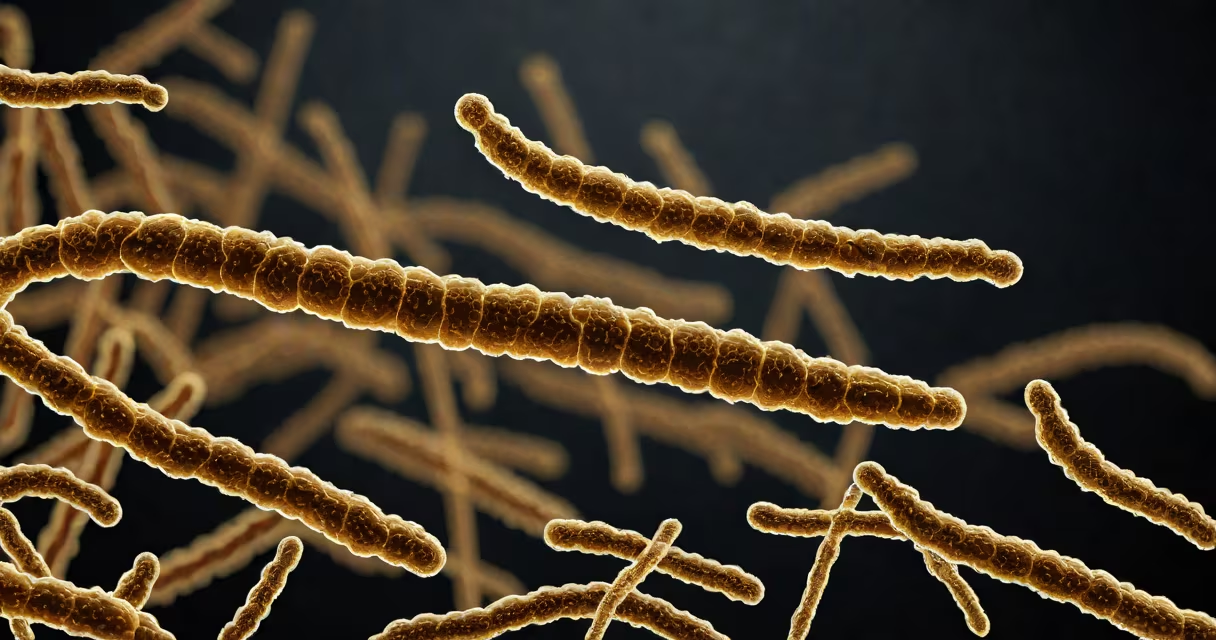
A bacilli bacteria infection results from rod-shaped, Gram-positive bacteria such as Bacillus cereus or Bacillus anthracis. These organisms thrive in soil, water, and decaying matter, and can enter the human body through wounds, ingestion, or inhalation, leading to localized or systemic illness.
Bacilli belong to the phylum Firmicutes and include both harmless environmental strains and pathogenic species. Their rod-like shape and ability to form spores allow them to survive harsh conditions, making them resilient in hospitals and clinics. Infections occur when these bacteria breach natural defenses, especially in immunocompromised individuals or those with open wounds.
According to the Centers for Disease Control and Prevention (CDC), Bacillus species are responsible for rare but serious infections, including sepsis, endocarditis, and meningitis, particularly in patients with indwelling medical devices. The American Society for Microbiology notes that while most bacilli are non-pathogenic, certain strains can produce toxins linked to foodborne illness.
When bacilli bacteria enter the body, they may colonize tissues or invade deeper systems. Entry points include cuts, surgical sites, or contaminated food. Once inside, they replicate rapidly and trigger immune responses that manifest as fever, swelling, pain, or fatigue.
For example, Bacillus cereus causes two forms of food poisoning: emetic (vomiting) and diarrheal. The emetic form results from consuming rice dishes left at room temperature, where the bacteria produce heat-stable cereulide toxin. Symptoms appear within 1-6 hours and last less than 24 hours. This contrasts with typical gastrointestinal infections caused by Salmonella or E. coli, which take longer to develop.
Another route is nosocomial (hospital-acquired) infection. A 2021 study in *Clinical Infectious Diseases* documented a case of Bacillus cereus bloodstream infection in a patient receiving intravenous nutrition. The source was traced to a contaminated infusion bag, highlighting risks in sterile procedures.
Bacilli bacteria fall into several categories based on their traits and disease associations:
| Type | Common Species | Typical Infection Site | Transmission Route |
|---|---|---|---|
| Spore-forming | Bacillus anthracis, B. cereus | Lungs, skin, GI tract | Inhalation, ingestion, wound exposure |
| Non-spore-forming | Bacillus subtilis (rarely pathogenic) | Environment, food | Contaminated food, soil contact |
Spore-forming bacilli are the primary concern due to their durability. Bacillus anthracis, for instance, causes anthrax-a rare but deadly disease affecting livestock and humans in endemic regions. Inhalational anthrax has a mortality rate exceeding 80% if untreated, according to the World Health Organization (WHO).
Foodborne infections are more common. B. cereus contamination occurs in improperly stored cooked rice, fried foods, and sauces. A 2019 outbreak in a U.S. school cafeteria involved 47 students who developed vomiting within four hours of eating rice-based curry. Testing confirmed B. cereus in leftover samples.
Diagnosing bacilli bacteria infection relies on culture, staining, and molecular testing. Gram staining reveals rod-shaped cells that appear purple under microscopy. However, distinguishing pathogenic from non-pathogenic strains requires additional tests, such as toxin detection or PCR analysis.
Antibiotic resistance is a growing issue. Some Bacillus species show intrinsic resistance to penicillin and cephalosporins. A 2020 report in *Antimicrobial Agents and Chemotherapy* found that 35% of clinical B. cereus isolates were resistant to erythromycin. Misdiagnosis or delayed treatment increases complications, especially in elderly or immunocompromised patients.
Treatment depends on the site and severity. Skin infections may respond to topical mupirocin or oral clindamycin. Systemic infections require IV antibiotics like vancomycin or linezolid. For foodborne cases, supportive care-hydration, rest-is usually sufficient, as symptoms resolve within 24 hours.
Many confuse bacilli bacteria infection with other bacterial illnesses. Unlike Escherichia coli or Staphylococcus aureus, bacilli do not commonly cause skin abscesses or urinary tract infections (UTIs). When they do, the presentation differs: bacilli UTIs are rare and often linked to catheter use or prior surgery.
Another misconception is that all rod-shaped bacteria are bacilli. While shape defines the group, not all rods are pathogenic. Bacillus subtilis, for example, is widely used in industrial fermentation and is generally safe. Its presence in lab samples does not indicate disease.
In 2022, a 68-year-old man underwent abdominal surgery. Post-op, he developed fever, chills, and low blood pressure. Blood cultures drawn on day three grew Gram-positive rods. Identification via MALDI-TOF mass spectrometry confirmed Bacillus cereus.
The patient had no history of food poisoning or recent travel. He had received broad-spectrum antibiotics preoperatively. The infection likely originated from a contaminated surgical glove. After switching to vancomycin and removing the infected drain, his condition improved within 72 hours.
This case illustrates how bacilli infections can emerge unexpectedly in healthcare settings. Routine sterilization protocols failed, allowing spores to survive. The patient's recovery underscores the importance of timely diagnosis and targeted therapy.
Understanding bacilli bacteria infection involves recognizing their unique biology, transmission routes, and clinical presentations. They are not the usual suspects in common infections but remain a threat in vulnerable populations and high-risk environments.