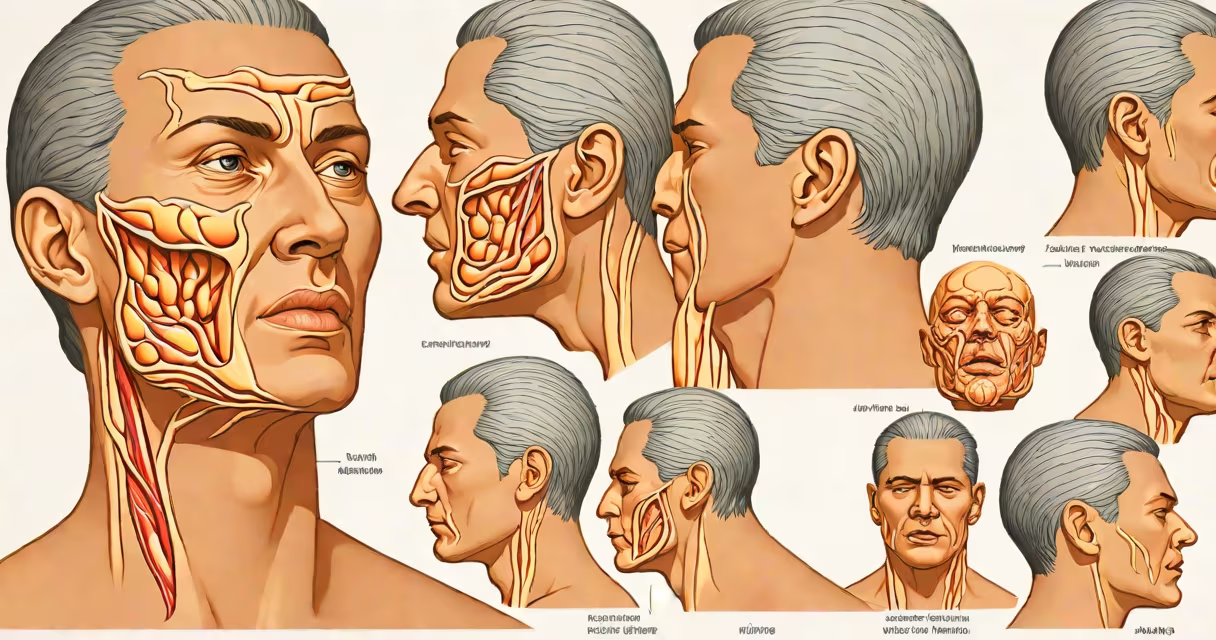
An acute dystonic reaction is a sudden, involuntary muscle contraction caused by certain medications, most commonly antipsychotics or antiemetics, occurring within hours of drug initiation or dose increase. It presents as painful, sustained muscle spasms affecting the face, neck, trunk, or limbs, often requiring urgent medical intervention.
This condition arises from dopamine receptor blockade in the basal ganglia, disrupting motor control pathways. It typically appears within 24 hours of starting or increasing a dose of a dopamine-blocking agent. While rare, occurring in approximately 0.1% to 1% of patients on typical antipsychotics, it is more common in younger males and those receiving high-potency agents like haloperidol.
Common triggers include first-generation antipsychotics such as fluphenazine, chlorpromazine, and haloperidol, as well as metoclopramide used for gastrointestinal motility. The reaction usually resolves within minutes to hours after administration of antidotes like diphenhydramine or benztropine, though untreated cases may lead to complications such as airway obstruction or rhabdomyolysis.
The brain's motor system relies on a balance between dopamine and acetylcholine. Antipsychotic drugs block D2 dopamine receptors in the striatum, a region of the basal ganglia involved in movement regulation. This imbalance leads to excessive cholinergic activity, resulting in uncontrolled muscle contractions.
Unlike tardive dyskinesia-a delayed, persistent movement disorder that develops after months or years of exposure-acute dystonic reactions occur rapidly and are reversible with prompt treatment. The onset is often abrupt, with patients reporting sudden neck twisting, jaw clenching, or eye rolling within minutes to hours after drug administration.
A 2021 review in *Neurology* noted that while most cases resolve within 30 minutes of benzodiazepine or anticholinergic therapy, failure to recognize the condition can result in unnecessary procedures or prolonged distress. One documented case involved a 22-year-old man who developed torticollis after his first dose of haloperidol; symptoms resolved completely after intramuscular diphenhydramine.
Acute dystonic reactions manifest in several distinct forms based on affected body regions. The most common presentations include:
| Type | Common Symptoms | Typical Triggers |
|---|---|---|
| Oculogyric crisis | Eyes fixed upward, nystagmus, photophobia | Haloperidol, prochlorperazine |
| Torticollis | Neck rotation or flexion, pain, difficulty speaking | Fluphenazine, promethazine |
| Opisthotonus | Back arching, rigid posture, respiratory strain | High-dose antipsychotics, metoclopramide |
| Facial grimacing | Chewing movements, tongue protrusion, drooling | Thioridazine, ziprasidone |
Facial and oropharyngeal involvement can mimic stroke or seizure. A patient may appear to be having a seizure due to sustained grimacing or jaw locking, but EEG shows no epileptiform activity. Misdiagnosis is common-up to 25% of cases initially receive incorrect neurological evaluations.
One study published in *The Journal of Clinical Psychiatry* reported that oculogyric crises were more frequent in individuals under 30 and occurred more often after IV administration of antipsychotics compared to oral dosing.
Acute dystonic reactions primarily occur in clinical settings involving psychiatric care, emergency departments, or outpatient prescribing of antipsychotics. They are less common in primary care but still possible when medications like metoclopramide are prescribed off-label for migraines or nausea.
High-risk populations include adolescents, young adults, and individuals with a history of movement disorders. Genetic factors may play a role-some evidence suggests polymorphisms in the DRD2 gene influence susceptibility, though this remains under investigation.
Despite being rare, the condition is clinically significant because it can cause severe distress and physical injury. A patient experiencing torticollis may sustain cervical spine strain or develop aspiration pneumonia if swallowing is impaired. In extreme cases, airway compromise requires intubation.
Acute dystonic reaction is frequently mistaken for seizures, stroke, or conversion disorder. Unlike epileptic seizures, which involve altered consciousness and rhythmic jerking, dystonic episodes lack postictal confusion and show no abnormal EEG findings. The absence of limb jerking and preserved mental status helps differentiate it.
It is also often confused with tardive dyskinesia. While both involve abnormal movements, tardive dyskinesia develops slowly-over weeks to months-and features choreoathetoid movements (writhing, purposeless motions) in the face, tongue, and extremities. Acute dystonic reactions are sudden, sustained, and painful, with clear temporal association to medication initiation.
A critical distinction lies in timing: acute dystonic reactions occur within hours to days; tardive dyskinesia takes months or years. This difference affects treatment strategy-anticholinergics are effective for acute dystonia but offer no benefit for tardive dyskinesia and may worsen it.
Another misconception is that all antipsychotics carry equal risk. Second-generation antipsychotics like risperidone and quetiapine have lower rates of acute dystonia compared to first-generation agents. However, they are not risk-free-cases have been reported with ziprasidone and paliperidone, especially at higher doses.
In 2019, a 24-year-old male was admitted to an emergency department after developing severe neck twisting and eye deviation following his first dose of haloperidol for acute psychosis. He reported feeling "like my head was being pulled sideways." Important signs were stable, and neurological exam revealed sustained leftward head tilt and upward gaze.
Initial differential diagnoses included stroke and seizure. CT scan and EEG were normal. The treating physician recognized the pattern as acute dystonic reaction and administered 25 mg intravenous diphenhydramine. Within 10 minutes, the neck deviation resolved. The patient reported immediate relief. Haloperidol was discontinued, and he was switched to a lower-risk antipsychotic.
This case illustrates that rapid recognition and treatment prevent complications. Delayed diagnosis increases risk of harm, including falls or airway obstruction. The American Psychiatric Association guidelines recommend having diphenhydramine available in all psychiatric units and emergency rooms.
Immediate treatment involves stopping the offending medication and administering an anticholinergic agent. Diphenhydramine (25-50 mg IV/IM) is first-line, with effects seen within 5-15 minutes. Benztropine (1-2 mg IM/IV) is an alternative, particularly in older adults where diphenhydramine may cause sedation or urinary retention.
Prevention strategies include using low-potency antipsychotics when possible, initiating treatment with low doses, and monitoring for early signs. Patients should be informed of the risk before starting therapy. A 2020 study in *Psychosomatics* found that patients who received pre-treatment education were more likely to report symptoms early, leading to faster intervention.
If a patient experiences a reaction, the medication should not be restarted unless absolutely necessary. Alternative agents with lower extrapyramidal risk-such as clozapine or lurasidone-should be considered. For patients with recurrent episodes, switching to a second-generation antipsychotic is standard practice.
Acute dystonic reaction is a treatable, time-limited condition that demands prompt recognition. Its sign is sudden onset, painful muscle contractions, and clear association with dopamine-blocking drugs. With timely intervention, outcomes are excellent, and long-term sequelae are rare.