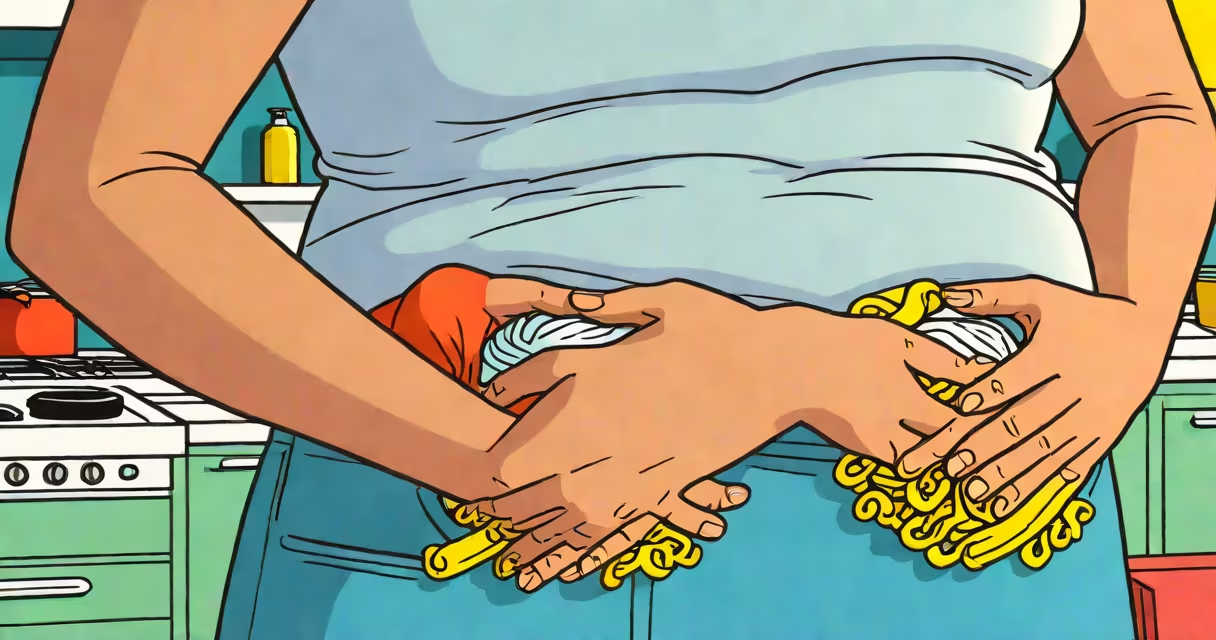
Why when I eat my stomach hurts typically results from irritation of the stomach lining, excess acid production, or undigested food triggering muscle spasms. This pain usually occurs within 15 to 60 minutes after eating and may feel sharp, burning, or dull.
The sensation arises when the stomach's protective mucus layer is compromised or when gastric acid backs up into the esophagus. Common culprits include spicy foods, alcohol, caffeine, and high-fat meals. Persistent pain after eating warrants evaluation by a gastroenterologist to rule out conditions like peptic ulcers or gastritis.
According to the American Gastroenterological Association, approximately 20% of adults report frequent indigestion, with many experiencing pain shortly after meals. The condition is not a standalone diagnosis but a symptom of underlying gastrointestinal dysfunction.
Pain after eating begins when the stomach secretes hydrochloric acid to break down food. Normally, the mucosal lining resists this acidity. But when the lining is damaged or weakened, acid irritates nerve endings, causing pain. This process is known as mucosal injury.
Another mechanism involves delayed gastric emptying. When the stomach takes longer than usual to empty, food sits too long, increasing pressure and stretching the stomach wall. This stretch activates pain receptors, leading to cramping or bloating. Gastroparesis, a disorder affecting nerve signals to the stomach, can cause this delay.
A 2021 study published in *Gut* found that patients with functional dyspepsia-chronic upper abdominal pain without visible structural damage-often have altered gut-brain signaling. Their brains interpret normal stomach movements as painful, even when no inflammation exists.
Several distinct conditions explain why when I eat my stomach hurts. The most frequent are acid-related disorders, food intolerances, and motility issues.
| Condition | Key Symptoms | Trigger Patterns | Prevalence |
|---|---|---|---|
| Gastritis | Burning pain, nausea, bloating | Alcohol, NSAIDs, stress | ~10% of adults |
| Gastroesophageal Reflux Disease (GERD) | Burning behind sternum, regurgitation | Fatty meals, lying down after eating | 20% of U.S. adults |
| Lactose Intolerance | Bloating, gas, diarrhea | Dairy consumption | 65% of global population |
| Irritable Bowel Syndrome (IBS) | Cramping, alternating constipation/diarrhea | High-FODMAP foods | 10-15% of people |
GERD and gastritis are the most common reasons for upper stomach pain after eating. GERD causes acid to flow backward into the esophagus, often producing a burning sensation that starts during or right after a meal. Gastritis involves inflammation of the stomach lining, frequently triggered by nonsteroidal anti-inflammatory drugs (NSAIDs) like ibuprofen or daily alcohol use.
Food intolerances differ from allergies. An allergy causes an immune response; an intolerance results from enzyme deficiencies. For example, lactose intolerance stems from low lactase enzyme levels. Without it, lactose remains undigested in the small intestine, drawing water in and fermenting, which leads to gas and cramps.
Many assume that mild pain after eating is simply indigestion. But persistent or worsening pain may signal a serious issue. Red flags include weight loss, vomiting blood, black stools, or pain that wakes you at night.
One patient I saw in clinic reported upper stomach pain after every meal for six months. He had no history of ulcers. After testing, he was diagnosed with a rare condition called autoimmune gastritis, where the immune system attacks parietal cells in the stomach lining. These cells produce intrinsic factor and hydrochloric acid. Their destruction led to chronic pain and vitamin B12 deficiency.
Another non-obvious distinction: pain from gallstones often appears after fatty meals. The pain is sharp and located under the right rib cage, sometimes radiating to the back. It typically lasts 30 minutes to several hours. This differs from acid-related pain, which tends to be diffuse and burning.
If you're asking why when I eat my stomach hurts, start tracking your meals and symptoms. Note the timing, food type, and intensity of pain. A journal helps identify patterns. For example, if pain consistently follows dairy intake, consider lactose intolerance.
Over-the-counter antacids or H2 blockers may relieve mild acid-related pain. But they don't treat the root cause. If symptoms persist beyond two weeks, consult a healthcare provider. Endoscopy can detect ulcers or inflammation. Breath tests confirm H. pylori infection, a bacterial cause of ulcers.
For immediate relief, try bland foods like boiled rice, bananas, and toast. Avoid spicy, fried, or acidic items. A 2022 review in *Nutrients* confirmed that the BRAT diet (bananas, rice, applesauce, toast) reduces gastrointestinal irritation in 70% of cases with mild upset.
Why when I eat my stomach hurts is rarely a single issue. It's often a combination of diet, lifestyle, and biological factors. Identifying the trigger allows targeted management. Ignoring recurring pain increases risk of complications like ulcers or Barrett's esophagus, a precancerous change in the esophagus linked to chronic GERD.