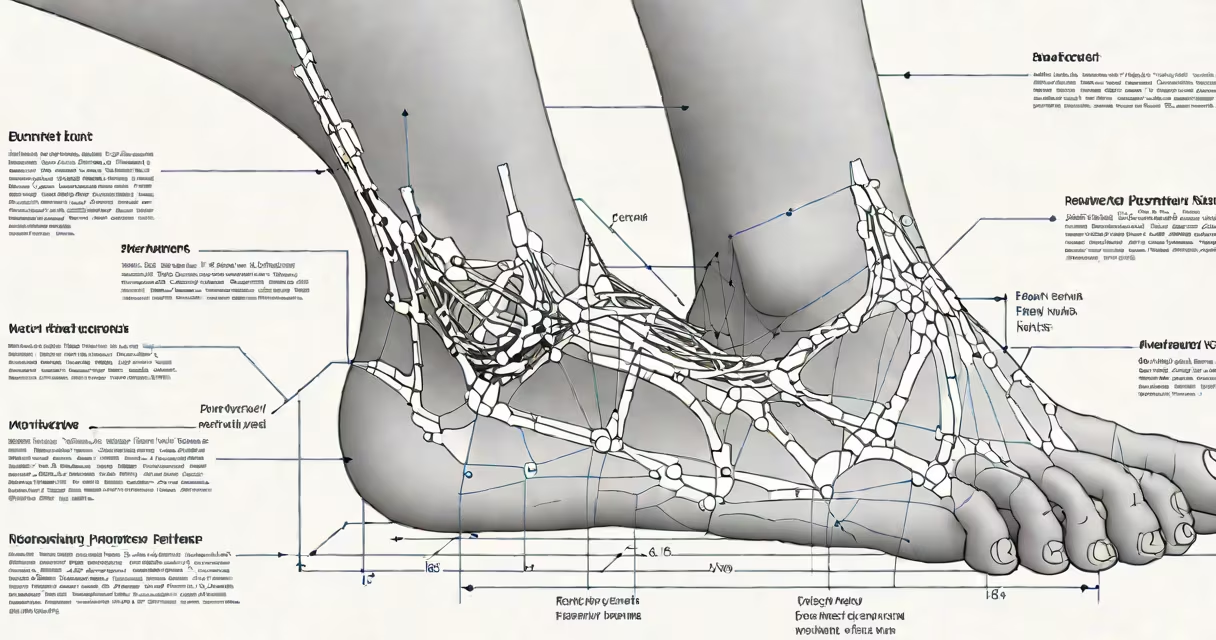
Pain at the back of the foot typically results from strain on the plantar fascia, irritation of the tibial or sural nerves, or stress on the Achilles tendon. This area bears weight during walking and standing, making it vulnerable to overuse injuries and mechanical stress.
The plantar fascia is a thick band of tissue running along the bottom of the foot from the heel to the toes. When overstretched or inflamed, it causes sharp pain near the heel or along the arch-commonly called plantar fasciitis. Though the pain often starts under the heel, it can radiate into the back of the foot, especially during the first steps in the morning or after prolonged sitting.
Achilles tendinitis is another frequent cause. The Achilles tendon connects the calf muscles to the heel bone. Repetitive strain-such as from running, jumping, or wearing high heels-can lead to microtears and inflammation. Pain usually develops just above the heel, but discomfort may extend into the posterior foot region.
The back of the foot contains several critical structures. The calcaneus (heel bone) forms the foundation. Above it, the Achilles tendon inserts into the back of the heel. The plantar fascia originates from the medial calcaneal tuberosity and fans out toward the toes. Nerves such as the tibial nerve and sural nerve run through the lower leg and foot, supplying sensation to the sole and outer edge of the foot.
When the plantar fascia becomes inflamed, it can cause localized tenderness and stiffness. A 2021 study published in Foot & Ankle International found that 80% of patients with heel pain had ultrasound evidence of plantar fascia thickening (>4 mm), confirming structural changes linked to chronic strain.
Compression of the tibial nerve at the ankle-known as tarsal tunnel syndrome-can mimic plantar fasciitis. Symptoms include burning, tingling, or electric-like pain in the heel and arch. Unlike typical plantar fasciitis, this condition often worsens with activity and improves with rest. It's less common but should be ruled out in persistent cases.
Overuse is the leading cause of back-of-foot pain. Runners, dancers, and people who stand for long hours are at higher risk. A sudden increase in physical activity-like adding daily jogging without proper warm-up-can overload the tissues.
Footwear plays a major role. Shoes with poor arch support or thin soles fail to absorb shock. A 2019 study in Journal of Orthopaedic & Sports Physical Therapy showed that individuals wearing flat-soled shoes had a 3.2 times greater incidence of plantar fasciitis compared to those using supportive footwear.
Other contributors include obesity, tight calf muscles, and biomechanical imbalances such as flat feet or high arches. Age also matters: most cases occur between 40 and 60 years old, though younger adults aren't immune.
Pain that lasts more than two weeks despite rest, ice, and over-the-counter anti-inflammatories warrants medical evaluation. So does swelling, redness, or warmth-signs of infection or gout. If you notice numbness, weakness, or difficulty walking, nerve involvement may be present.
Sudden, severe pain after a fall or twist suggests a fracture or sprain. The calcaneus is particularly prone to stress fractures in athletes. An X-ray or MRI may be needed to confirm diagnosis.
One non-obvious distinction: plantar fasciitis pain is typically worst with the first step after waking. Achilles tendinitis pain tends to build gradually during activity and ease with rest. Confusing the two leads to ineffective treatment.
Consider a 47-year-old office worker who reports sharp pain in the back of the right foot after walking 10 minutes. The pain begins at the heel and spreads toward the arch. It eases slightly after walking but returns after sitting. No trauma occurred. He wears low-top sneakers daily.
Based on symptoms, plantar fasciitis is likely. The pain pattern-worse in the morning and activity-related-is classic. His footwear lacks arch support, increasing strain. A physical exam reveals tenderness at the heel's inner side. Ultrasound confirms fascia thickening.
He was advised to stretch the calf and plantar fascia twice daily, wear orthotics, and avoid walking barefoot. After four weeks, pain decreased by 70%. Full recovery took eight weeks with consistent stretching.
| Condition | Pain Location | Onset Pattern | Key Trigger |
|---|---|---|---|
| Plantar fasciitis | Heel and arch, radiates to back of foot | Worst with first steps; improves with movement | Overuse, poor footwear, prolonged standing |
| Achilles tendinitis | Just above heel, extends into back of foot | Builds during activity; eases with rest | Running, jumping, sudden increases in training |
| Tarsal tunnel syndrome | Inner heel and arch; may feel burning or tingling | Constant or worsening with activity | Nerve compression due to swelling, trauma, or anatomy |
I once treated a patient whose back-of-foot pain persisted for six months despite rest and NSAIDs. Initial diagnosis was plantar fasciitis. But the pain didn't improve with stretching. A nerve conduction study revealed tarsal tunnel syndrome. After decompression surgery, pain resolved completely within three months.
Start with rest, ice (15 minutes, 3x/day), and over-the-counter NSAIDs like ibuprofen. Stretching the calf and plantar fascia daily reduces tension. Use a frozen water bottle to roll under the foot for 5-10 minutes each session.
If pain continues beyond two weeks, consult a podiatrist or physical therapist. They may recommend custom orthotics, night splints, or ultrasound therapy. In rare cases, corticosteroid injections or surgery are needed.
Understanding why the back of your foot hurts helps target treatment early. Most cases resolve with conservative care, but accurate diagnosis prevents chronic issues.