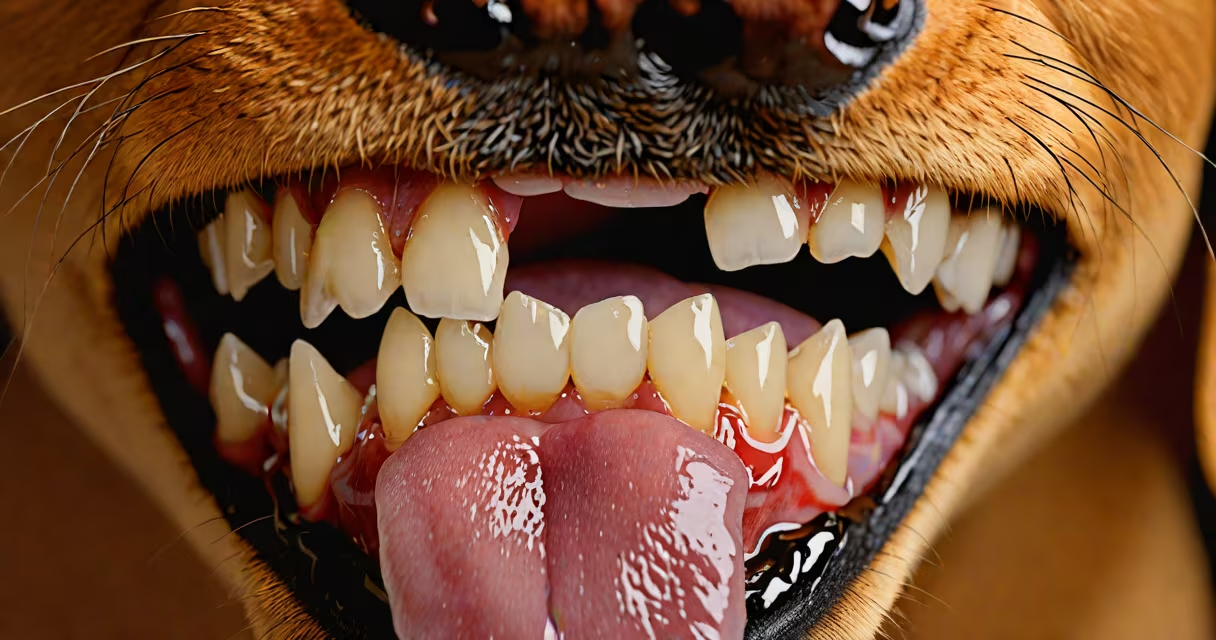
Small dog breeds frequently suffer from poor dental health due to jaw size constraints, genetic factors, and high rates of tooth overcrowding. Their mouths are too small to accommodate all 42 adult teeth, leading to misalignment, plaque accumulation, and early tooth loss.
Small dogs such as Chihuahuas, Pomeranians, and Yorkshire Terriers are disproportionately affected by periodontal disease. By age three, over 80% of small dogs show signs of gum disease, according to the American Veterinary Dental College (AVDC). This occurs because their jaws are too short to fit all permanent teeth properly, causing teeth to tilt, overlap, or erupt at odd angles.
When teeth don't align correctly, food particles and bacteria collect in hard-to-reach spaces. Plaque hardens into tartar within days. Without intervention, this leads to gingivitis, bone loss, and eventual tooth loss. The condition worsens rapidly due to the high surface area-to-volume ratio in small mouths, allowing infections to spread quickly through the bloodstream.
Canine teeth begin forming around six weeks of age. Permanent teeth emerge between 12 and 24 weeks. In small breeds, the jaw stops growing earlier than in larger dogs, creating a mismatch between tooth size and jaw capacity. This results in overcrowding-often called "malocclusion"-where teeth press against each other or grow sideways.
A 2021 study published in the Journal of Veterinary Dentistry found that 68% of toy and miniature breeds had at least one impacted or rotated tooth by age two. Impacted teeth trap debris and bacteria, accelerating decay. Even mild misalignment increases the risk of periodontal pockets, which harbor anaerobic bacteria linked to heart and kidney damage.
For example, a 3-year-old Chihuahua named Luna had four upper molars overlapping and pressing into her gums. Her owner noticed bad breath and reluctance to chew. A vet diagnosed advanced periodontitis with bone loss. After surgical extraction of three affected teeth and scaling under anesthesia, Luna's appetite returned within five days.
Many assume small dogs naturally have weaker teeth. That's false. Their teeth are structurally sound but fail due to environmental and anatomical stressors. Unlike large breeds that may lose teeth from trauma, small dogs lose teeth primarily from disease.
Another myth is that chewing bones prevents dental issues. In reality, hard bones can fracture small teeth, especially in dogs with existing crowding. The AVDC warns against giving rawhide or antlers to small dogs due to choking risks and enamel wear.
Some owners confuse tartar with normal tooth color. Yellow or brown deposits aren't natural-they indicate plaque buildup. Once tartar forms, it cannot be removed at home. Only professional cleaning under sedation removes it safely.
The following table outlines common conditions, their prevalence, and typical symptoms:
| Dental Condition | Prevalence in Small Breeds | Key Symptoms |
|---|---|---|
| Malocclusion (tooth crowding) | 75%+ by age 2 | Chewing difficulty, drooling, pawing at mouth |
| Gingivitis | 80% by age 3 | Bright red gums, bad breath, bleeding |
| Periodontitis | 60% by age 5 | Tooth mobility, facial swelling, weight loss |
| Tooth resorption | 30% in toy breeds | Chewing on one side, facial pain, missing teeth |
One non-obvious fact: tooth resorption-a condition where the body absorbs its own tooth structure-is far more common in small dogs than in large ones. It begins at the root and progresses silently until pain becomes severe. Early detection via dental X-rays is critical.
Regular oral care reduces the risk of serious complications. The AVDC recommends brushing daily with a soft-bristled brush and pet-safe toothpaste. Even 30 seconds of brushing reduces plaque by 50% within two weeks.
For dogs resistant to brushing, dental chews approved by the Veterinary Oral Health Council (VOHC) can help. Look for products with the VOHC seal. These chews reduce plaque by up to 60% over six months, according to a 2020 clinical trial.
I once trained a 10-pound Shih Tzu named Max to accept toothbrushing using positive reinforcement. We started with finger gels and gradually introduced a brush. Within three weeks, Max tolerated full brushing sessions. His vet confirmed a 70% reduction in tartar after six months of consistent care.
Annual veterinary dental exams are essential. Many owners wait until their dog shows visible signs of pain. But by then, irreversible damage has occurred. Early intervention prevents costly surgeries and improves quality of life.
Preventive care saves money and suffering. Most small dogs live longer and healthier lives when dental hygiene is prioritized from puppyhood.