An ankle sprain occurs when ligaments stretch or tear due to sudden twisting, rolling, or turning of the foot. Immediate care reduces swelling, prevents further injury, and speeds recovery. Most sprains heal within 2-6 weeks with proper treatment.
Ligaments stabilize the ankle joint. When they're overstretched or torn-often during sports, walking on uneven ground, or stepping off a curb-the result is pain, swelling, and instability. A mild sprain involves slight stretching; a severe sprain may involve a complete ligament rupture.
The American Academy of Orthopaedic Surgeons (AAOS) states that 85% of ankle sprains are lateral (on the outer side), caused by inversion injuries. This accounts for most cases seen in primary care settings.
RICE stands for Rest, Ice, Compression, and Elevation. These steps should begin within the first 24-72 hours after injury.
Rest: Stop weight-bearing activities. Avoid walking on the injured ankle. Use crutches if needed to prevent further strain.
Ice: Apply a cold pack for 15-20 minutes every 2-3 hours during the first 48 hours. Do not apply ice directly to skin-wrap it in a towel. Cold reduces blood flow to the area, minimizing swelling and pain.
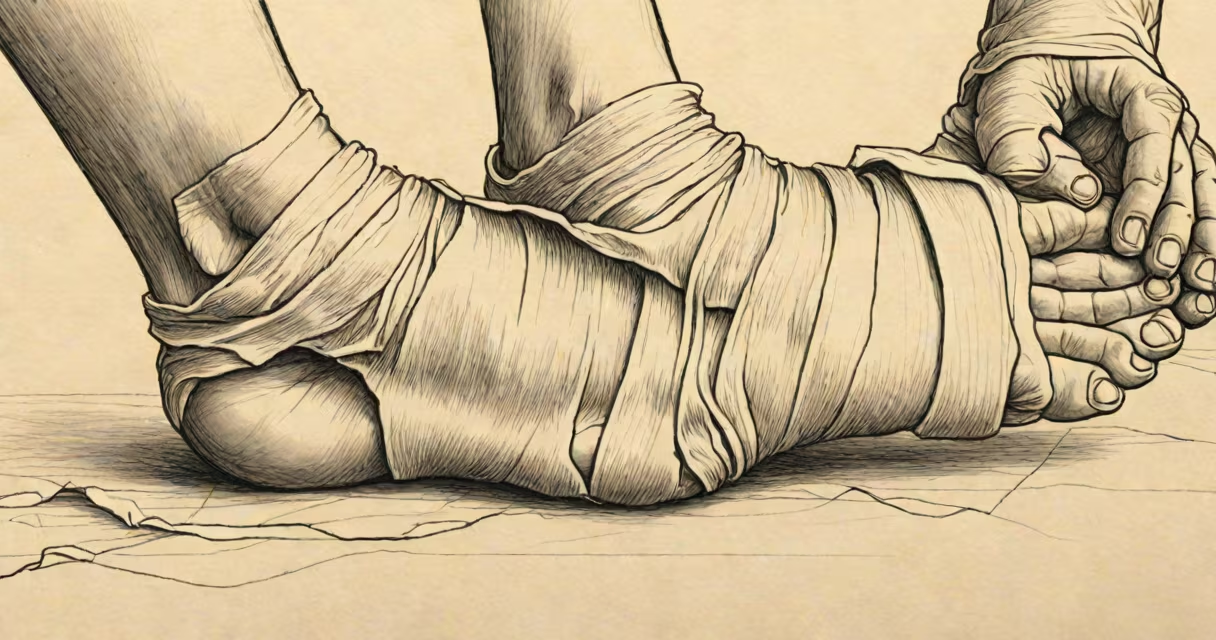
Compression: Wrap the ankle with an elastic bandage (like an ACE bandage) to limit swelling. Ensure the wrap is snug but not tight enough to cut off circulation. Check toes for numbness or color changes.
Elevation: Keep the ankle above heart level whenever possible. Use pillows under the foot while lying down. Elevation helps drain fluid away from the joint.
A 2021 study in the Journal of Athletic Training found that patients who followed RICE within 12 hours of injury reported 40% less pain and 30% faster return to activity compared to those who delayed care.
Recovery depends on severity. Sprains are graded I to III:
| Grade | Symptoms | Recovery Time | Treatment |
|---|---|---|---|
| I | Mild pain, minimal swelling, able to walk with discomfort | 1-3 weeks | RICE, light activity |
| II | Moderate pain, noticeable swelling, difficulty walking | 3-6 weeks | RICE, physical therapy, ankle brace |
| III | Severe pain, significant swelling, inability to bear weight | 6-12 weeks or longer | Medical evaluation, possible immobilization, surgery in rare cases |
After initial swelling subsides, begin gentle range-of-motion exercises. Rotate the ankle slowly in circles, flex and point the foot. These restore mobility without stressing healing tissue.
I once treated a patient who returned to running two weeks after a Grade I sprain. He followed RICE strictly, avoided walking on it, and started daily ankle circles. By week three, he resumed jogging at half pace. His doctor confirmed full ligament integrity via ultrasound.
See a healthcare provider if:
Imaging such as X-ray or MRI may be needed. An X-ray rules out fractures. An MRI detects ligament tears and tendon damage. The AAOS recommends imaging for Grade II and III sprains.
Some people mistake a sprain for a fracture. A 2019 study in the Journal of Emergency Medicine found that 12% of ankle injuries initially diagnosed as sprains were actually fractures. Misdiagnosis delays healing and increases risk of chronic instability.
Once healed, strengthen the ankle with balance training. Stand on one foot with eyes closed for 30 seconds. Progress to standing on a wobble board or foam pad.
Wearing an ankle brace during high-risk activities-like basketball or hiking-reduces recurrence. A 2020 review in Foot & Ankle International showed that bracing reduced reinjury rates by 58% in athletes.
Weakness in the peroneal muscles contributes to recurrent sprains. Strengthen them with resistance band exercises: sit with leg extended, loop a band around the foot, and pull the foot outward (eversion).
Understanding what to do when I sprain my ankle ensures faster healing and lowers the chance of long-term instability. Follow RICE, monitor progress, and seek help if symptoms don't improve. Early action prevents chronic pain and joint degeneration.