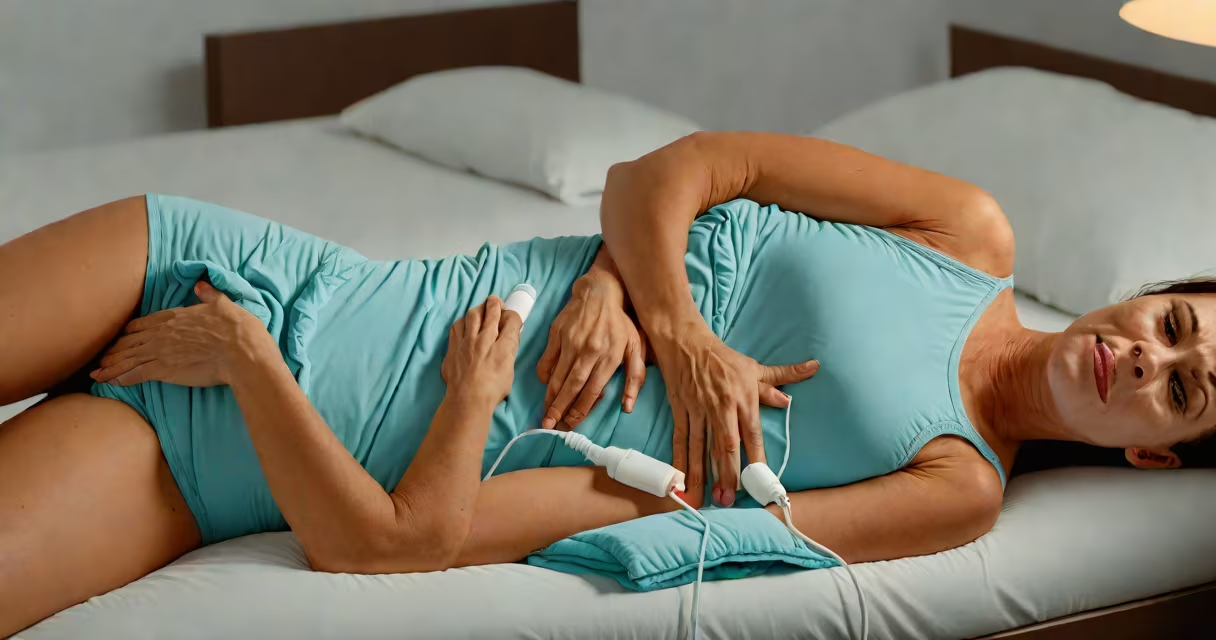
Bad cramps-intense, often debilitating pelvic pain during menstruation-are caused by prostaglandins released during uterine contractions. They can disrupt daily activities and may signal underlying conditions requiring medical attention. Immediate relief strategies include heat application, NSAIDs, and rest.
Cramps originate in the uterus when prostaglandins trigger muscle contractions to expel the lining. High levels of these hormone-like substances lead to stronger contractions, reducing blood flow and causing pain. This process is normal in many people, but severity varies widely. For some, cramps interfere with work, school, or social life.
The American College of Obstetricians and Gynecologists (ACOG) states that primary dysmenorrhea-cramps without an identifiable cause-is common in adolescents and young adults. Secondary dysmenorrhea, linked to conditions like endometriosis or fibroids, typically develops later and worsens over time. Identifying the type helps determine appropriate treatment.
Heat therapy reduces muscle tension and improves blood flow. Applying a heating pad or warm compress to the lower abdomen lowers pain intensity by up to 30%, according to a 2018 study in the journal *Pain Medicine*. Use a low-to-moderate setting for 15-20 minutes, several times a day.
Nonsteroidal anti-inflammatory drugs (NSAIDs) such as ibuprofen or naproxen are first-line treatments. They inhibit prostaglandin synthesis, reducing both inflammation and contraction strength. A 2020 review in *The Cochrane Database of Systematic Reviews* found NSAIDs reduce menstrual pain compared to placebo, especially when taken at the onset of symptoms.
For best results, take NSAIDs 1-2 days before expected cramp onset. Doses of 400 mg ibuprofen every 6 hours (up to 1200 mg/day) are effective for most. Avoid aspirin due to increased bleeding risk.
Diet and exercise influence cramp frequency and intensity. A 2021 study in *Nutrients* linked higher intake of omega-3 fatty acids (found in fatty fish, flaxseed, chia seeds) with reduced menstrual pain. Conversely, high saturated fat and sugar consumption correlate with increased discomfort.
Regular aerobic activity-such as walking, swimming, or cycling-lowers prostaglandin levels over time. The National Institutes of Health reports that people who exercise 3-4 times weekly report 25% less severe cramping than sedentary peers.
Stress exacerbates pain perception. Mind-body techniques like diaphragmatic breathing, progressive muscle relaxation, and mindfulness meditation have shown measurable reductions in pain scores in clinical trials. One 2019 trial found participants using guided meditation reported 40% less pain after four weeks.
Bad cramps that disrupt routine despite over-the-counter treatment may indicate secondary dysmenorrhea. Red flags include worsening pain over time, pain lasting beyond the period, or pain during sex or bowel movements.
Endometriosis-a condition where tissue similar to the uterine lining grows outside the uterus-causes severe cramping in 10% of reproductive-age individuals. It's often underdiagnosed; average diagnosis takes 7-10 years from symptom onset. Early intervention prevents scarring and infertility.
Fibroids-noncancerous uterine growths-can also cause heavy bleeding and intense cramping. Ultrasound imaging confirms their presence. If cramps persist past age 30 or occur irregularly, consult a gynecologist.
Many assume cramps are "just part of being a woman." This belief delays care. ACOG emphasizes that pain should not be normalized. Severe cramps are not a sign of weakness or poor resilience.
Another myth is that birth control pills eliminate cramps entirely. While they reduce prostaglandin production and regulate cycles, they don't erase pain in everyone. Some users still experience breakthrough cramping, especially in the first few months.
Some people avoid NSAIDs due to fears of stomach ulcers. However, short-term use at recommended doses poses minimal risk for healthy individuals. Taking with food or using enteric-coated formulations further reduces gastrointestinal side effects.
Sarah, 24, experienced severe cramps that forced her to leave work early twice in one month. She tried heating pads and ibuprofen but saw only partial relief. Her pain lasted five days, extended into the next cycle, and worsened with movement.
She consulted a gynecologist. An ultrasound revealed multiple small fibroids. After starting a combined oral contraceptive and beginning a 30-minute daily walk routine, her cramps decreased by 60% within six weeks. She now uses a heating pad preemptively and takes ibuprofen at the first sign of pain.
This case illustrates that persistent cramps require more than home remedies. Medical evaluation identifies treatable causes.
| Method | Effectiveness | Best Use Case |
|---|---|---|
| NSAIDs (e.g., ibuprofen) | High - reduces pain by 50-70% | Onset of cramps, moderate to severe pain |
| Heat therapy | Moderate - relieves tension and improves circulation | Continuous discomfort, mild to moderate pain |
| Regular aerobic exercise | Low to moderate - long-term reduction in pain frequency | Prevention, ongoing management |
| Birth control pills | High - regulates cycles and reduces prostaglandins | Chronic cramps, irregular periods |